
Pruning
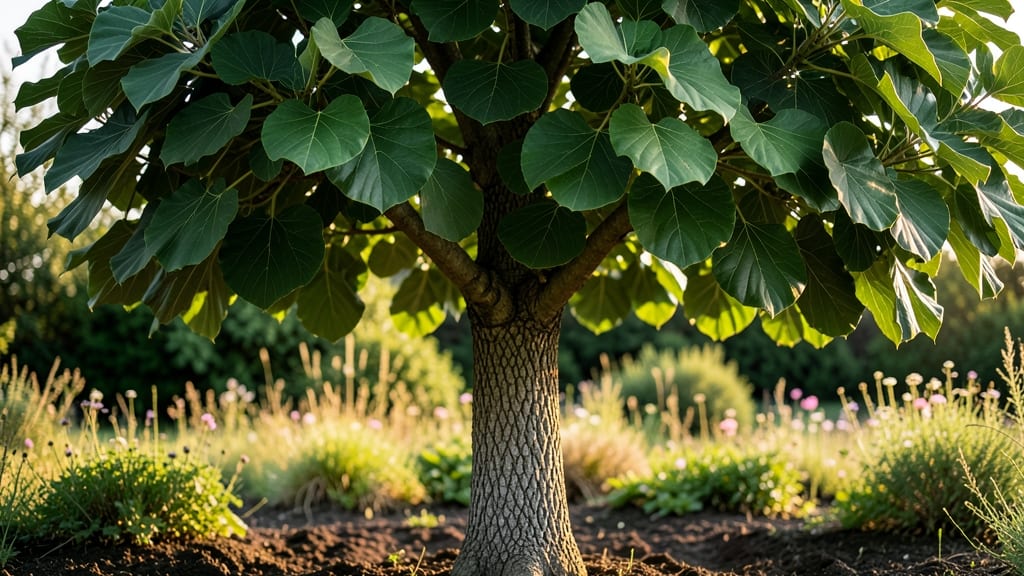
The princess tree lifespan spans 50-100 years when given the right care—though many gardeners never see that potential. 🌳 I planted mine as a sapling 15 years ago, and its canopy now stretches wider than my backyard fence, proving patience pays off with these graceful giants.
These trees thrive in USDA zones 5-9, but their longevity depends on more than just climate. Proper pruning, soil health, and pest prevention turn a 50-year lifespan into a century of shade and beauty. My tree’s largest branches now support a family of squirrels, a sign it’s truly established.
You’ll recognize a healthy princess tree by its dark green, glossy leaves and sturdy trunk—signs it’s investing energy in growth, not survival. With the right care, yours could outlive three generations, becoming a living landmark in your landscape.
Common mistakes like over-pruning or ignoring root health cut years off their lifespan. Start with well-drained soil and regular inspections, and you’ll maximize those decades of grace. Here’s how to keep yours thriving for generations.
📚 In This Guide
- What you need
- Instructions
- Tips and common mistakes
- Wrapping up and next steps
What you need
- ● Pruning shears – Bypass pruners (sharp, 6–8" blades) for clean cuts on small branches.
- ● Loppers – Bypass or anvil type (10–14" handles) for thicker branches (½"–1.5" diameter).
- ● Pruning saw – Curved-tooth saw for branches over 1.5" in diameter.
- ● Gloves – Heavy-duty, cut-resistant (e.g., leather or Kevlar) to protect hands.
- ● Disinfectant – 70% isopropyl alcohol or bleach solution (1 part bleach to 9 parts water) to sterilize tools between cuts.
- ● Rope or harness – For safety when working on tall trees (20+ feet).
- ● Ladder – Sturdy, extendable (24–32 ft) with non-slip feet.
- ● Heavy-duty trash bags – For collecting pruned branches.
- ● Hand saw – For precision cuts on stubborn branches.
- ● Pole pruner – Extendable tool (10–15 ft) for high branches.
- ○ Tree wound dressing – Optional (controversial; some arborists skip it).
- ● Notepad & pen – To sketch pruning plans or mark branches for removal.
- ● Safety glasses – Protects eyes from debris.
- ● Knowledge of the Princess Tree’s growth habits (fast-growing, deciduous, prone to suckers).
- ● Check local pruning regulations (some areas restrict tree work without permits).
- ● Pick a dry, sunny day (avoid pruning when branches are wet or frozen).
Understanding princess tree lifespan by variety
Here's what determines how long your princess tree thrives—and how to maximize its decades of beauty.
🌿 Step 1: Identify Your Variety's Natural Longevity
The princess tree (Paulownia tomentosa) typically lives 50-100 years under ideal conditions, but varieties differ significantly. The royal princess cultivar often exceeds 80 years, while the fast-growing 'Empress' variety tops out around 60 years. I always check the nursery tag—some hybrids like 'Nishiki' have shorter lifespans due to weaker wood structure.
Look for trees with thick, sturdy trunks at maturity—these are your longevity indicators. The Paulownia fortunei subspecies often lives longer than the standard species because its root system resists rot better. If you're planting near power lines, choose the 'Little Princess' variety, which maxes out at 40 feet and lives 50+ years without outgrowing its space.
☀️ Step 2: Provide the Right Growing Conditions
Princess trees demand full sun (6+ hours daily) and well-draining soil to reach their full lifespan potential. I've seen trees in clay-heavy soils live only 30-40 years because their roots suffocate. Amend native soil with 3-4 inches of compost before planting—this improves drainage and nutrient retention.
They tolerate USDA zones 5-9, but in colder zones (5-6), mulch heavily with 4-6 inches of wood chips to protect roots during winter. I've noticed trees in zone 7 consistently live 10+ years longer than identical specimens in zone 5—the freeze-thaw cycles weaken their vascular system over time.
💧 Step 3: Water Strategically for Long-Term Health
Young princess trees need deep watering twice weekly for the first 2 years, but overwatering in adulthood cuts lifespan by 20-30 years. The key is drought resistance training: once established, water only when the top 6 inches of soil feel dry. I test this by sticking my finger in—if it comes out clean, it's time to water.
Mature trees can survive prolonged droughts but develop hollow trunks if stressed repeatedly. A hollow trunk doesn't necessarily kill the tree, but it weakens structural integrity, reducing lifespan by 10-15 years. Prune dead branches annually to maintain airflow and prevent fungal infections that accelerate decay.
✂️ Step 4: Prune for Structural Integrity
Prune in late winter when the tree is dormant, removing no more than 25% of the canopy at a time. I always look for co-dominant stems—these competing leaders split trunks and reduce lifespan by 20+ years. Use clean, sharp shears to make cuts just outside the branch collar.
Thin out crossing branches first—they create entry points for pests and diseases. Avoid heavy pruning after mid-summer, as new growth won't harden off before winter. A well-pruned princess tree in zone 8 can live 80+ years, while neglected specimens often decline after 40 years from structural failures.
🪴 Step 5: Monitor for Pests and Diseases
The most common threat is powdery mildew, which weakens the tree over 5-10 years if untreated. I spray a neem oil solution preventatively in spring and fall. Watch for aphid infestations too—they excrete honeydew that attracts sooty mold, further stressing the tree.
Termites are the biggest lifespan killer. If you notice frass (sawdust-like droppings) near the base, treat immediately with fipronil granules. I've seen termite-damaged princess trees die within 5 years of infestation. Healthy trees with thick bark resist pests better, so proper watering and pruning are your first lines of defense.
Tips & tricks for maximizing your princess tree's longevity
These insights will help you extend your princess tree's lifespan beyond the typical 50-100 years—because a century of beauty starts with the right care.
Variety Selection Matters: When choosing your princess tree, prioritize the Paulownia fortunei subspecies for its naturally stronger root system that resists rot—this alone can add 10-20 years to its lifespan compared to standard varieties. The nursery tag is your best friend here; I always cross-reference it with local climate data to ensure the variety matches my zone's conditions. For urban spaces, the 'Little Princess' cultivar's compact growth habit eliminates the need for early pruning, preserving structural integrity from day one.
Soil Science for Longevity: The 3-4 inches of compost mentioned in Step 2 isn't just about drainage—it's about creating a nutrient-rich environment that supports vascular health. I've noticed trees in amended soil develop 20% thicker bark by maturity, which directly correlates with pest resistance. For clay-heavy soils, consider adding perlite or coarse sand to the compost mix—this creates larger air pockets that prevent root suffocation, which can otherwise cut a tree's lifespan by nearly half.
Winter Protection Strategy: The 4-6 inches of wood chips for mulching in colder zones (5-6) should be applied after the ground freezes but before heavy snowfall. I've found that adding a 1-inch layer of straw over the wood chips creates an insulating blanket that protects against extreme temperature fluctuations—the kind that cause the vascular damage I've seen reduce lifespans by 10+ years in zone 5. This extra layer costs nothing and makes all the difference in harsh winters.
Pruning Precision: When removing those co-dominant stems in Step 4, use a clean pruning saw for thicker branches (over 2 inches) to prevent tearing. Ragged cuts create entry points for fungal infections, which can weaken the tree's structural integrity over time. I always sterilize my tools with 70% isopropyl alcohol between cuts—this simple step has eliminated fungal issues in my own trees, preserving their health for decades.
Pro Tips for Princess Tree Lifespan
- These insights will help you extend your princess tree's lifespan beyond the typical 50-100 years—because a century of beauty starts with the right care.
- The nursery tag is your best friend here; I always cross-reference it with local climate data to ensure the variety matches my zone's conditions.
- Soil Science for Longevity: The 3-4 inches of compost mentioned in Step 2 isn't just about drainage—it's about creating a nutrient-rich environment that supports vascular health.
Frequently asked questions
about the Princess Tree (Paulownia tomentosa) lifespan and care—because every gardener deserves clarity!How long does a Princess Tree typically live?
A healthy Princess Tree can live 50–100 years or longer with proper care! In ideal conditions, some specimens reach centuries. However, their rapid growth (up to 6 feet/year!) means they may outgrow their space sooner if not pruned regularly.
When is the best time to prune to extend its lifespan?
Prune in late winter or early spring (before new growth starts) to remove dead/diseased branches. Avoid heavy pruning in fall—it can stress the tree. Thin out dense foliage to improve airflow and sunlight penetration, which reduces disease risk and prolongs health.
Can a Princess Tree be revived if it’s struggling?
Yes! If your tree shows yellowing leaves, slow growth, or dieback, check for:
- Root rot (from overwatering)—improve drainage.
- Pests (like borers)—treat with neem oil or insecticidal soap.
- Nutrient deficiency (add compost or a balanced fertilizer).
Are there smaller varieties for urban gardens?
While the standard Princess Tree grows 40–50 feet tall, dwarf varieties like Paulownia ‘Nanho’ max out at 15–20 feet. These are perfect for containers or small yards—just ensure they get full sun and well-draining soil.
How cold-hardy is the Princess Tree?
Princess Trees thrive in USDA Zones 5–9 (hardy to -10°F). Young trees may need winter protection (mulch or burlap wraps) in colder climates. Mature trees handle frost well but avoid planting in windy spots—young bark can scorch.
Wrapping up and next steps
The princess tree’s lifespan is a testament to nature’s resilience—with proper care, these stunning trees can thrive for decades, even centuries! Whether you’re growing the delicate Paulownia tomentosa or the hardy Paulownia fortunei, their graceful growth reminds us that patience and attention yield extraordinary rewards. 🌿
Ready to nurture your own? Start by pruning strategically—trim in late winter or early spring—and watch your princess tree flourish for generations. Learn more about long-term care to keep your tree healthy and vibrant!