
Leaf Blower
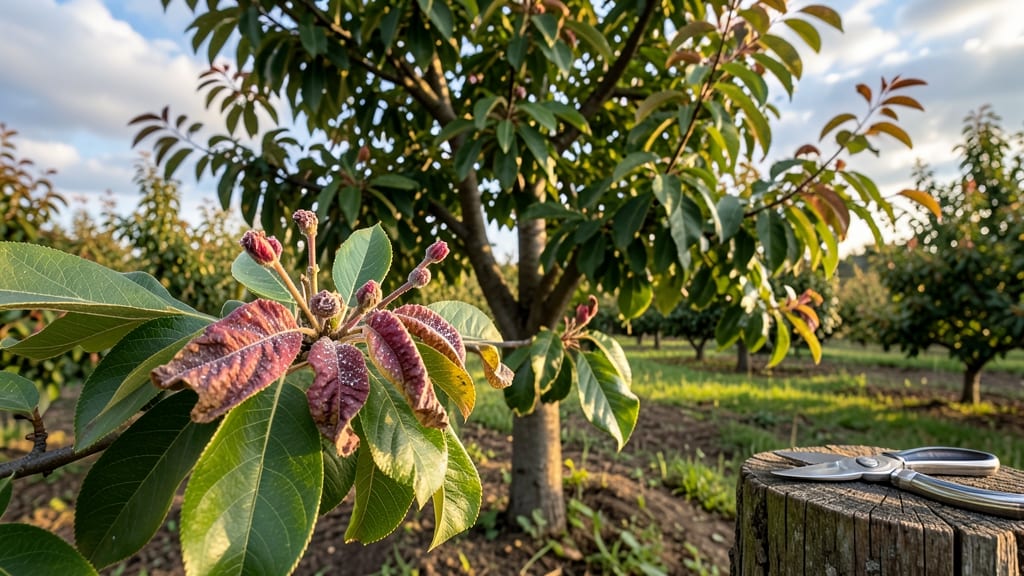
Your peach tree’s problems with leaf curl aren’t just ugly—they’re a fungal warning sign. 🌿 I’ve battled peach leaf curl for years, and the organic spray fix I’ve perfected stops the spread without harsh chemicals. The key? Timing, copper spray, and a little elbow grease before the buds even swell.
This disease thrives in wet springs, turning new growth into gnarled, useless messes. Most gardeners panic and grab fungicides, but the real solution is prevention: a copper-based spray applied at dormant season (late winter/early spring) and again after petal fall.
I’ve seen trees go from hopeless to healthy in just one season with this method.
You’ll prune out the worst damage, then watch fresh, smooth leaves emerge by late spring. The trees fruit just as heavily, and the spray won’t harm bees or your soil. Best of all? It works in humid climates where leaf curl runs rampant.
If your tree is past saving, an arborist can help—but most cases respond to this simple routine. Here’s exactly how to do it right, step by step.
Root Causes Of Leaf Curl
Understanding why your peach tree develops leaf curl is the first step toward treating it effectively. This frustrating fungal disease—caused by Taphrina deformans—disrupts your tree’s growth and fruit production. Below, we break down the key triggers behind leaf curl, so you can address them like a pro.
🌱 What’s happening? Leaf curl is 100% fungal, spread by microscopic spores from Taphrina deformans. These spores lurk in infected leaves, buds, or even the soil, waiting for the right conditions to strike.
When they infect new tissue, they trigger abnormal cell growth, causing leaves to thicken, curl, and distort.
🔬 Science behind it: The fungus overwinters in infected buds or fallen leaves. In early spring, as temperatures rise (typically 40–60°F), the spores germinate and infect fresh peach tree growth. Once inside, the fungus hijacks the tree’s metabolism, producing abnormal proteins that warp leaf structure.
💡 Pro Tip:
- Remove and destroy infected leaves and fruit in fall/winter to starve the fungus.
- Avoid overhead watering—wet foliage spreads spores faster.
☀️ What’s happening? Leaf curl thrives in moist, mild climates with high humidity. While the fungus can survive dry spells, outbreaks explode when:
- Spring rains follow a cold winter (spores activate).
- Slow-draining soil keeps leaves damp for long periods.
- High humidity (above 70%) without airflow.
📊 Perfect storm factors:
| Factor | Risk Level | Why It Matters |
|---|---|---|
| Temperature | 40–60°F | Spores germinate best in cool, damp air. |
| Humidity | >70% | Fungal growth accelerates in soggy conditions. |
| Rainfall | Frequent spring showers | Washes spores onto new leaves. |
| Poor Airflow | Dense canopies | Traps moisture, prolonging infection. |
🌡️ Pro Tip:
- Prune for airflow—thin branches to reduce humidity buildup.
- Water at the base (not overhead) to keep leaves dry.
🛡️ What’s happening? A healthy peach tree fights off leaf curl better, but stress opens the door for infection.
Common weak spots include: - Nutrient deficiencies (especially zinc, nitrogen, or potassium). - Physical damage (hail, frost, or pest wounds). - Root stress (compacted soil, drought, or poor drainage). - Over-fertilization (burns roots, reducing resilience).
💪 How it works: When a tree is stressed, its cuticle (protective leaf layer) weakens, making it easier for spores to penetrate. Additionally, poor nutrition slows cell repair, letting the fungus take hold faster.
✨ Pro Tip:
- Test soil pH (ideal: 6.0–6.5 for peach trees).
- Apply balanced fertilizer (10-10-10) in early spring before bud break.
🌿 What’s happening? Some peach tree varieties are naturally more resistant to leaf curl, while others are sitting ducks.
Even if you’ve treated past infections, dormant spores can persist in: - Infected buds (overwintering sites). - Old wood (fungus can hide in bark crevices). - Nearby wild hosts (like plums or cherries).
🔄 How it spreads:
- Grafted trees (if the rootstock is susceptible).
- Infected nursery stock (buy from reputable growers).
- Wind or rain splashing spores onto healthy trees.
🎯 Pro Tip:
- Choose resistant cultivars (e.g., ‘Redhaven’, ‘Elberta’).
- Solarize soil (cover with plastic in summer to kill dormant spores).
🍄 What’s happening? Even the best organic sprays fail if applied too late or too early. Leaf curl spores activate as buds swell (just before bloom), so timing is critical.
⏰ Critical windows:
- Pre-bloom (green tip stage) – Most effective for preventing infection.
- Post-bloom (if missed) – Less effective but still helpful for new growth.
- Never after leaf curl appears – The damage is already done!
🔥 Pro Tip:
- Apply copper fungicide (organic-approved) 2–3 times in early spring.
- Reapply after rain (sprays wash off in 7–10 days).
Final Note: Leaf curl won’t vanish overnight, but cutting off its food (infected leaves) and water (excess moisture) + strengthening your tree’s defenses will turn the tide. Stay vigilant—early action is your best weapon! 🚀
Practical fixes for peach tree leaf curl
Peach tree leaf curl can feel like a stubborn opponent, but with the right approach, you can restore your tree’s health and prevent future outbreaks. Below are targeted solutions for each common cause of leaf curl, from quick fixes to long-term prevention strategies.
Whether your tree is battling fungal infections, environmental stress, or pest damage, these steps will help you turn things around—organically and effectively.
Fungal leaf curl (often caused by Taphrina deformans) thrives in damp, cool conditions. Here’s how to tackle it:
🔥 Step 1: Prune Infected Branches
- Remove all curled, distorted, or discolored leaves and twigs before new growth starts in early spring.
- Sterilize your pruners with rubbing alcohol or a 10% bleach solution to prevent spreading spores.
- Dispose of pruned material in the trash (not compost)—fungal spores can linger in yard waste.
🍳 Step 2: Apply Organic Fungicides
Use copper-based sprays or neem oil as your first line of defense.
Here’s how: - Copper fungicide (Bordeaux mixture or copper soap): - Mix 1 tbsp copper sulfate + 1 tbsp hydrated lime in 1 gallon of water (for Bordeaux) or use a pre-mixed copper soap spray. - Spray thoroughly on both sides of leaves, branches, and trunk before bud break (late winter/early spring) and again after harvest. - Reapply every 2–4 weeks during wet seasons. - Neem oil (for mild infections): - Mix 1–2 tbsp neem oil + 1 tsp mild soap (as an emulsifier) in 1 gallon of water. - Spray in the early morning or evening (avoid direct sunlight, which can burn leaves). - Repeat every 7–10 days until new growth is healthy.
👨🍳 Step 3: Improve Air Circulation
Fungi love stagnant, humid air. Open up your tree’s canopy by:
- Thinning out dense branches to allow sunlight and airflow.
- Mulching properly: Use 2–4 inches of organic mulch (wood chips, straw) but keep it 6 inches away from the trunk to prevent moisture buildup.
🌡️ Step 4: Adjust Watering Practices
- Water deeply but infrequently—peach trees hate soggy roots.
- Avoid overhead watering (use drip irrigation or soaker hoses) to keep leaves dry.
- Water in the morning so foliage has time to dry before evening humidity sets in.
If your tree’s curl is due to nutrient deficiencies, pests, or weather damage, try these fixes:
💡 Correcting nutrient deficiencies
Leaf curl can mimic fungal symptoms if your tree lacks zinc, nitrogen, or magnesium.
Test your soil and amend with: - Zinc sulfate (for zinc deficiency): Mix 1 tbsp in 1 gallon of water and spray foliarly. - Epsom salt (for magnesium): Dissolve 1 tbsp in 1 gallon of water and apply as a foliar spray or soil drench. - Balanced organic fertilizer (like 10-10-10 or compost tea) in early spring to boost overall health.
🔥 Combating pest damage
Pests like peach tree borers or aphids can weaken trees, making them susceptible to curl.
Act fast: - For borers: - Apply horticultural oil (like dormant oil) in late winter to smother eggs. - Drill holes in infested branches and inject beneficial nematodes or borer-specific bacteria (like Bacillus thuringiensis). - For aphids: - Blast them off with a strong stream of water. - Spray with soapy water (1 tsp mild soap + 1 quart water) or neem oil.
🌡️ Protecting against weather damage
- Windburn or hail? Prune damaged branches and apply anti-transpirant spray (like Wilt-Pruf) to reduce stress.
- Late frosts? Cover young trees with frost cloth in spring to prevent shock-induced curl.
Once your tree recovers, prevent recurrence with these habits:
| Prevention Tip | How to Do It |
|---|---|
| Choose resistant varieties | Plant Elberta, Redhaven, or Reliance (some are less prone to leaf curl). |
| Sanitize tools | Clean pruners with rubbing alcohol between trees to avoid cross-contamination. |
| Monitor humidity | Use a dehumidifier in greenhouses or space trees 15–20 feet apart outdoors. |
| Boost tree vigor | Fertilize annually with compost or balanced organic fertilizer. |
| Dormant season care | Apply copper fungicide in late winter (before buds swell) as insurance. |
If your tree is severely infected (over 50% of branches affected) or you’re dealing with borer infestations, consult an arborist or extension service for advanced treatments like systemic fungicides or professional pruning.
With consistent care and early action, your peach tree can bounce back from leaf curl—and thrive for years to come! 🌿🍑
Frequently asked questions
Can I still harvest fruit from a peach tree with leaf curl?
Yes, but with caution! While leaf curl itself doesn’t make fruit unsafe to eat, severely infected trees may produce smaller or deformed fruit. Focus on removing heavily curled leaves before bloom to protect new growth. Always wash peaches thoroughly before eating, and avoid fruit from branches with thick, leathery leaves.
How do I know if my peach tree has leaf curl or just nutrient deficiency?
Leaf curl creates thick, leathery, curled leaves that often appear reddish-purple on the underside. Nutrient deficiencies (like zinc deficiency) cause small, yellow leaves with interveinal chlorosis that don’t curl. Test your soil and compare symptoms—leaf curl leaves stay curled even when healthy, while deficiency symptoms often improve with fertilization.
Is copper spray safe for bees and other pollinators?
Copper fungicides are generally safe for bees when applied correctly. Apply sprays only when trees aren’t in bloom (before bud break or after harvest) and avoid spraying directly on flowers. Copper doesn’t harm beneficial insects like ladybugs or lacewings, but always follow label instructions for application timing to protect pollinators during active blooming.
Will pruning help if my tree already has curled leaves?
Pruning won’t reverse existing leaf curl, but it’s crucial for recovery. Remove all severely curled leaves and small branches (especially those with thickened, distorted growth) to reduce the fungus’s food source. Focus on thinning the canopy to improve airflow—this helps prevent new infections and lets sunlight reach inner branches for healthier regrowth.
How long does it take to see improvement after treatment?
With proper care, you’ll see noticeable improvement in 4–6 weeks during the growing season. New leaves emerging after treatment should be smooth and green. For best results, combine copper spray applications with pruning and improved airflow. Severe cases may take a full season to show full recovery, but consistent prevention keeps trees healthy long-term.