
Pruning
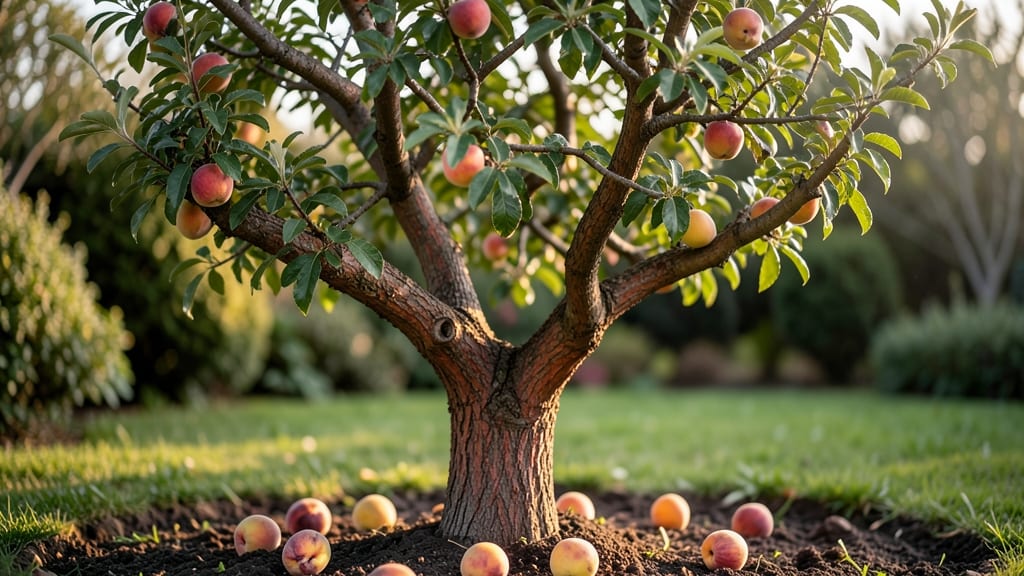
Your peach tree dropping fruit before ripening is one of the most frustrating gardening mysteries—but I’ve cracked the code after years of trial and error. 🌿 The good news? Most causes are fixable with simple adjustments to watering, nutrients, or even the tree’s environment.
What you’re about to learn saved my harvest last summer when I nearly gave up.
The most common culprits are temperature swings (like late frosts or heatwaves), water stress (too much or too little), or nutrient imbalances (especially boron or calcium). I’ve also seen over-thinning fruit (a pruning mistake) or pests like borers weaken branches enough to trigger premature drop.
The key is identifying which issue your tree is facing—because the fix depends entirely on the root cause.
By the end of this guide, you’ll know exactly how to stabilize your tree’s fruit load—whether that means adjusting your irrigation schedule, adding a specific fertilizer, or pruning to improve air circulation.
My peach trees now hold fruit until harvest, and the secret isn’t complicated. Let’s get your tree back on track.
This works for both young trees and mature ones, in home gardens or orchards. The fixes are simple but targeted—no guesswork involved. Here’s how to diagnose and solve the problem step by step.
Root Causes Behind Premature Fruit Drop
Understanding why your peach tree is dropping fruit before it ripens starts with recognizing the environmental, biological, and cultural stressors at play. Below, we break down the most common culprits—each with a clear scientific explanation and actionable insights to address them.
Peach trees are sensitive to sudden temperature shifts, especially during bloom and fruit set (late spring). Extreme heat or cold can disrupt pollination and fruit retention by:
- Heat Stress (Above 90°F/32°C): High temperatures cause abscission (the natural shedding of fruit) due to ethylene gas production—a plant hormone that signals fruit drop when conditions are unfavorable. 🌡️ - Late Frost or Freeze: Frost damages pollen viability or ovary tissue, leading to poor fruit development.
Even a single night below 28°F (-2°C) can kill blossoms. - Rapid Temperature Swings: Large day-night temperature differences (e.g., 80°F/27°C days and 50°F/10°C nights) stress the tree, causing nutrient imbalances and premature drop.
💡 Pro Tip:
- Use frost cloths in late spring if frost is forecasted.
- Mulch heavily to stabilize soil temperature.
- Avoid overhead watering before sunset to prevent nighttime chilling.
Peach trees need consistent moisture—too much or too little water disrupts fruit development and cell division. Key issues include:
- Underwatering: Causes wilting and abscission as the tree prioritizes survival over fruit retention.
Symptoms include leathery, shriveled fruit. - Overwatering: Leads to root suffocation and nutrient leaching, weakening the tree’s ability to support fruit. 💧 - Inconsistent Watering: Fluctuations trigger stress hormones (abscisic acid), signaling the tree to drop fruit.
🔥 Action Steps:
- Deep water 1–2 times per week (1–1.5 inches per session) during dry spells.
- Use drip irrigation to deliver water directly to roots, avoiding waste.
- Check soil moisture with your finger—top 2 inches should be dry before watering again.
Peach trees require balanced nutrients for fruit retention. Deficiencies in key elements trigger premature drop:
| Nutrient | Role in Fruit Retention | Deficiency Signs | Fix |
|---|---|---|---|
| Boron | Cell wall strength, pollen tube growth | Blossom end rot, cracked fruit | Apply borax (1 tsp/gallon) as a foliar spray. |
| Calcium | Fruit firmness, membrane integrity | Soft, mushy fruit | Use calcium nitrate (1 tbsp/gallon) or crushed eggshells. |
| Potassium | Stress resistance, sugar transport | Yellowing leaves, weak stems | Apply potassium sulfate (1 tbsp/sq ft) in early spring. |
| Nitrogen | Leaf and fruit growth | Small, sparse fruit | Use balanced fertilizer (10-10-10) in early spring. |
✨ Expert Hack:
- Soil test first! Many deficiencies go unnoticed until fruit drop occurs. Send a sample to your local Cooperative Extension Service for a $15–$25 analysis.
Peaches are self-pollinating but benefit from cross-pollination for better fruit set. Issues include:
- Lack of Bees or Wind: Peaches rely on bees (Apis mellifera) for pollen transfer.
If blooms aren’t visited, ovaries fail to develop. - Incompatible Varieties: Some peach cultivars (e.g., ‘Elberta’) produce poor fruit if planted alone without a pollinator variety (e.g., ‘Redhaven’). - Rain During Bloom: Heavy rain washes away pollen, reducing fertilization success.
👨🍳 Quick Fixes:
- Plant a second variety within 50 feet for cross-pollination.
- Hand-pollinate with a small brush if bees are scarce.
- Avoid overhead watering during bloom to keep pollen dry.
Sap-sucking insects and fungal diseases drain energy from your tree, leading to fruit drop. Common culprits:
- Aphids & Scale Insects: Excrete honeydew, attracting sooty mold, which blocks sunlight and stresses the tree.
- Peach Tree Borers: Larvae girdle roots/branches, cutting off nutrient flow to fruit.
- Brown Rot (Monilinia spp.): Fungal infection causes blossom blight and fruit mummification, triggering abscission.
🔪 Prevention & Treatment:
- Spray horticultural oil (for aphids/scale) before bloom.
- Apply copper fungicide (e.g., Copper Sulfate) at pink bud stage to prevent brown rot.
- Prune infected branches in dry weather and sterilize tools with rubbing alcohol.
A dense, unpruned canopy creates shade and competition for resources, leading to fruit drop. Problems include:
- Too Many Fruits: The tree can’t support all blossoms—it drops excess fruit to conserve energy.
- Water & Nutrient Competition: Inner branches compete with outer fruit, causing small, misshapen peaches that drop early.
- Dead or Weak Wood: Suckers or watersprouts divert energy away from fruit-bearing branches.
🎯 Pruning Strategy:
- Thin fruit when peaches are 1 inch in diameter—remove every other fruit to reduce load.
- Open the canopy by removing 10–20% of branches annually for airflow.
- Remove suckers at the base to redirect energy to the main structure.
Compacted or poorly aerated soil restricts root growth, limiting the tree’s ability to absorb water and nutrients. Signs include:
- Slow growth
- Yellowing leaves (even with fertilizer)
- Fruit drop despite adequate care
💡 Soil Remediation:
- Aerate soil with a garden fork in early spring.
- Add compost (2–3 inches) and gypsum (if clay-heavy) to improve structure.
- Avoid tilling—it damages roots; instead, top-dress with organic matter.
Fixing Premature Fruit Drop
Now that you know why your peach tree is dropping fruit, it’s time to take action! The good news? Most causes have simple, effective fixes—some even prevent future drops. Below, we’ve matched each common issue with a step-by-step solution, plus pro tips to keep your tree thriving.
If your tree is dropping fruit due to weak pollination or uneven fruit set, here’s how to boost success:
🔥 Hand-Pollinate for Better Fruit Set
- 👨🍳 Grab a paintbrush or cotton swab and gently transfer pollen from one flower to another on cloudy or windless days.
- ⏰ Time it right: Do this in the morning when flowers are fully open and pollen is fresh.
- 🌡️ Boost humidity: Place a shallow tray of water near the tree to help pollen stick better.
🍳 Thin Fruit Early for Stronger Harvests
- 🔪 Use sterilized pruners or scissors to remove excess fruit when they’re still small (about the size of a marble).
- 🎯 Aim for spacing: Leave 6–8 inches between fruits on branches to avoid overcrowding.
- 💡 Pro tip: Focus on keeping the largest, healthiest fruits—small or misshapen ones won’t mature well.
✨ Plant Companion Flowers
- 🌸 Add bee-friendly plants like lavender, sunflowers, or clover near your peach tree to attract more pollinators.
Extreme heat, cold snaps, or sudden storms can shock your tree. Here’s how to protect it:
🔥 Shield from Late Frosts
- 🌡️ Cover young trees with frost cloth or row covers if a late frost is forecasted during bloom.
- 💡 Pro tip: Use overhead sprinklers (if available) to create a protective ice layer around flowers—just run them for 10–15 minutes before dawn.
🍳 Provide Shade During Heatwaves
- 🌳 Set up shade cloth (30–50% coverage) over the tree during peak summer heat (90°F+).
- 💡 Water deeply at the base (1–2 inches per week) to keep roots cool.
🌡️ Protect from Hail or Wind
- 🏠 Use temporary netting or tarps if a storm is predicted, securing them loosely so they don’t damage branches.
- 🔪 Prune weak branches in late winter to reduce storm damage risk.
Pests like aphids, borers, or fungal infections can stress your tree and cause fruit drop. Act fast!
🔥 Spray for Soft-Bodied Pests
- 🍳 Mix neem oil (1 tsp per quart of water) + a drop of dish soap and spray early in the morning to avoid harming bees.
- ⏰ Reapply every 5–7 days until pests are gone.
- 💡 Pro tip: Introduce ladybugs or lacewings (natural predators) to control aphids long-term.
🌡️ Fight Fungal Diseases
- 🔪 Remove and destroy any infected leaves, fruit, or branches (don’t compost them!).
- 🍳 Apply copper fungicide (follow label rates) at the first sign of brown spots or mold.
- 💡 Space trees properly (15–20 ft apart) for better airflow and less humidity buildup.
🍎 Monitor for Borers and Curculios
- 🔪 Check bark for holes or sawdust-like frass (signs of peach tree borers).
- 🍳 Apply beneficial nematodes** (like Heterorhabditis bacteriophora) to the soil in early spring.
- 💡 Wrap the trunk with tree banding material (like Tanglefoot) to trap crawling pests.
A weak or nutrient-deficient tree is more likely to drop fruit. Strengthen it with these steps:
🔥 Fertilize Correctly
- 🌱 Test your soil (use a DIY kit or send a sample to a lab) to check pH and nutrient levels.
- 🍳 Apply a balanced fertilizer (10-10-10) in early spring, then switch to a low-nitrogen, high-potassium (like 5-10-10) in summer to support fruiting.
- 💡 Avoid over-fertilizing—too much nitrogen leads to leafy growth but fewer fruits!
🍳 Water Deeply and Consistently
- 💧 Water at the base (not the leaves) 1–2 inches per week, more in extreme heat.
- 🌡️ Use drip irrigation to keep moisture steady and prevent stress.
- 💡 Mulch heavily (3–4 inches of wood chips) to retain moisture and regulate soil temp.
🔪 Prune for Better Airflow
- 🔪 Remove suckers, dead wood, and crossing branches in late winter/early spring.
- 🎯 Open the canopy by thinning out dense areas to reduce humidity and disease risk.
- 💡 Prune after harvest to shape the tree and encourage next year’s growth.
🎯 Prevention Checklist for Next Season
- ✅ Hand-pollinate if your area has poor bee activity.
- ✅ Thin fruit early to avoid overburdening the tree.
- ✅ Monitor for pests weekly during growing season.
- ✅ Mulch and water deeply to reduce stress.
- ✅ Prune in late winter to improve structure and airflow.
Frequently asked questions about peach trees dropping fruit
Why do peach trees drop fruit so early?
Peach trees often drop fruit prematurely due to environmental stress, like sudden temperature swings (above 90°F or below 28°F), inconsistent watering, or nutrient deficiencies (especially boron or calcium). The tree prioritizes survival over fruit retention when conditions become unfavorable.
Is it normal for peaches to fall off before ripening?
Yes, but excessive drop isn’t normal! A little natural thinning happens, but if more than 30% of fruit falls off, it signals a problem—likely pollination failure, pest damage, or overcrowding. Healthy trees should retain most fruit until harvest.
How can I tell if my peach tree is getting enough water?
Check soil moisture by inserting your finger 2 inches deep—if it’s dry, water deeply (1–1.5 inches per session). Wilting leaves or leathery, shriveled fruit mean underwatering, while yellowing leaves or root rot indicate overwatering. Consistency is key!
Will thinning fruit help prevent early drop?
Thin fruit when they’re 1 inch in diameter, spacing them 6–8 inches apart on branches. This reduces competition for nutrients and improves air circulation, helping remaining peaches mature properly. Fewer, healthier fruits = better harvest!
Can I save a peach tree that’s already dropping fruit?
Yes! Start by addressing the root cause: adjust watering, fertilize with boron/calcium, thin fruit, and protect against pests/diseases. For next season, mulch heavily, prune for airflow, and monitor weather forecasts to shield from extreme conditions.