
Pruning
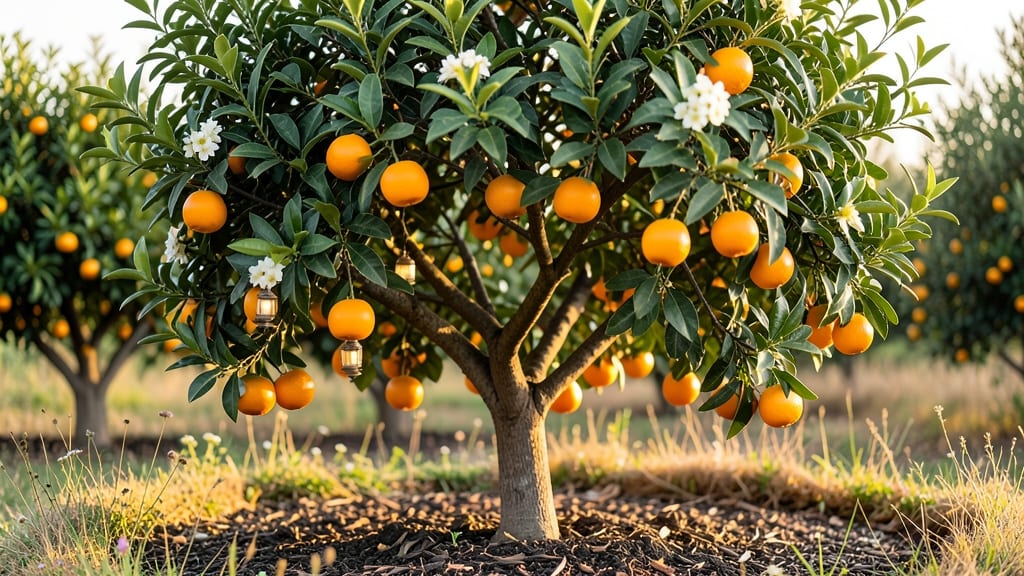
Those orange ball fruits hanging from a palm tree aren’t just pretty—they’re a sign of a thriving tropical plant you can grow indoors or out, even in cooler climates. 🌿 The secret lies in understanding your specific palm (like Pritchardia or Medinilla magnifica) and mimicking its natural conditions—warmth, humidity, and just the right light.
I’ve grown these same plants through winters in Zone 7 with a few clever tricks, and you can too.
The key to year-round fruit? Cold stratification for seeds and consistent care year-round. These palms love bright, indirect light (think east-facing windows or a grow light) and soil that stays slightly moist but never soggy.
In cooler climates, bring potted palms indoors before frost, but keep them near a sunny window—no dim corners. The payoff? Bright orange fruits that last for months and foliage so lush it’ll make your neighbors jealous.
Pruning is minimal—just remove dead fronds or overcrowded leaves—but watch for pests like spider mites (they love dry air). With the right setup, your palm will reward you with bold, glossy leaves and those signature orange fruits, even when your neighbors’ plants are struggling.
The best part? These palms are slow-growing, so they’ll be a low-maintenance centerpiece for years.
Whether you’re starting from seed or propagating from cuttings, this guide covers everything—from soil mixes to troubleshooting why your fruits aren’t forming. Let’s get your palm tree thriving, no matter where you live.
The Mystery Behind Orange Palm Clusters
If your palm tree is sprouting those bright orange, grape-like clusters, you’re likely dealing with a fascinating—and sometimes puzzling—natural process. These "orange balls" aren’t just random growths; they’re the result of specific biological triggers tied to the tree’s reproductive cycle, environmental cues, and even its genetic makeup.
Let’s break down the science behind why this happens, so you can better understand (and encourage!) this vibrant display.
The appearance of orange clusters on palm trees is primarily driven by hormonal signals, particularly ethylene and auxin, which regulate flowering and fruiting. Here’s how it works:
- Ethylene surge: As the tree matures, ethylene—a plant hormone—accumulates, signaling the transition from vegetative growth (leaves/stems) to reproductive growth (flowers/fruit). This is especially noticeable in palm species like Canary Island Date Palm (Phoenix canariensis), which produce these clusters in response to hormonal balance shifts.
- Day-length sensitivity: Many palm varieties are photoperiodic, meaning they respond to changes in daylight. Shorter days (common in late summer/early fall) can trigger hormonal changes that prompt flowering, even if the tree isn’t fully mature.
- Cold stratification effect: Exposure to cool temperatures (but not freezing)—like the cold stratification technique mentioned in your guide—can mimic winter conditions, breaking dormancy and kickstarting hormonal activity. This is why many growers use chilling periods to encourage fruiting.
Actionable tip: If your palm isn’t producing clusters, try placing it in a cool (50–60°F) but bright location for 4–6 weeks to mimic natural seasonal shifts. Avoid extreme cold, which can damage the tree.
Palm trees often respond to controlled stress by producing flowers and fruit—a survival mechanism to ensure reproduction. Here’s how environmental factors play a role:
| Factor | How It Triggers Clusters | Ideal Conditions for Encouragement |
|---|---|---|
| Temperature fluctuations | Moderate temperature swings (e.g., warm days, cool nights) can stimulate flowering hormones. This mimics natural seasonal changes. | Keep daytime temps at 75–85°F and nighttime temps at 60–65°F. |
| Water stress (mild) | Slight drought stress can trigger ethylene production, prompting blooms. However, severe drought kills the tree. | Let the top 2–3 inches of soil dry between waterings, then soak thoroughly. |
| Nutrient imbalances | Low phosphorus or potassium can delay fruiting, while a balanced NPK ratio (e.g., 10-10-10) supports flower development. | Fertilize in early spring with a palm-specific fertilizer high in potassium. |
| Humidity shifts | Sudden drops in humidity (e.g., moving from a greenhouse to outdoor conditions) can act as a stress signal. | Gradually acclimate palms to outdoor conditions over 2–3 weeks. |
Pro tip:💡 If your palm is in a container, reduce watering slightly in late summer to encourage mild stress—just enough to see the soil dry out, but not wilt the fronds.
Not all palm trees produce orange clusters—it’s often a species-specific trait. Here’s what you need to know:
- Species matters: Only certain palms (like Phoenix dactylifera, Washingtonia filifera, or Chamaerops humilis) naturally develop these clusters. If your tree isn’t on this list, it may never fruit.
- Age determines readiness: Young palms (under 5–10 years) focus energy on growth, not reproduction. Mature trees (10+ years) are more likely to flower.
- Pollination dependency: Some palms (like date palms) require cross-pollination between male and female trees to produce fruit. If your tree isn’t fruiting, check if it has a compatible partner nearby.
Actionable tip: If you’re growing a female palm (like a Canary Island Date Palm), plant a male counterpart within 50–100 feet to ensure pollination and fruit development. 🐝
Understanding these triggers lets you nudge your palm tree toward fruiting without forcing unnatural conditions. The key? A little stress, the right timing, and a patient approach.
Next, we’ll explore how to prune for optimal fruit production—but first, let’s tackle the most common missteps growers make when waiting for those orange clusters to appear.
Fixing Your Palm Tree’s Odd Growth
If your palm tree is sprouting those curious orange balls (likely palm fruit or botryospermum growths), don’t panic—there’s a way to manage (or even encourage!) this quirky trait.
Below, we break down the most common causes and practical fixes to keep your tree healthy and productive. Plus, we’ll share prevention tips to avoid future surprises.
If the orange balls are soft, mushy, or oozing, they’re likely rotting fruit or a fungal infection (like Phytophthora). Left unchecked, this can spread to other parts of the tree.
🔪 How to Fix It
- 🧹 Prune the affected fruit—Use sterilized pruning shears to cut off the orange balls at the base. Dispose of them in a sealed bag (not your compost bin) to prevent spores from spreading.
- 💦 Apply fungicide—Spray the area with a copper-based fungicide or a mix of baking soda (1 tsp), water (1 quart), and a drop of dish soap. Reapply every 7–10 days until new growth appears.
- 🌿 Improve air circulation—Thin out dense foliage around the tree to reduce humidity buildup, which fuels fungal growth.
💡 Prevention Tips
- 🌡️ Monitor humidity: Keep your palm in a well-draining spot with partial shade if you live in a humid climate.
- ✨ Inspect regularly: Check for early signs of rot (discoloration, sticky residue) and remove affected fruit immediately.
- 💧 Avoid overwatering: Let the top 2–3 inches of soil dry out between waterings.
Some palm varieties—like the Cocos nucifera (coconut palm) or Borassus flabellifer—produce orange-colored fruit that may look like "balls" when young. If the tree is otherwise healthy, this is just a quirky growth phase!
👨🍳 How to Fix It (If You Want Edible Fruit)
- 🌿 Identify the palm species—Research your tree’s type to confirm if the "orange balls" are edible (e.g., coconut) or ornamental (e.g., Chamaedorea palms, which rarely bear fruit).
- 🍽️ Harvest at the right stage—If edible, pick fruit when fully colored but still firm. For coconuts, wait until the husk turns brown.
- 🌱 Encourage more fruit—If your palm is female (check for flower spikes), ensure it gets:
- ⚡ Full sun (6+ hours/day)
- 💧 Consistent moisture (but not soggy soil)
- 🌿 Balanced fertilizer (high in potassium)—Use a palm-specific fertilizer in spring and summer.
🎯 Prevention Tips (For Non-Fruit-Bearing Palms)
- 📊 Choose the right palm: If you don’t want fruit, opt for sterile varieties like Kentia or Parlor palms.
- 🔥 Prune flower spikes early: If you spot flower buds, trim them off to prevent fruit development.
- ✨ Test soil pH: Palms that produce fruit often prefer slightly acidic to neutral soil (pH 6.1–7.5).
Tiny pests like scale insects or mealybugs can cause sticky, orange residue (honeydew) that hardens into crusty "balls." These pests weaken the tree and attract ants.
🧼 How to Fix It
- 🔍 Inspect the tree—Look for:
- ⚫ White cottony masses (mealybugs)
- 🟡 Brown, shell-like bumps (scale)
- 🍯 Sticky residue on leaves (honeydew)
- 💦 Blast off pests—Use a strong stream of water to dislodge bugs, then apply:
- 🍋 Neem oil solution (1 tbsp neem oil + 1 quart water + drop of soap)
- 🧴 Insecticidal soap (spray directly on pests)
- 🐜 Introduce beneficial insects—Ladybugs or parasitic wasps (available at garden centers) can help control outbreaks.
💡 Prevention Tips
- 🌿 Keep the tree clean: Wipe leaves with a damp cloth monthly to remove dust and early pest signs.
- 🌡️ Avoid over-fertilizing: Too much nitrogen attracts soft-bodied pests.
- 🌱 Quarantine new plants: Inspect any new palms before bringing them near your existing trees.
Final Thought: Whether your palm’s orange balls are a nuisance or a harvestable treat, acting quickly is key. With the right care, your tree can stay healthy, happy, and (if you want) fruity! 🌴🍍
Frequently asked questions
What palm species most commonly produce those bright orange clusters?
The most likely candidates are Pritchardia palms (like Pritchardia pacifica) or Medinilla magnifica, both known for their striking orange-red fruit clusters. Other possibilities include Canary Island Date Palm (Phoenix canariensis) or Cocos nucifera (coconut palm) when young. Always verify your specific species for proper care.
Can these orange clusters be eaten, or are they just decorative?
It depends on the species! Some like Phoenix dactylifera (date palm) produce edible fruit, while others (like Pritchardia) are ornamental only. If unsure, research your palm's variety—never eat unidentified plant parts. The coconut palm's young fruit is edible, but mature coconuts require proper harvesting.
How do I encourage my palm to produce more orange clusters?
Try these proven methods: Cold stratification (4-6 weeks at 50-60°F), balanced fertilization (high in potassium), and mild water stress (let top 2-3 inches of soil dry). Also ensure 6+ hours of sunlight daily. For tropical palms, maintain consistent humidity (50%+) and avoid sudden temperature swings.
Why are my palm's orange clusters turning mushy or rotting?
This usually indicates fungal infection (like Phytophthora) from overwatering or poor air circulation. Remove affected clusters immediately, apply copper-based fungicide, and improve airflow. Let soil dry slightly between waterings—never keep it soggy. Prune dense foliage to reduce humidity buildup around the fruit.
Can I grow these palms indoors, or do they need outdoor conditions?
Many varieties thrive indoors near bright, east-facing windows with supplemental grow lights (12+ hours/day). Use well-draining potting mix and maintain 60-70°F temperatures. For tropical species, keep humidity above 50% using a pebble tray. Just avoid cold drafts—these palms prefer warmth year-round.