
Pruning
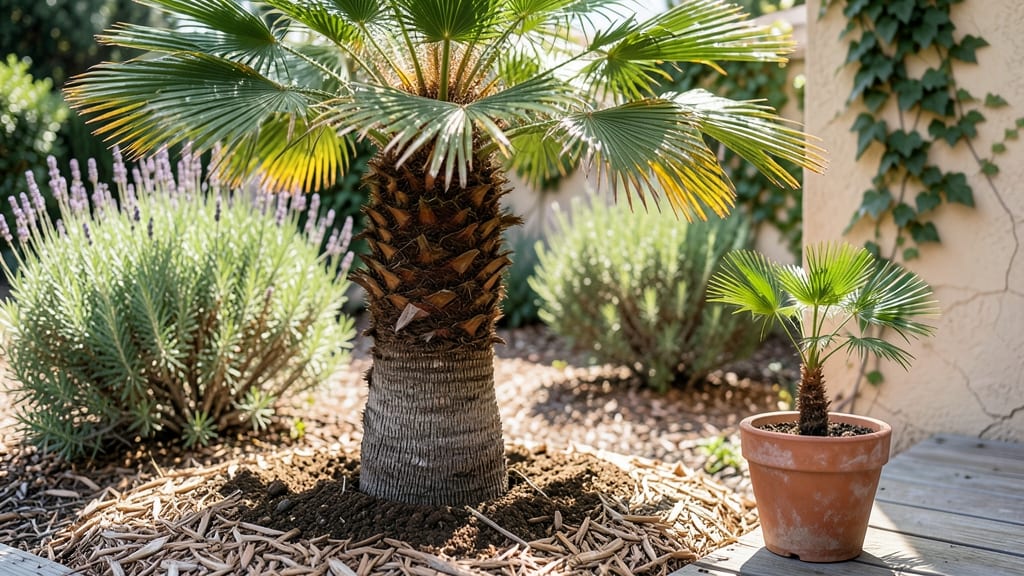
Growing palm trees as a palm tree grower in colder climates used to feel like a fantasy—until I discovered these cold-hardy varieties that actually survive winter. 🌿 The key isn't just picking the right species (like Windmill or Needle palms) but understanding how to protect them from frost, poor drainage, and winter winds.
Most people fail because they treat palms like tropical divas—they need well-draining soil, sheltered spots, and a little extra care in winter. My first Windmill palm survived its second winter by wrapping the trunk in burlap and moving it under an overhang.
The difference between a dead plant and a thriving one often comes down to these small adjustments. You'll end up with palms that grow 6-12 inches per year, develop that classic tropical look even in Zone 6, and resist common pests better than tropical species.
The secret is mimicking their natural coastal habitats—sandy soil, bright light, and good airflow. Whether you're planting in containers for winter moves or establishing permanent landscape palms, these varieties prove you don't need a beach to grow palms. Let's get your palms through winter unscathed!
📚 In This Guide
- What you need
- Instructions
- Tips and common mistakes
- Wrapping up and next steps
What you need
- ● Cold-hardy palm seedlings: Choose varieties like Trachycarpus fortunei (Windmill Palm) or Sabal minor (Dwarf Palmetto). Purchase 2–5 healthy saplings from a reputable nursery.
- ● Well-draining soil: Mix 60% native soil with 40% organic matter (compost or peat moss). Aim for a pH of 5.5–7.0. Quantity: Enough to fill your planting area (e.g., 1–2 cubic yards for 5 palms).
- ● Organic fertilizer: Slow-release 10-10-10 or palm-specific fertilizer (e.g., Espoma Palm Tone). Quantity: 1 lb per palm, applied 2–3 times per year.
- ● Mulch: Wood chips or pine straw (3–4 inches thick) to insulate roots in winter.
- ● Watering can or hose: With a gentle spray nozzle for deep, infrequent watering.
- ● Pruning tools: Bypass pruners (for small fronds)
- ● Loppers (for thicker stems)
- ● Sterilizing solution (70% isopropyl alcohol)
- ● Winter protection (Zone 7–9): Burlap wraps or frost cloth
- ● Straw or leaves for root insulation
- ● Soil amendments: Perlite or sand (10–20%) to improve drainage in heavy clay.
- ● Slow-release watering system: Drip irrigation or soaker hoses to automate care.
- ● Palm-specific pesticides: Neem oil or systemic fungicide (e.g., Copper fungicide) for pests/diseases.
- ● Staking: 3–4 ft bamboo stakes + soft ties for young palms in windy areas.
- ○ Growth regulator: Paclobutrazol (optional for dwarf varieties).
How to select and plant cold-hardy palm trees for year-round growth
Here's my go-to method for choosing and establishing palms that handle winter chill like a breeze.
🌱 Step 1: Choose the Right Cold-Hardy Varieties
Start with proven cold-tolerant species like Windmill Palm (Trachycarpus fortunei), Needle Palm (Rhapidophyllum hystrix), or Dwarf Palmetto (Sabal minor)—these handle 10-15°F without fuss. Check your USDA zone to narrow your choices: Zone 7b? Windmill Palms thrive there. Zone 8a? Dwarf Palmetto excels.
I always verify cold tolerance by checking the palm's native range—species from China or the southeastern U.S. adapt best to cooler climates. Avoid tropical palms like Royal or Coconut—they'll crisp in 30°F. Buy from reputable nurseries that specialize in cold-hardy palms, not big-box stores where plants often sit too long before sale.
🪴 Step 2: Prepare the Planting Site
Palms need 6-8 hours of sunlight daily but appreciate afternoon shade in hotter zones. Test your spot by observing how much sun it gets—if nearby plants wilt by midday, it's too harsh. Amend heavy clay soil with 2-3 inches of compost mixed into the top 12 inches to improve drainage, which palms despise.
Dig a hole twice as wide as the root ball but only as deep—planting too deep suffocates the roots. Loosen the edges of the hole with a shovel to encourage root spread. I always add a handful of slow-release fertilizer (10-10-10) to the bottom to give young palms a nutrient boost without burning them.
☀️ Step 3: Plant and Water for Establishment
Remove the palm from its container and tease apart any circling roots gently with your fingers—this prevents girdling as the plant matures. Position the palm so the top of the root ball sits 1-2 inches below soil level; the trunk will rise naturally as it grows. Backfill with native soil mixed with compost, tamping lightly every 2 inches to eliminate air pockets.
Water deeply immediately after planting—5 gallons for small palms, 10+ gallons for larger specimens—until water runs out the drainage holes. Mulch with 3 inches of pine straw or shredded bark to retain moisture and protect roots from temperature swings. Avoid watering again until the top 4 inches of soil feel dry—overwatering kills more palms than cold does.
⏰ Step 4: Protect Young Palms During Winter
First-year palms need extra care when nights dip below 25°F. Wrap the trunk and fronds with burlap or frost cloth, securing it loosely so air can circulate. I also mound 6-8 inches of mulch around the base to insulate roots—this is critical for survival. Avoid plastic wraps, which trap moisture and cause rot.
Watch for frost damage in spring by examining the fronds for brown, crispy edges. If you see this, trim only the dead portions—healthy green tissue will regrow. Palms are tougher than they look; even if they look sad after a freeze, they often bounce back once temperatures stabilize above 40°F for a week.
🌿 Step 5: Maintain Through the Seasons
Feed palms in early spring with ½ cup of balanced fertilizer (10-10-10) spread around the drip line, then again in early summer. Water deeply once a week during the first growing season, then reduce to every 10-14 days once established—palms hate soggy roots. Prune only dead fronds in late winter, cutting them back to the trunk to prevent disease.
Here's the thing—palms grow slowly, so don't rush them. A healthy Windmill Palm might only gain 6-12 inches per year, but that steady growth means it'll outlast faster-growing but less cold-hardy species. The key is patience; these palms will reward you with decades of tropical vibes even in cooler climates.
Tips & tricks for perfect cold-hardy palm tree planting
These little-known tricks will help your palms thrive through winter and beyond—no green thumb required.
Selection Strategy: When choosing between Windmill, Needle, or Dwarf Palmetto palms, consider your microclimate. Windmill Palms handle Zone 7b's colder nights best, while Dwarf Palmetto excels in Zone 8a's milder winters. I always check the nursery's growing records—ask when they were propagated, as container-grown palms adapt better than field-grown ones. Look for plants with firm, upright fronds and no yellowing; these are signs of healthy, cold-resistant specimens.
Soil Prep Secret: That 2-3 inches of compost mixed into the top 12 inches isn't just about drainage—it's about creating a root-friendly environment. I like to add a handful of coarse sand to break up heavy clay soils, which palms despise. For containers, use a mix of 60% potting soil, 20% perlite, and 20% compost to mimic their natural well-draining habitat. The key is replicating the loose, sandy soils where these palms evolved.
Winter Protection Hack: That 6-8 inches of mulch around the base isn't just insulation—it's a moisture barrier too. I always use straw or bark mulch because they break down slowly, releasing nutrients over time. For extra protection during hard freezes below 15°F, I wrap the entire plant (including pot if containerized) with burlap and secure it with twine. This creates a mini greenhouse effect that can make all the difference during extreme cold snaps.
Watering Wisdom: The 4-inch dry soil rule is your best friend, but timing matters just as much. Water in the morning so any excess moisture evaporates during the day, preventing fungal issues. I've found that palms planted in spring need more frequent watering than those planted in fall—they're establishing roots during peak growing season. For container palms, check moisture by lifting the pot; if it's light, it's dry.
Pro Tips for Palm Tree Grower
- These little-known tricks will help your palms thrive through winter and beyond—no green thumb required.
- Selection Strategy: When choosing between Windmill, Needle, or Dwarf Palmetto palms, consider your microclimate.
- Soil Prep Secret: That 2-3 inches of compost mixed into the top 12 inches isn't just about drainage—it's about creating a root-friendly environment.
Frequently asked questions
Got questions about growing cold-hardy palm trees? You’re not alone! Here are answers to the most common concerns from palm tree growers navigating climate challenges, care, and troubleshooting.
Can palm trees really survive cold winters?
Yes—but only specific cold-hardy varieties like the Needle Palm (Rhapidophyllum hystrix) or Windmill Palm (Trachycarpus fortunei) can tolerate brief dips below freezing (20–25°F). Most tropical palms (e.g., coconut or date palms) will die in frost. Always check your USDA zone and mulch heavily in fall to protect roots!
How long does it take for a palm tree to mature?
Growth speed varies by species! Fast growers like the Mexican Fan Palm (Washingtonia robusta) can reach 10–15 feet in 5–10 years, while slower varieties (e.g., Dwarf Palmetto) may take 15+ years. Pro tip: Cold-hardy palms often grow slower in harsh climates—patience pays off for resilience!
What’s the best way to plant a palm tree in cold climates?
Start with container-grown palms (they adapt better to transplant shock) and plant in spring after the last frost. Amend soil with compost, water deeply, and use burlap wraps or frost cloths for the first winter. Avoid planting in low-lying areas where cold air pools.
Why are my palm fronds turning brown or black?
Brown fronds often signal cold damage, overwatering, or pests. If tips are crispy, it’s likely frost injury—trim dead fronds but leave healthy ones for energy. Yellowing fronds may mean overwatering; adjust to water only when soil is dry 2–3 inches down. Scale insects or palm weevils can also cause blackening—inspect stems for holes or sticky residue.
Are there palm alternatives for extreme cold zones (Zone 5 or lower)?strong>
If palms are too risky, try ornamental grasses (e.g., Pampas Grass), yuccas, or Japanese Black Pines for tropical vibes without the cold sensitivity. For a palm-like look, Kentia Palms (Howea forsteriana) can survive indoors in Zone 6+ with winter protection.
Wrapping up and next steps
Growing cold-hardy palm trees is totally doable—even in chilly climates! 🌿 With the right varieties, soil prep, and seasonal care, you can enjoy lush, year-round greenery that stands up to frost.
Whether you're a beginner or a seasoned gardener, these resilient palms prove that tropical beauty isn’t just for warm zones.
Ready to dive in? Start by choosing your palm—like the Needle Palm or Windmill Palm—then gather your supplies and follow the steps. Plant this season and watch your backyard transform into a mini oasis! 🌟