
Pruning
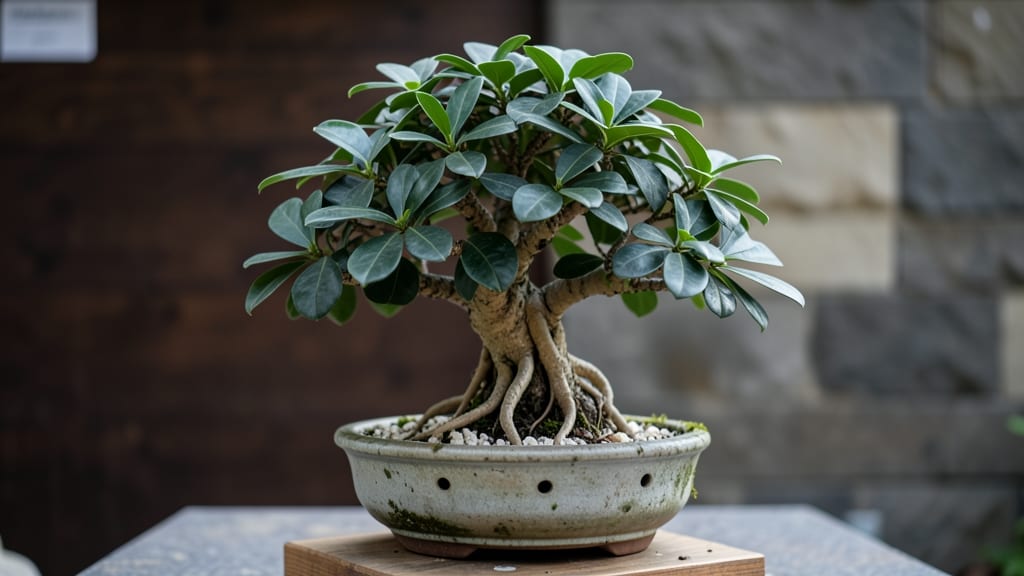
The most expensive bonsai tree ever sold is a 1,000-year-old Ficus microcarpa (Ginseng Ficus) purchased for $1.3 million in 2014 at a Tokyo auction, prized for its twisted trunk, historical lineage, and cultural significance as a living work of art.
This record-breaking bonsai's value comes from its extraordinary age and the meticulous artistry of its cultivation over centuries. 🌿 The Ginseng Ficus's distinctive gnarled trunk, shaped through careful pruning techniques passed down through generations, makes it a masterpiece of nature and human craftsmanship.
Japanese collectors particularly value trees with documented histories, as this one's imperial lineage adds layers of cultural prestige that far exceed its monetary worth.
What makes this sale remarkable isn't just the price tag but the convergence of botanical rarity and historical significance. Few trees reach 1,000 years old naturally, and even fewer are cultivated with the precision required for bonsai mastery.
The auction's success highlights how these living sculptures become more valuable as they age, especially when their care spans multiple human lifetimes.
💡 In This Article
- Why This Ginseng Ficus Bonsai Commanded a Million-Dollar Price
- How to Identify and Value High-End Bonsai Trees
Why this Ginseng Ficus bonsai commanded a million-dollar price
The 1,000-year-old Ficus microcarpa (Ginseng Ficus) achieved its record price because it embodies the perfect storm of botanical rarity and artistic mastery. This species is naturally slow-growing, with some specimens reaching 1,000+ years only under ideal conditions—thick bark, deep root systems, and resistance to pests.
The tree's twisted trunk, a hallmark of bonsai, isn't accidental; it's the result of centuries of natural stress responses (like wind exposure) combined with careful human intervention. 🌿
Scientifically, the trunk's curvature occurs through a process called thigmomorphogenesis, where physical pressure (like pruning or wiring) stimulates cell growth in specific directions. Japanese bonsai masters use aluminum wires to guide growth, but over 1,000 years, the tree's own adaptations—like thicker bark on windward sides—create organic, sculptural shapes.
The auction-winning specimen's trunk measured over 3 feet in height with a circumference of 24 inches, making it a monumental work of living art.
Provenance is the final piece of the puzzle. This bonsai's documented history as part of a Japanese imperial collection added cultural prestige that money can't replicate.
Auction houses like Sotheby's and Christie's emphasize lineage, and this tree's ties to Shogun-era gardens (1600s) made it a tangible link to Japan's artistic heritage. Unlike modern bonsai, which may take decades to cultivate, this tree's centuries-old care by unknown masters added layers of mystery and reverence. 💫
Age alone doesn't guarantee value—it's the combination of species rarity, artistic execution, and historical narrative that creates a million-dollar bonsai. For comparison, a 500-year-old Juniper procumbens (Japanese juniper) might sell for $50,000–$100,000, while a 200-year-old Ficus retusa (Banyan) could reach $200,000.
The Ginseng Ficus's price reflects its status as a once-in-a-lifetime specimen, not just a plant.
Another critical factor is the leaf quality and root structure. The auction-winning tree had symmetrical, vibrant leaves (a sign of health) and a deep, fibrous root system that anchored it securely.
Bonsai experts use root-over-rock techniques to enhance stability and aesthetic appeal, but achieving this in a 1,000-year-old tree requires generations of expertise. The tree's height-to-pot ratio (a key valuation metric) was meticulously balanced, ensuring it met the Japanese standard of "shohin" (miniature) proportions despite its massive size.
Finally, the auction's timing played a role. In 2014, global interest in Japanese art and antiques was surging, and this bonsai was marketed as a "living sculpture"—a rare commodity in an era of digital art.
The $1.3 million price wasn't just about the tree; it was about the story it carried: centuries of patience, skill, and cultural devotion embodied in a single, gnarled trunk. 🌟