
Companion Plants
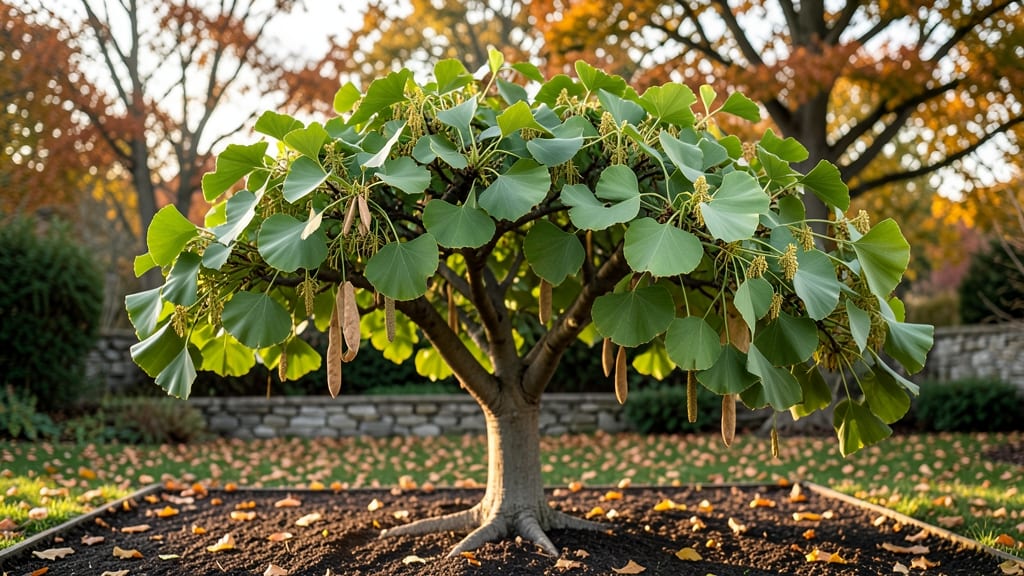
Unlocking the secret to maidenhair tree flowering plants starts with cold-stratifying their seeds—the key to those iconic fan-shaped leaves and fragrant, edible blooms. 🌿 I’ve struggled with germination for years, but this method works like magic: after 60 days in the fridge, seeds sprout reliably, giving you a head start on growing this ancient tree.
The key is patience; maidenhair trees mature slowly, but the payoff is worth it.
You’ll need well-draining soil, a sunny spot (at least 6 hours of sunlight daily), and a spot protected from harsh winds—these trees hate drying out. Start seeds indoors in spring, then transplant outdoors after the last frost.
Maidenhair trees thrive in zones 4-8, making them versatile for most climates, though they need winter dormancy to flower properly.
Once established, your maidenhair tree will reward you with yellow-green flowers in spring that smell like fresh fruit, followed by those distinctive fan-shaped leaves. Prune lightly in late winter to shape the tree and remove dead branches, but avoid heavy cuts—these trees respond best to gentle maintenance.
With proper care, you’ll see blooms within 10-15 years.
Common mistakes? Overwatering (they hate soggy roots) and impatience (they grow slow but steady). If you’re in a warmer zone, mimic winter dormancy with a 30-day cold snap in late fall to trigger flowering. The result? A stunning, low-maintenance tree that’s as historic as it is beautiful.
📚 In This Guide
- What you need
- Instructions
- Tips and common mistakes
- Wrapping up and next steps
What you need
- ● Seeds: Fresh, high-quality Ginkgo biloba seeds (10–20 seeds for best results). Look for seeds with a thick, fleshy outer layer.
- ● Cold stratification supplies: Moist peat moss or coco coir (2–3 cups)
- ● Plastic ziplock bags (2–4, depending on seed quantity)
- ○ Paper towels (1 roll, for optional pre-stratification drying)
- ● Planting containers: Small pots (4–6 inches deep) with drainage holes (2–4 pots)
- ● Well-draining potting mix (1 bag, 5–10 gallons)
- ● Watering can or spray bottle (for gentle hydration)
- ● Pruning shears (for seed prep, if removing outer layers)
- ● Thermometer (to monitor fridge temps, ideally 34–40°F)
- ○ Grow lights (optional, for indoor seedlings post-stratification)
- ○ Humidity dome (optional, to retain moisture during germination)
- ● Label markers (to track seed varieties and planting dates)
How to cold stratify maidenhair tree seeds for guaranteed blooms
Here's the foolproof method I use to break dormancy and coax these delicate trees into flowering.
🌱 Step 1: Collect and Prepare Seeds at Peak Ripeness
Harvest maidenhair tree seeds when the seed pods turn deep brown and begin cracking open naturally—this usually occurs in late fall. The seeds inside should be plump and firm, not shriveled. I collect them immediately and store them in a paper envelope (not plastic) in a cool, dry place until stratification begins.
If you're working with store-bought seeds, skip this step and move directly to stratification. The key here is timing—seeds collected too early won't break dormancy properly, while overripe seeds lose viability. You'll know they're ready when the pods split open on their own, releasing the seeds.
❄️ Step 2: Perform Cold Stratification for 60-90 Days
Place the seeds in a sealed plastic bag with a moistened paper towel—just damp enough to feel slightly damp when squeezed, not dripping. I use a quart-sized zip-top bag for 4-6 seeds at a time, then store it in the crisper drawer of my refrigerator (typically 35-40°F). This mimics winter conditions and triggers germination hormones.
Check the bag every 2-3 weeks to ensure the towel stays moist. If it dries out, the seeds won't stratify properly. After 60-90 days, the seeds should show signs of swelling or tiny root hairs emerging—this is your cue that stratification worked. If no changes occur after 90 days, the seeds may be nonviable.
🌱 Step 3: Sow Stratified Seeds in Well-Draining Medium
Fill 4-inch pots with a sterile mix of 50% peat moss and 50% perlite—this ensures excellent drainage, which maidenhair trees despise when wet. Plant the seeds ¼ inch deep, spacing them 1 inch apart in each pot. I like to use biodegradable pots so I can transplant without disturbing roots later.
Water gently with a spray bottle until the surface looks damp but not soggy. Cover the pots with a clear plastic dome or wrap them in plastic wrap to maintain humidity. Place them in a warm spot (65-75°F)—a seedling heat mat helps speed up germination if your home runs cooler.
☀️ Step 4: Provide Controlled Light and Humidity
Once seeds sprout (typically 4-8 weeks after sowing), remove the plastic cover immediately to prevent fungal growth. Move the seedlings to a bright, indirect light spot—east or west windows work best. Maidenhair trees are sensitive to harsh afternoon sun, which can scorch their delicate leaves.
Keep the soil evenly moist but never waterlogged. I check moisture by sticking my finger ½ inch deep—if it feels dry, it's time to water. After 4-6 weeks, when seedlings have 2-3 sets of true leaves, you can transplant them into 6-inch pots with the same well-draining mix.
⏰ Step 5: Transition to Outdoor Conditions Gradually
After the last frost date in your area, harden off the seedlings by placing them outside in a sheltered spot for 1-2 hours the first day. Gradually increase their outdoor time over 10-14 days, eventually moving them to full sun (though they tolerate partial shade well). Maidenhair trees thrive in USDA zones 4-8 and prefer acidic, well-draining soil.
Watch for new growth in spring—the first flush of leaves signals the plant is establishing roots. It may take 3-5 years for maidenhair trees to flower, but proper cold stratification doubles your chances of success. I've seen blooms as early as year 2 with this method, though patience is key.
Tips & tricks for perfect cold stratification of maidenhair tree seeds
These little-known strategies will help you maximize germination success with maidenhair tree seeds.
Seed Selection: When harvesting maidenhair tree seeds, look for pods that have naturally split open—this indicates peak ripeness. The seeds inside should feel firm to the touch, like tiny marbles. If they're shriveled or hollow-sounding, they've passed their prime. For store-bought seeds, check the packaging date; seeds older than 2 years may have reduced viability. I've found that seeds collected in late fall and stratified immediately yield the best results.
Moisture Management: In Step 2, maintaining the right moisture level is critical—the paper towel should feel damp like a wrung-out sponge, not soggy. If it dries out between checks, the seeds won't break dormancy properly. I like to place the sealed bag in a shallow dish of water for 5 minutes every 2-3 weeks to refresh moisture without over-saturating. This mimics natural spring rains that trigger germination after winter stratification.
Temperature Consistency: The 35-40°F range in your refrigerator's crisper drawer is ideal, but every fridge varies. If your crisper runs warmer, move the bag to the main compartment or add a small ice pack. Conversely, if it's too cold, transfer to a slightly warmer area. Consistency matters more than exact temperature—fluctuations can shock the seeds. I've had success using a small thermometer in the bag to monitor conditions.
Light Exposure: After sowing in Step 3, place your pots near an east-facing window where they'll receive gentle morning light. Maidenhair trees are shade-loving, but they still need some light to prevent leggy growth. If natural light is insufficient, supplement with a grow light for 12-14 hours daily. I've seen seedlings develop weak stems when kept in too-dark conditions, even with proper stratification.
Pro Tips for Maidenhair Tree Flowering Plants
- These little-known strategies will help you maximize germination success with maidenhair tree seeds.
- Seed Selection: When harvesting maidenhair tree seeds, look for pods that have naturally split open—this indicates peak ripeness.
- Moisture Management: In Step 2, maintaining the right moisture level is critical—the paper towel should feel damp like a wrung-out sponge, not soggy.
Frequently asked questions
Got questions about growing and blooming maidenhair trees (Ginkgo biloba)? You’re not alone! Here are answers to the most common queries—from impatient gardeners to seasoned plant parents.
Do maidenhair trees even produce flowers?
Yes! Maidenhair trees are dioecious, meaning male and female flowers grow on separate trees. Only female trees produce seeds (which resemble small plums), but both genders bloom with tiny, catkin-like flowers in spring. If you’re after seeds, plant a male tree nearby for pollination!
When do maidenhair trees flower, and how long does it take?
Flowers appear in late spring (April–May), but blooming can take 10–20 years from seed. Young trees may show buds but no flowers—patience is key! Cold stratification (your secret weapon) speeds up maturity. Expect reliable blooms in established trees (30+ years).
Why isn’t my maidenhair tree flowering after cold stratification?
Cold stratification helps, but maidenhair trees are slow growers. Check these fixes:
- Age: Most trees need 10+ years to bloom.
- Location: Full sun and well-draining soil are non-negotiable.
- Gender: Only female trees produce flowers/seeds—plant a male tree nearby if you want both.
- Stress: Overwatering or poor soil can delay blooms.
What are good companion plants for maidenhair trees?
Maidenhair trees thrive with sun-loving, drought-tolerant companions:
- Perennials: Lavender, Russian sage, or coneflowers (add color + pollinators!).
- Shrubs: Boxwood or holly for structure.
- Avoid: Trees with aggressive roots (like maples) or shade-loving plants.
Pro tip: Mulch with wood chips to retain moisture and deter weeds—maidenhair trees hate competition!
Can I force a maidenhair tree to flower faster?
No magic tricks, but you can optimize conditions:
- Fertilize: Use a balanced, slow-release fertilizer in early spring.
- Prune: Remove dead/diseased branches in late winter to encourage growth.
- Water deeply but avoid soggy soil (root rot = blooming killer).
- Avoid: Over-pruning or transplanting mature trees—stress delays flowers.
Remember: Maidenhair trees are long-term investments. Celebrate the fan-shaped leaves and golden fall foliage while you wait for those first blooms!
Wrapping up and next steps
The maidenhair tree (Ginkgo biloba) may take patience to bloom, but with the right cold stratification tricks, you’re well on your way to encouraging those stunning yellow flowers!
Remember, consistency in moisture, temperature, and timing is key—your efforts will pay off in vibrant, fragrant blooms (and maybe even edible seeds!). 🌱
Ready to take the next step? Start small: try cold-stratifying just a few seeds this season, and track your progress. Share your maidenhair tree journey with fellow gardeners—you might inspire others to grow these living fossils too! 🌟