
Container Gardens
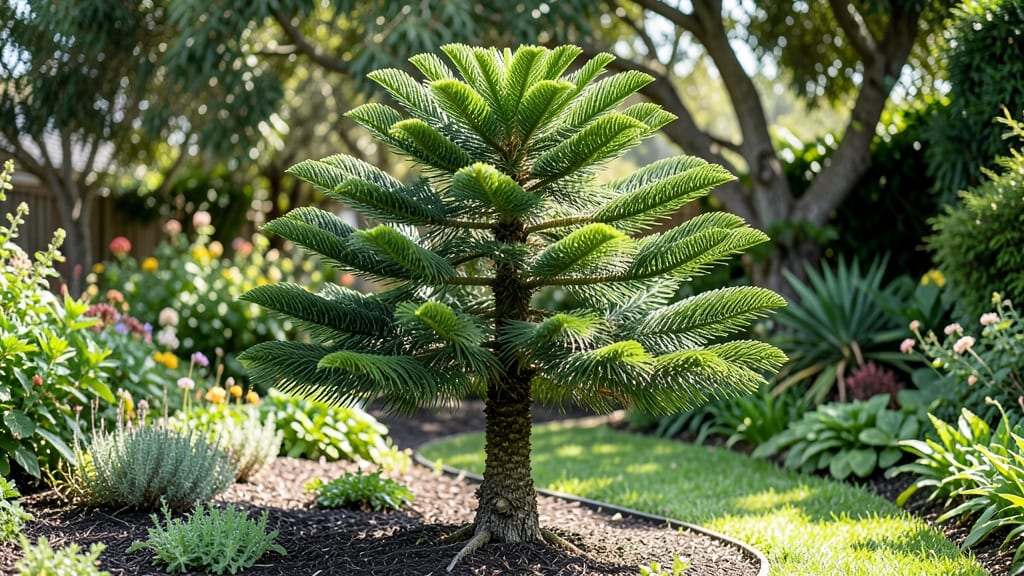
Growing a live pine tree in a pot means year-round evergreen beauty without the yard. 🌲 I've kept pines thriving in containers for over a decade, and the secret isn't complicated—it's about matching the right species to your space and understanding their unique needs.
The best container pines are dwarf varieties like mugo or Japanese black pine, which stay small enough for pots while still making a statement. You'll need a pot with drainage holes (at least 12 inches deep for mugo pines) and a soil mix that mimics their natural rocky, well-draining habitat.
Most people overwater, but pines hate soggy roots—think "damp, not wet." With proper care, your potted pine will develop a sturdy trunk, vibrant needles, and that fresh forest scent year-round. The key is winter prep: move it to a sheltered spot, reduce watering, and protect it from windburn.
I've had mine survive 20-below winters with just a little extra attention. This works for patios, balconies, or even sunny windowsills—just pick the right size and species. Let's get your pine thriving in a pot!
📚 In This Guide
- What you need
- Instructions
- Tips and common mistakes
- Wrapping up and next steps
What you need
- ● Pine Tree Seedling or Small Sapling: Choose a dwarf or slow-growing variety like Pinus mugo (mugo pine) or Pinus sylvestris (Scots pine). Size: 1–3 feet tall, with a healthy root system.
- ● Large, Durable Pot: Minimum 18–24 inches in diameter (bigger for mature trees). Ensure it has drainage holes at the bottom. Terracotta or ceramic pots work best for breathability.
- ● High-Quality Potting Mix: Use a blend designed for acidic-loving plants (pH 4.5–6.0). Mix 50% peat moss or coconut coir, 30% pine bark fines, and 20% perlite or sand for drainage.
- ● Slow-Release Fertilizer: 10–10–10 or 14–14–14 NPK ratio, labeled for evergreens or conifers. Apply 1–2 times per year (spring and early summer).
- ● Gravel or Pebbles: 1–2 inches for the pot’s drainage layer.
- ● Watering Can with a Rose Nozzle: For gentle, deep watering without disturbing the soil.
- ● Trowel or Spade: For planting and soil adjustments.
- ● Pruning Shears: To trim dead branches or shape your tree (sterilize with rubbing alcohol first!).
- ○ Mulch (Optional): 2–3 inches of pine bark mulch to retain moisture and regulate temperature. Avoid organic mulch like wood chips—it can compact and suffocate roots.
- ○ Pot Feet or Saucer (Optional):strong> To protect surfaces and improve drainage.
- ● Indoor Grow Lights (For Indoor Pots): 12–16 hours of light daily if placing indoors (LED grow lights work best).
- ○ Soil pH Test Kit (Optional): To monitor and adjust soil acidity as needed.
Step-by-step instructions for growing a live pine tree in a pot
Transform your patio into a year-round evergreen oasis with these simple steps.
🌱 Step 1: Choose the Right Pine Species and Container
Not all pines thrive in containers, so pick dwarf varieties like Mugo, Scotch, or Japanese Black Pine. These stay small enough for pots while still making a statement. Your container needs drainage holes—no exceptions—and should be at least 12 inches deep and 2-3 inches wider than the root ball.
I always opt for unglazed terra cotta because it breathes and prevents root rot. If using plastic, add extra perlite to the mix to improve aeration. The pot should be heavy enough to stay upright in wind—pines can grow top-heavy over time. For 4 plants, you'll need 4 containers of this size.
🪴 Step 2: Prepare the Drainage and Soil Mix
Start with a 2-inch layer of gravel or coarse sand at the bottom of each pot. This prevents waterlogging and mimics the pine's natural rocky soil. Next, blend 50% potting mix with 50% coarse sand or perlite—this ensures excellent drainage while holding enough moisture for roots.
Pines hate soggy feet, so I test the mix by squeezing a handful. If it holds together tightly, add more sand. If it crumbles completely, add a bit of peat moss. Fill the pot to 1 inch below the rim—you'll need room to adjust after planting. This mix works for all 4 plants.
☀️ Step 3: Plant and Position for Maximum Sunlight
Gently remove the pine from its nursery pot and loosen the roots if they're circling. Place it in the center of your prepared container, then fill around the sides with your soil mix, pressing lightly to eliminate air pockets. Leave the root flare (where roots meet the trunk) exposed—burying it causes rot.
Pines need full sun (6+ hours daily), but they'll also tolerate partial shade if you can't provide direct light. I position mine on a south-facing patio where they get morning sun and afternoon shade in summer. In winter, a south or west exposure keeps them happy. Water immediately after planting to settle the soil.
💧 Step 4: Water and Maintain Year-Round Care
Water deeply once a week in summer, letting 1 inch of water drain out the bottom. In winter, reduce to every 2-3 weeks unless your home is very dry. I check moisture by sticking my finger 2 inches into the soil—if it's dry, water; if damp, wait. Overwatering is the #1 killer of potted pines.
Fertilize lightly in spring with a slow-release evergreen fertilizer. I skip summer feeding—pines grow slowly and don't need much. Prune only to remove dead branches in late winter. Move containers occasionally so the tree grows evenly. With this routine, your 4 potted pines will thrive for years.
✂️ Step 5: Protect and Prune for Long-Term Health
Watch for spider mites or aphids—these love potted pines. I spray with water first to knock off pests, then treat with neem oil if needed. In winter, move containers to a sheltered spot if temperatures drop below 10°F. A thick layer of mulch helps insulate roots.
Prune only to shape or remove dead branches. Never cut into old wood—it won't regrow. I do a light shaping in early spring before new growth starts. With proper care, your potted pines will grow 1-2 feet taller every 5 years while staying compact enough for containers.
Tips & tricks for perfect potted pine trees
Here's what nobody tells you about keeping your container pines thriving for years.
Container Selection: Terra cotta pots are ideal because their porous nature helps prevent root rot by allowing excess moisture to evaporate. If you choose plastic containers, add a layer of gravel at the bottom and mix in extra perlite to improve drainage. Remember, the container should be heavy enough to prevent tipping—especially as your pine grows taller and top-heavy over time.
Soil Mix Secrets: The 50/50 blend of potting mix and coarse sand or perlite is crucial for preventing soggy soil. I always test the mix by squeezing a handful—it should hold together slightly but crumble easily. If it feels too compact, add more sand; if it falls apart completely, incorporate a bit of peat moss. This ensures your pines get just the right amount of moisture without waterlogging.
Light Positioning: While pines need full sun (6+ hours daily), their ideal placement changes with seasons. In summer, morning sun with afternoon shade works best to prevent heat stress. In winter, a south or west-facing spot ensures they get enough light even on cloudy days. Rotate your containers occasionally so the tree grows evenly rather than leaning toward the light source.
Winter Protection: When temperatures drop below 10°F, move your potted pines to a sheltered spot like a garage or under an eave. Wrap the pots in bubble wrap or burlap to protect roots from freezing. A thick layer of mulch around the base helps insulate the soil and prevents temperature fluctuations that can damage roots.
Pro Tips for Live Pine Tree In A Pot
- Here's what nobody tells you about keeping your container pines thriving for years.
- Container Selection: Terra cotta pots are ideal because their porous nature helps prevent root rot by allowing excess moisture to evaporate.
- Soil Mix Secrets: The 50/50 blend of potting mix and coarse sand or perlite is crucial for preventing soggy soil.
Frequently asked questions
Got questions about keeping a live pine tree thriving in a pot?
You’re not alone! Here are answers to the most common concerns—from care basics to troubleshooting—so you can enjoy your evergreen beauty year-round.
How often should I water a potted pine tree?
A potted pine tree needs water when the top 2–3 inches of soil feel dry. Overwatering is riskier than underwatering—pine roots rot easily! In summer, water every 5–7 days; in winter, reduce to every 2–3 weeks. Always use a pot with drainage holes to prevent soggy soil. Pro tip: Stick your finger in the soil to check moisture!
Can a potted pine tree survive winter outdoors?
Yes, but it depends on your climate! If temps drop below 10°F (-12°C), move your pine to a sheltered spot (like a garage or porch) or wrap the pot in burlap for insulation. Avoid freezing roots—elevate pots slightly off the ground and mulch the soil. For extreme cold (-20°F/-29°C), bring it indoors near a bright window.
What’s the best soil mix for a potted pine tree?
Use a well-draining mix: combine 50% peat moss or coconut coir, 30% pine bark fines, and 20% perlite or sand. Avoid heavy garden soil—it compacts and suffocates roots. For acid-loving pines (like Pinus mugo), add a handful of sulfur granules to lower pH. Pro tip: Repot every 2–3 years to refresh the mix!
Why are my pine needles turning brown?
Brown needles usually mean overwatering, underwatering, or pests. Check the soil first—if it’s soggy, let it dry out; if bone-dry, water deeply. For pests (like spider mites or aphids), spray with neem oil or rinse needles with water. Old age can also cause browning—pines keep their needles 2–5 years, so inner needles may yellow naturally.
What’s the largest pine tree that can thrive in a pot?
Size depends on the pot! Dwarf varieties like Pinus mugo (mugo pine) stay under 6 feet in a 15–20 gallon pot, while Pinus thunbergii (Japanese black pine) can reach 10 feet in a 30+ gallon container. Rule of thumb: Add 1–2 inches of root ball per year to the pot’s diameter. For heavy pines, use a lightweight pot or a dolly for moving!
Wrapping up and next steps
Bringing a live pine tree in a pot into your space isn’t just about aesthetics—it’s about embracing nature’s resilience and timeless charm. With the right container, soil, and care, your evergreen beauty can thrive year-round, adding freshness and tranquility to any corner. 🌲✨
Ready to transform your outdoor (or indoor!) space? Start by selecting the perfect pine variety for your climate, then gather your supplies and follow the steps with confidence.
Whether you’re a seasoned gardener or a curious beginner, this project is totally doable—and the results? Pure magic. Plant that pot today!