
Pruning
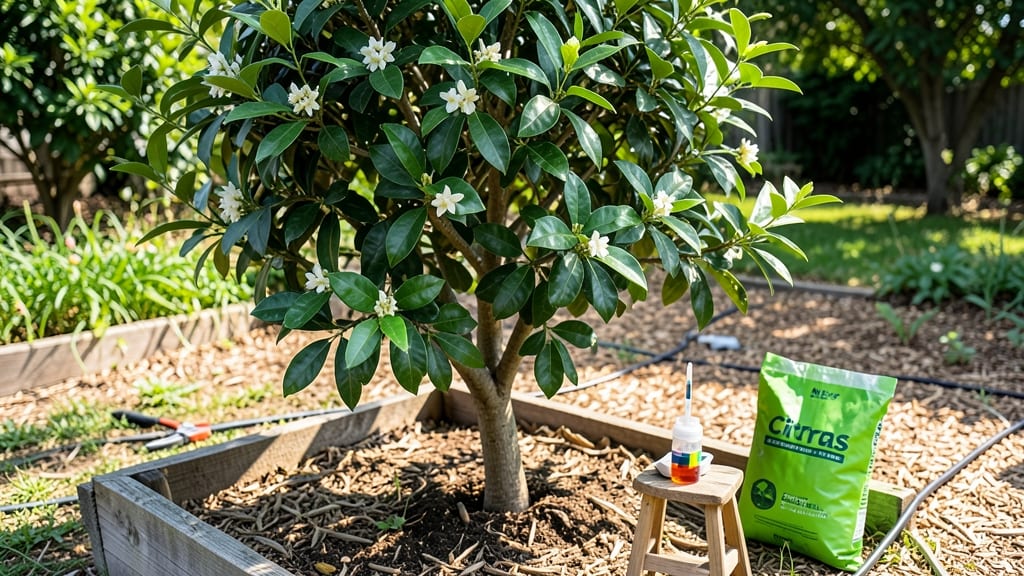
Your lime tree not fruiting despite heavy branches is the real issue—this imbalance starves the tree of energy for fruit production. 🌿 Overloaded growth diverts nutrients to leaves instead of tangy, fragrant limes, but the fix is simple: prune strategically to redirect energy where it matters most.
Start by removing 20-30% of the thickest, non-fruiting branches—prioritize those growing inward or crossing others. Thin out crowded spots to improve airflow and sunlight penetration, which triggers flowering. After pruning, feed with a balanced citrus fertilizer (6-6-6 ratio) to replenish nutrients lost during the cut.
I’ve seen trees go from zero fruit to bushels within a single season after this simple reset. The payoff? More sunlight reaches inner branches, encouraging flowering nodes to form. Within 6-8 weeks, you’ll spot tiny lime blossoms—each one a promise of future harvests.
The key is consistency: prune annually in late winter and fertilize every 6-8 weeks during growing season. This works for both dwarf and standard lime trees, whether in pots or planted in the ground. The same principles apply to other citrus like lemons or oranges when they skip fruiting.
Let’s get those branches balanced!
Root Causes Behind Missing Limes
Lime trees are known for their vibrant foliage and sweet citrus scent, but when they refuse to produce fruit, it can be frustrating. Understanding the underlying reasons behind this issue is the first step to restoring a fruitful harvest.
Below are the most common causes—each with a clear scientific explanation and actionable insights.
---
Lime trees (Citrus aurantiifolia and Citrus × latifolia) are sun-worshippers and require 6 to 8+ hours of direct sunlight daily to trigger flowering and fruiting. When deprived of adequate light, they shift energy into leafy growth instead of reproductive processes.
- Why it happens: Sunlight is critical for photosynthesis, which fuels the production of floral hormones (like gibberellins and auxins).
Low light weakens the tree’s ability to develop flower buds in the leaf axils (the junction where leaves meet stems). - Actionable fix: - Move potted lime trees to a sunnier spot (south-facing is ideal in the Northern Hemisphere). - If outdoors, ensure they’re not shaded by taller trees or structures. - Pro tip: 💡 Use grow lights (12–16 hours/day) in winter if natural light is scarce.
---
Lime trees thrive in USDA Zones 9–11, where winters stay above 25°F (-4°C). Extreme heat, cold snaps, or rapid temperature swings can shock the tree, halting flower formation.
- Why it happens: - Cold damage: Frost or sub-freezing temps can kill flower buds before they open. - Heat stress: Temperatures above 95°F (35°C) for prolonged periods disrupt pollination and fruit set. - Transplant shock: Young trees moved in hot or cold weather struggle to adapt, diverting energy to survival over fruiting. - Actionable fix: - Mulch heavily in winter to protect roots from temperature fluctuations. - Avoid transplanting in extreme heat or cold—wait for spring or early fall. - Shade cloth (30–50%) can help in scorching summers.
---
Lime trees are drought-tolerant but hate soggy roots. Overwatering or underwatering disrupts nutrient uptake and hormonal signals needed for flowering.
- Why it happens: - Underwatering: Stress from dry soil triggers abscisic acid (a hormone that promotes leaf drop and stunts growth). - Overwatering: Root rot (Phytophthora or Fusarium) blocks water/nutrient transport, starving the tree of phosphorus and potassium—key for fruit development. - Inconsistent watering: Fluctuations confuse the tree, causing it to prioritize survival over reproduction. - Actionable fix: - Water deeply 1–2 times per week (1–1.5 inches per session) during dry spells. - Check soil moisture—stick your finger 2–3 inches deep; if dry, water. - Improve drainage with raised beds or gravel layers in containers.
---
Fruiting demands phosphorus (P), potassium (K), and micronutrients like zinc and boron. Deficiencies or imbalances (e.g., too much nitrogen) can prevent blooming.
- Why it happens: - High nitrogen (N): Promotes leafy growth but suppresses flowers (think of a lush lawn vs. fruit-bearing plants). - Low phosphorus (P): Essential for energy transfer in flower and fruit development. - Zinc or boron deficiency: Causes stunted growth and poor bud formation. - Actionable fix: - Soil test first! Adjust with: - Balanced citrus fertilizer (e.g., 6-6-6 or 8-3-9) 2–3 times per year (spring, summer, fall). - Epsom salt (magnesium sulfate) for zinc/magnesium deficiencies (1 tbsp/gallon of water, monthly). - Avoid fresh manure—it can burn roots and disrupt nutrient balance.
---
Lime trees are self-pollinating but benefit from cross-pollination (especially in containers or greenhouses). Poor pollination leads to flower drop before fruit sets.
- Why it happens: - Lack of bees/wind: Indoor or isolated trees may not get physical pollination from insects or air currents. - Cold/wet weather: Bees avoid flying below 55°F (13°C), reducing pollination success. - Over-thinning of flowers: Some growers prune flowers too aggressively, assuming it helps—but lime trees need some flowers to set fruit! - Actionable fix: - Hand-pollinate with a soft brush to transfer pollen between flowers. - Plant companion pollinators like basil, marigolds, or lavender near the tree. - Avoid over-pruning flowers—let 10–20% bloom naturally for fruit.
--- Young lime trees (under 3–5 years) often focus on root and branch growth before fruiting. Patience is key!
- Why it happens: - Establishment phase: Energy goes to building structure, not reproduction. - Dwarf varieties (like ‘Meyer’ limes) may take longer to mature than standard types. - Actionable fix: - Prune lightly to encourage bushier growth (but avoid heavy cuts). - Fertilize regularly to speed up maturity. - Wait it out—most lime trees fruit heavily by year 4–5.
--- Pests like aphids, scale insects, or citrus leaf miners sap the tree’s energy, while diseases (citrus canker, greasy spot) weaken it.
- Why it happens: - Sap-sucking insects (e.g., scale) reduce photosynthesis efficiency, starving the tree of resources. - Fungal/bacterial infections (e.g., citrus blight) cause leaf drop and stunted growth. - Actionable fix: - Inspect leaves weekly for honeydew, black sooty mold, or chewed edges. - Spray neem oil or insecticidal soap for pests. - Remove infected leaves and sterilize pruners to prevent spread.
--- If a lime tree is overburdened with leaves or fruit, it may drop blooms to conserve energy.
- Why it happens: - Too many leaves: Shades inner branches, reducing light penetration for lower flowers. - Heavy fruit load: The tree prioritizes existing fruit over new blooms (common in first-year fruiting). - Actionable fix: - Thin leaves/fruit in late winter to improve airflow and sunlight. - Prune to an open vase shape—remove suckers and crowded branches. - Avoid late-season pruning (after June), as new growth won’t harden before winter.
Revitalize Your Lime Tree’s Fruit Production
If your lime tree is struggling to produce fruit, don’t panic—there are practical steps you can take to restore balance and encourage a bountiful harvest. Below, we’ve mapped out targeted fixes based on the most common causes, along with prevention tips to keep your tree thriving long-term.
---
Cause: Too many branches competing for energy, leaving little for fruit development. Solution: 1. 🔪 Prune Strategically – Remove 1/3 of the oldest or weakest branches to redirect energy to younger, healthier growth. Focus on: - Overcrowded areas (branches rubbing together). - Dead, diseased, or crossing branches (these drain resources). 2. 🍃 Encourage Airflow – Thin out dense foliage to reduce humidity (which promotes fungal issues). Aim for open, sunlight-filled branches. 3. 🌿 Balance Growth – If your tree has too many leaves but few flowers, prioritize pruning leaf-heavy branches first.
💡 Pro Tip: Prune after the harvest season (late winter/early spring) for best results. Avoid heavy pruning in summer or fall, as this can stress the tree.
---
Cause: Insufficient sunlight or poor soil nutrition stunts flowering and fruiting. Solution: 1. 🌞 Optimize Sun Exposure – - Lime trees need 6–8 hours of direct sunlight daily. - If shaded, trim nearby trees/shrubs or relocate the tree if possible. 2. 🌱 Fertilize Correctly – - Citrus-specific fertilizer (high in nitrogen in early spring, then shift to phosphorus/potassium as blooms appear). - Avoid over-fertilizing with nitrogen—this promotes leaves over fruit! - Add compost or aged manure to improve soil structure. 3. 💧 Water Deeply (But Not Too Much) – - Drought stress can halt fruiting, but overwatering causes root rot. - Water deeply 1–2 times per week (check soil moisture—top 2 inches should be dry).
🌡️ Pro Tip: Mulch around the base (2–3 inches of organic mulch) to retain moisture and regulate soil temperature.
---
Cause: Lack of flowers = no fruit. Stress (cold, drought, or improper care) can prevent blooming. Solution: 1. 🌡️ Protect from Temperature Shocks – - Lime trees hate cold drafts (below 30°F/ -1°C can kill flowers). - Use frost cloth in winter or plant in a sheltered microclimate. 2. 💧 Avoid Water Stress – - Drought before flowering can drop buds. Keep soil consistently moist (but not soggy). 3. 🌿 Hand-Pollinate (If Needed) – - Some lime varieties (like Mexican lime) benefit from gentle shaking of branches to release pollen. - Use a soft brush to transfer pollen between flowers if bees are scarce.
✨ Pro Tip: Avoid heavy pruning during bloom time—this can remove potential fruit buds!
---
Cause: Pests (aphids, scale, mites) or diseases (citrus canker, root rot) sap energy meant for fruit. Solution: 1. 🐜 Inspect Regularly – - Check undersides of leaves and new growth for pests. - Neem oil spray (weekly) deters soft-bodied insects. 2. 🌿 Treat Fungal Issues – - Citrus canker? Prune infected leaves and apply copper fungicide. - Root rot? Improve drainage and reduce watering. 3. 🐝 Support Beneficial Insects – - Plant bee-friendly flowers nearby (like marigolds or lavender) to attract pollinators.
🎯 Pro Tip: Quarantine new plants for 2–3 weeks before introducing them to your lime tree’s area.
---
To prevent future fruiting issues, follow these maintenance habits: - Prune annually (lightly in spring, heavier in dormant season). - Test soil every 2–3 years (aim for pH 6.0–7.0 for citrus). - Rotate fertilizer types (spring: nitrogen; summer/fall: potassium/phosphorus). - Monitor for pests/diseases before they become severe.
--- 🍋 Remember: Patience is key—some lime trees take 2–3 years to fully recover from stress. With the right care, your tree will bounce back with a delicious harvest!
Frequently asked questions
How long does it take for a lime tree to start fruiting after pruning?
With proper pruning, you should see new flower buds forming within 6-8 weeks during the growing season. However, full fruiting may take 1-2 seasons to become noticeable, especially if the tree was previously overloaded. The key is consistent care—prune annually in late winter and fertilize every 6-8 weeks during growing season.
Can I use regular lawn fertilizer on my lime tree instead of citrus-specific fertilizer?
No, avoid lawn fertilizer—it’s too high in nitrogen, which promotes leafy growth at the expense of flowers and fruit. Use a balanced citrus fertilizer (like 6-6-6 or 8-3-9 ratio) instead. Apply it 2-3 times per year (spring, summer, and fall) for best results.
Why are my lime tree's leaves yellowing while the branches are still thick?
Yellowing leaves with thick branches often signal overwatering or nutrient imbalance. Check the soil—if it’s soggy, reduce watering and improve drainage. If the soil test shows low iron or zinc, apply chelated micronutrients (like iron sulfate or Epsom salt) to restore health.
Is it normal for a young lime tree (under 3 years) to have no fruit?
Yes, it’s completely normal! Young lime trees focus energy on root and branch growth before fruiting. Most varieties take 3-5 years to produce significant fruit. During this time, prioritize light pruning and balanced fertilization to encourage healthy development.
How do I know if my lime tree needs more sunlight or better drainage?
Check the leaves: Pale or sparse leaves = needs more sunlight (move to a sunnier spot or use grow lights). Yellowing leaves with brown edges = likely overwatered or poor drainage (amend soil with sand/perlite or repot if in a container). Test both by observing growth patterns—healthy trees have glossy green leaves and steady new growth.