
Trees
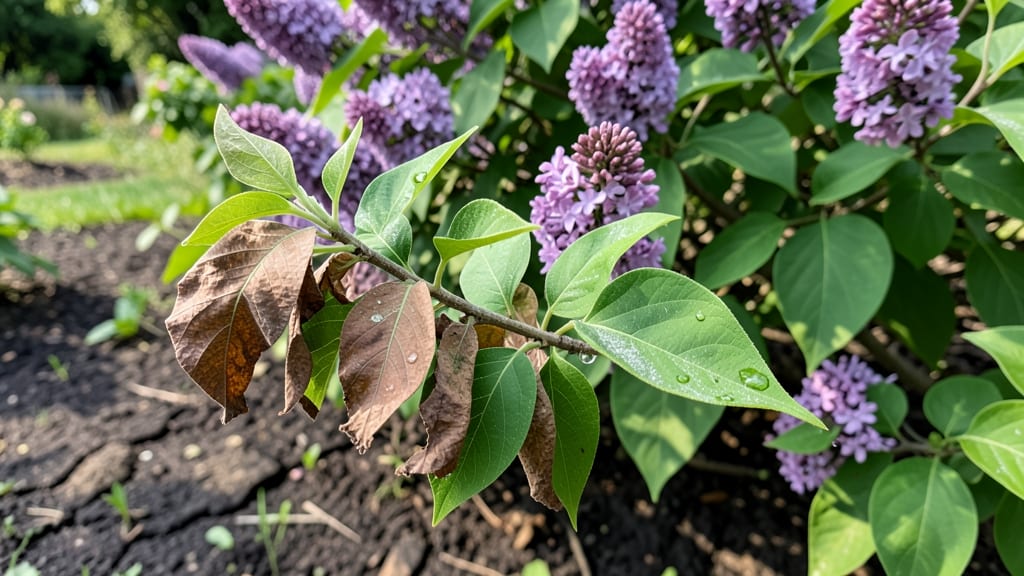
Your lilac tree’s leaves turning brown isn’t a death sentence—it’s a call for action. 🌿 I’ve nursed back more than a few struggling lilacs, and the fix often comes down to three overlooked factors: water, pests, or hidden fungal trouble. The good news?
Each has a straightforward solution, and your tree can bounce back with the right approach. Start by checking the soil—too wet or too dry are the top culprits. Stick your finger 2 inches deep; if it’s soggy, you’re overwatering. If it’s bone-dry, you’ve gone too long without water.
Then flip the leaves: tiny webs or black spots? That’s your next clue. Pests like spider mites or fungal infections like powdery mildew often hide where you least expect them.
The solution depends on the diagnosis: prune browned branches to improve airflow, adjust your watering schedule (deep but infrequent), or apply neem oil for pests and mild fungal issues. Within weeks, you’ll see fresh green growth where there was brown—proof your lilac is fighting back.
Prevention is simple: mulch around the base to keep roots moist but not soggy, prune in late winter before new growth starts, and avoid overhead watering during bloom time. Your tree’s fragrance and color will thank you next spring.
Root Causes Behind Brown Lilac Leaves
When your lilac tree’s leaves start turning brown, it’s often a cry for help from the plant itself. Understanding the why behind the discoloration is the first step to restoring its health—and those stunning purple blooms.
Below, we break down the most common culprits, explained in simple terms with actionable science.
Lilacs are hardy but not invincible. Sudden temperature swings—whether scorching heat or a late frost—can shock the plant, causing leaves to brown and crisp at the edges. Here’s how it happens:
- Heat Stress: Temperatures above 90°F (32°C) for prolonged periods disrupt the tree’s ability to regulate water and nutrients. Cells dry out, leading to necrosis (dead tissue) that appears as brown patches.
- Cold Damage: Frosts below 20°F (-7°C) can rupture cell walls, especially in young leaves. This is why late-spring frosts often turn lilac foliage brown before it even unfurls.
- Windburn: Strong winds dry out leaves faster than the tree can replace moisture, mimicking heat stress.
Pro Tip: 🌡️ Mulch the base of the tree with 2–3 inches of organic matter (like wood chips) to insulate roots and retain moisture. In extreme heat, provide afternoon shade with a lightweight cloth or drip irrigation to cool leaves.
Lilacs hate soggy feet and thirsty roots. Brown leaves often signal a watering imbalance:
- Underwatering: Wilting followed by brown, crispy edges is a classic sign of drought stress. Lilacs need 1–1.5 inches of water per week, but their deep roots mean they’re more resilient than shallow-rooted plants. However, prolonged dry spells force leaves to shut down to conserve water.
- Overwatering: Yellowing leaves that later turn brown and mushy? Root rot may be setting in. Lilacs prefer well-draining soil, and waterlogged conditions suffocate roots, preventing nutrient uptake.
- Improper Watering: Sprinkling leaves (especially in hot sun) causes leaf scorch. Water at the base, early in the morning or at dusk.
Action Step: 💡 Check soil moisture 2 inches below the surface—if it’s dry, water deeply. If it’s soggy, hold off until the top 3 inches dry out. Install a soil moisture sensor for peace of mind.
Brown spots, holes, or a general decline in leaf health? Pests and pathogens are likely the villains. Here’s what to watch for:
| Pest/Disease | Signs | Why It Causes Browning |
|---|---|---|
| Japanese Beetles | Skeletonized leaves (chewed edges), brown frass (poop) on foliage | Beetles feed on leaf tissue, disrupting photosynthesis and causing leaves to brown and drop. |
| Spider Mites | Fine webbing on undersides, stippled (speckled) brown leaves | These tiny pests suck sap, starving leaves of nutrients and leading to necrotic spots. |
| Powdery Mildew | White powdery coating on leaves, which later turn brown and crisp | A fungal infection clogs leaf pores, blocking gas exchange and causing tissue death. |
| Verticillium Wilt | Yellowing between veins, followed by brown, wilting leaves (often starting at the bottom) | A soil-borne fungus blocks water transport in the xylem, leading to irreversible browning. |
Fix It: 🔥 For pests, blast off beetles with a strong stream of water and use neem oil for mites. For mildew, improve airflow and spray leaves with a baking soda solution (1 tsp baking soda + 1 quart water + a drop of dish soap). Verticillium wilt is tricky—remove infected branches and avoid planting susceptible lilacs in the same spot.
Brown leaves can also be a nutritional red flag. Lilacs need a balanced diet, and deficiencies or excesses throw them off:
- Nitrogen Deficiency: Leaves turn pale green to yellow, then brown, especially along the edges. This is common in poor or compacted soil.
- Potassium Deficiency: Brown spots or edges on older leaves (a classic sign of "scorch"). Potassium helps regulate water and disease resistance.
- Iron Chlorosis: Yellowing between veins with brown, crispy edges (often in alkaline soil). Iron is locked out, starving the plant.
- Salt or Chemical Burn: Brown, curled leaves after fertilizing or using herbicides? Over-application of salts or chemicals damages cell membranes.
Solution: 🌱 Test your soil (kits are affordable and available at garden centers) and amend with compost or a balanced 10-10-10 fertilizer in early spring. For iron chlorosis, apply chelated iron or plant in slightly acidic soil (pH 6.0–7.0). Always follow label instructions for fertilizers!
Now that you know the why, the next step is diagnosing which cause fits your lilac’s symptoms. Stay tuned for our troubleshooting guide to pinpoint the exact issue and restore your tree’s lush, green canopy! 🌿
Revive Your Lilac Tree’s Foliage
If your lilac tree’s leaves are turning brown, don’t panic—there’s a solution for every cause! Below, we’ll break down the most common issues and provide step-by-step fixes to restore your tree’s lush, green appearance. Prevention tips are included to keep future blooms vibrant and healthy.
Signs: Yellowing leaves that turn brown, soggy soil, or wilting despite water. Fix: 🔥 Step 1: Check the Soil
- Stick your finger 2-3 inches into the soil. If it feels damp or muddy, your tree is overwatered.
- Pro Tip: 💡 Use a moisture meter for accuracy—ideal soil should feel slightly damp but not saturated.
🍳 Step 2: Improve Drainage
- If your lilac is in a container, add a layer of gravel or perlite at the bottom before repotting.
- For in-ground trees, amend the soil with compost or sand to loosen heavy clay.
👨🍳 Step 3: Adjust Watering Habits
- Water deeply once a week (or less in rainy seasons) and ensure the top 2-3 inches of soil dry out between waterings.
- Avoid watering at night to prevent fungal growth.
⏰ Step 4: Monitor for 2-3 Weeks
- Brown leaves should start to fade as the roots recover. If not, consider raising the tree’s base with a mound of soil to prevent water pooling.
Signs: Crispy, brown edges on leaves, dry soil, or leaves curling upward. Fix: 🔥 Step 1: Water Thoroughly
- Give your lilac a deep soak—water until it drains out the bottom of the pot or seeps into the ground.
- Morning watering is best to reduce evaporation.
🥘 Step 2: Mulch for Moisture Retention
- Spread 2-3 inches of mulch (wood chips or straw) around the base (but not touching the trunk) to lock in moisture.
- Pro Tip: 🌡️ Mulch also protects roots from extreme temperature swings.
🎯 Step 3: Provide Shade Relief
- If your tree is in full sun, consider light shade cloth during peak afternoon heat (12 PM–4 PM).
- Move potted lilacs to a slightly shadier spot temporarily.
✨ Step 4: Trim Damaged Leaves
- Snip off completely brown or crispy leaves to redirect energy to healthy growth.
Signs: Brown spots with yellow halos, white powdery residue, or leaves dropping prematurely. Fix: 🔥 Step 1: Remove Infected Leaves
- Prune and dispose of (not compost) all brown or spotty leaves to stop the spread.
🔪 Step 2: Apply Fungicide
- Spray with a copper-based fungicide or neem oil solution (1 tbsp neem oil + 1 quart water + a drop of dish soap).
- Reapply every 7–10 days until new growth appears.
🌡️ Step 3: Improve Airflow
- Thin out dense branches to allow sunlight and air circulation.
- Avoid overhead watering—use a soaker hose or drip irrigation instead.
💡 Prevention Tip: 🌿 Plant lilacs in full sun (6+ hours/day) to reduce humidity around leaves.
Signs: Sticky residue (honeydew), tiny webs, or holes in leaves. Fix: 🔥 Step 1: Blast Off Pests
- Spray leaves with a strong stream of water to dislodge pests.
- For stubborn infestations, use insecticidal soap (follow label instructions).
🍳 Step 2: Introduce Beneficial Insects
- Ladybugs and lacewings naturally prey on aphids. Buy them online or from garden centers.
👨🍳 Step 3: Prune Heavily Infested Branches
- Cut and burn or bag (don’t compost) severely damaged branches to eliminate hiding spots.
⏰ Step 4: Monitor & Repeat
- Check leaves weekly and treat again if pests return.
Signs: Yellowing between veins (iron/chlorosis), stunted growth, or small leaves. Fix: 🔥 Step 1: Test Your Soil
- Use a DIY soil test kit (available at garden centers) to identify deficiencies.
🥘 Step 2: Fertilize Correctly
- For iron deficiency: Apply chelated iron or Epsom salt (1 tbsp per gallon of water, sprayed on leaves).
- For nitrogen: Use a balanced fertilizer (10-10-10) in early spring.
- For zinc: Sprinkle zinc sulfate around the base and water thoroughly.
💡 Prevention Tip: 📊 Mulch annually with compost to replenish nutrients naturally.
With these targeted fixes, your lilac tree should bounce back in 4–6 weeks. Keep an eye on progress, and don’t hesitate to adjust care as needed. A little TLC goes a long way in restoring those stunning blooms!
Frequently asked questions
Why are my lilac leaves turning brown only at the edges?
This is often a sign of underwatering or heat stress. Lilac leaves curl and develop brown edges when they lose too much moisture faster than the roots can replenish it. Check soil moisture 2 inches deep—if it's dry, give your tree a deep watering in the morning. Mulching with 2-3 inches of organic material helps retain moisture and protect roots from temperature swings.
Can brown lilac leaves turn green again?
It depends on the cause! If the browning is from drought stress or nutrient deficiency, new growth can recover within 4-6 weeks with proper care. However, if the damage is from pests (like spider mites) or fungal diseases (like powdery mildew), you may need to treat the underlying issue first. Always remove severely damaged leaves to redirect energy to healthy foliage.
Is it safe to prune brown leaves from my lilac tree?
Yes, but do it carefully! Use clean, sharp pruners to avoid spreading disease. Remove only completely brown or dead leaves—never prune healthy green tissue. For fungal issues, sterilize your tools with rubbing alcohol between cuts. Prune in late winter or early spring before new growth begins for best results.
Could my lilac tree be dying if the leaves are turning brown?
Not necessarily! While severe browning can indicate serious problems like Verticillium wilt (a fungal disease), most cases are reversible with proper care. Start by checking for root rot (soggy soil) or pest infestations (tiny webs on leaves). If the tree still has some green leaves and new growth appears in spring, it's likely just stressed—not dead. Focus on adjusting watering and improving soil health first.
How often should I fertilize a lilac tree with brown leaves?
If your lilac shows signs of nutrient deficiency (like yellowing between veins), fertilize once in early spring with a balanced 10-10-10 fertilizer. For iron chlorosis (yellowing with green veins), use chelated iron or Epsom salt (1 tbsp per gallon of water). Avoid fertilizing in summer or fall—lilacs are dormant then and don't need extra nutrients. Always water thoroughly after applying fertilizer.