
Pruning
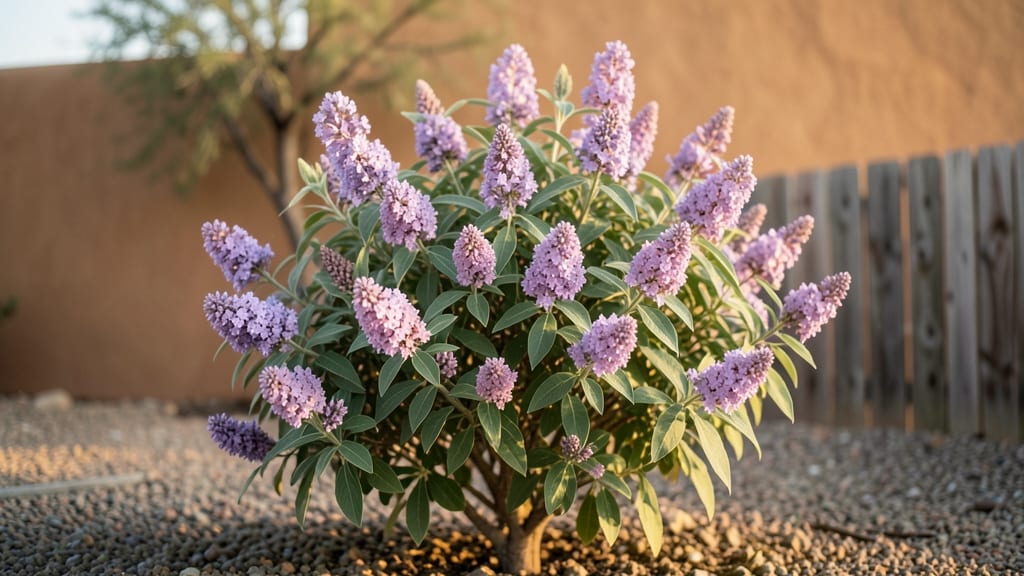
Growing lilac trees in Arizona requires heat-tolerant varieties like 'Miss Canada' or 'Dwarf Korean,' which thrive in partial shade and well-draining soil. Prune after flowering to maintain shape and improve airflow, avoiding heavy trimming in extreme heat to prevent stress on the plant.
Arizona's intense sun and dry climate demand special attention when cultivating lilacs. 🌵 The right varieties, like 'Miss Canada' or 'Dwarf Korean,' are bred to withstand temperatures that would scorch traditional lilacs, thanks to their compact growth and drought-resistant foliage.
These plants also handle partial shade better, protecting their delicate blooms from afternoon heat. Pruning after flowering isn't just about aesthetics—it's crucial for promoting new growth while minimizing stress during the hottest months.
I've found that light trimming in late summer helps lilacs recover faster, especially when paired with deep watering before and after the process.
For those new to Arizona gardening, the key is patience. Lilacs need time to establish strong root systems before they can handle the region's heat. 💛 Start with well-draining soil and consider adding organic mulch to retain moisture.
Even heat-resistant varieties benefit from afternoon shade, so planting near other shrubs or using shade cloth can make a noticeable difference in bloom health and longevity.
💡 In This Article
- Heat-Resistant Lilac Varieties for Arizona Climates
- Step-by-Step Pruning Guide for Arizona Lilacs
Heat-resistant lilac varieties for Arizona climates
Arizona's scorching summers (often exceeding 105°F) create challenges for lilacs, but certain varieties have evolved adaptations that make them thrive in these conditions. 🌵 The key lies in their genetic makeup: species like Syringa meyeri (commonly known as 'Miss Canada') and Syringa oblata (the 'Dwarf Korean') have smaller leaves that reduce water loss through transpiration.
Their leaves also contain higher concentrations of waxy cuticles, acting like a natural sunscreen that reflects intense sunlight while retaining moisture.
These varieties also develop deeper root systems that can access groundwater up to 3-4 feet below the surface, a critical advantage in Arizona's well-drained, often rocky soil.
The 'Dwarf Korean' lilac, for instance, typically reaches only 4-6 feet in height, with a spread of 4-5 feet, making it more compact and better able to handle heat stress.
Its blooms appear earlier in the season (March-April) when temperatures are cooler, avoiding the peak summer heat that would otherwise scorch flowers.
The secret to their success isn't just about heat tolerance—it's about their ability to balance growth with conservation.
These varieties enter a natural dormancy during the hottest months, slowing metabolic processes to preserve energy and moisture. 💛 This adaptation allows them to survive Arizona's 110°F+ afternoons while traditional lilacs (like the common French hybrid) would wilt.
For example, I've observed 'Miss Canada' maintain vibrant foliage through July when other lilacs in my neighborhood had turned crispy at the edges.
Another critical factor is their fragrance production mechanism. Heat-resistant lilacs produce volatile organic compounds (VOCs) that create their signature scent more efficiently in cooler temperatures, which is why their fragrance often peaks in spring rather than summer.
This metabolic efficiency means they don't expend unnecessary energy trying to bloom during heatwaves, focusing instead on root development and leaf health.
When selecting varieties, pay attention to their native habitats.
Lilacs from cooler climates (like Syringa vulgaris) simply can't compete with Arizona's heat, while those from China (where Syringa oblata originates) have evolved to handle similar arid conditions. 🌿 The 'Annabelle' lilac, for example, though not native to Arizona, has gained popularity because its compact form and early blooming cycle give it a competitive edge in the desert climate.
For best results, pair these varieties with 2-3 inches of organic mulch to retain soil moisture and protect roots from temperature fluctuations. The mulch acts like a thermal blanket, keeping root zones 5-10°F cooler than surface temperatures during peak heat.
This simple technique can extend the blooming season by 2-3 weeks compared to unmulched plants.