
Pruning
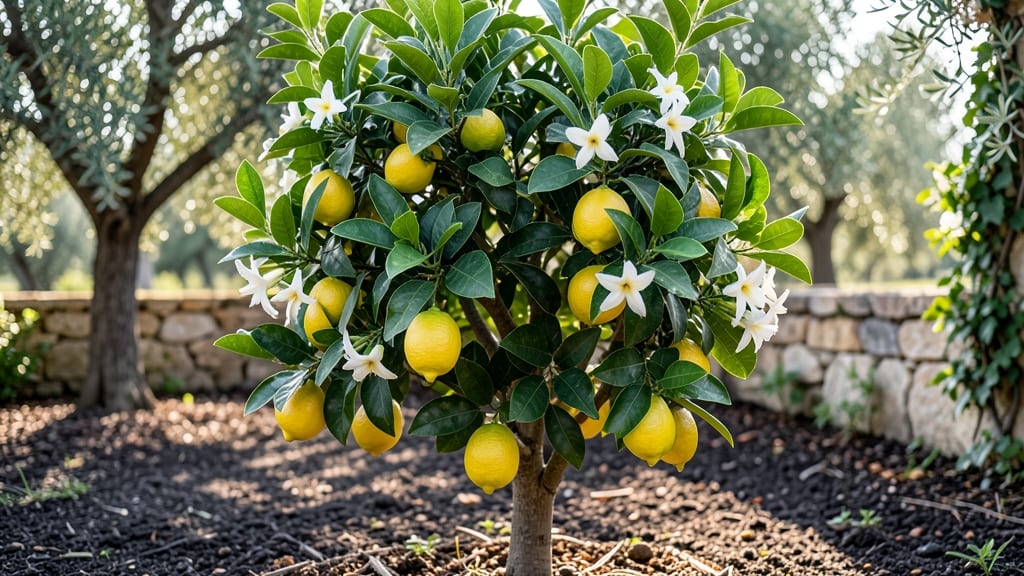
The ideal lemon tree temperature range is 60°F to 85°F, with peak growth occurring between 70°F and 75°F. These citrus trees can handle short cold snaps down to 30°F but face irreversible damage below 28°F, often requiring frost protection like covers or indoor relocation. Prolonged exposure to temperatures above 90°F may stress the tree, especially in dry conditions.
The right temperature range isn't just about survival—it directly impacts fruit production and overall health. 🌡️ Lemon trees enter a semi-dormant state below 55°F, slowing growth and delaying flowering. Conversely, heatwaves above 95°F can cause flower drop, reducing your harvest.
In colder climates, I recommend using frost blankets or moving potted trees indoors near sunny windows during winter. The key is maintaining consistent conditions while allowing natural seasonal transitions.
For container-grown lemon trees, even a single night below 30°F can cause leaf burn, so I always monitor forecasts and prepare protective measures. In warmer zones, proper airflow and shade cloths help prevent heat stress.
Understanding these temperature thresholds lets you create the perfect environment for your lemon tree to thrive year-round.
💡 In This Article
- How Temperature Affects Lemon Tree Growth and Fruit Production
- Cold-Proofing Lemon Trees: Step-by-Step Winter Care Guide
How temperature affects lemon tree growth and fruit production
Lemon trees rely on a delicate balance of warmth to power their metabolic processes. Photosynthesis slows dramatically below 50°F, as the enzymes responsible for converting sunlight into energy become sluggish.
This is why you’ll notice stunted growth during early spring or late fall—your tree isn’t just "resting," it’s physiologically struggling to process nutrients.
The sweet spot of 70°F to 75°F activates peak enzymatic activity, allowing the tree to absorb sunlight at maximum efficiency and produce energy-rich sugars that fuel both leaf and fruit development.
Heat stress becomes a major issue when temperatures climb above 90°F, especially when humidity drops below 40%. The high temperatures cause the tree’s stomata (tiny pores on leaves) to close to conserve moisture, which directly reduces photosynthesis.
Worse, the heat triggers a condition called "flower drop"—when young blossoms abort before maturing into fruit. This is why lemon trees in desert climates often need afternoon shade or regular misting to maintain humidity levels.
Interestingly, the tree’s roots also suffer in extreme heat, as soil temperatures above 85°F can damage fine root hairs responsible for water and nutrient uptake.
Cold damage works differently but is equally destructive. When temperatures dip below 30°F, the tree’s cell walls begin to rupture due to ice crystal formation, causing irreversible damage to leaves and stems.
The roots, being underground, are more vulnerable to frost penetration, which can kill the tree if the ground freezes solid. What’s fascinating is how lemon trees adapt to seasonal changes: they enter a semi-dormant state below 55°F, conserving energy by reducing leaf transpiration and slowing metabolic processes.
This survival mechanism explains why mature trees often bounce back from brief cold snaps, while younger trees suffer permanent damage.
USDA hardiness zones provide a useful framework for understanding lemon tree resilience. Trees thrive in zones 9-11, where winter lows rarely drop below 20°F. In zone 8, growers must use frost protection, while zones 7 and below typically require container cultivation with indoor wintering.
The key difference between zones is how long the tree can endure suboptimal temperatures—what might be a brief cold snap in zone 9 could be a prolonged stressor in zone 7.
This is why container-grown trees offer more flexibility, as you can move them to sheltered locations during cold snaps.
Temperature also influences fruit quality. Lemons grown in ideal 70°F-75°F conditions develop sweeter, more aromatic flesh due to optimal sugar accumulation. In contrast, fruit produced during heatwaves often becomes bitter and seedy as the tree prioritizes survival over reproduction.
The acidity in lemons also varies with temperature—cooler growing seasons produce slightly more tart fruit, while warmer climates yield milder, sweeter varieties. This is why commercial growers in California often harvest lemons in winter when nights are cooler, enhancing flavor profiles for market.
For home growers, understanding these temperature effects means you can time pruning and fertilizing for maximum benefit. Prune lightly after cold snaps to remove damaged growth, and avoid heavy feeding below 60°F as the tree won’t utilize nutrients efficiently.
In heatwaves, focus on root care—deep watering and mulching help maintain soil moisture and temperature stability. The goal is to mimic the tree’s natural preferences: consistent warmth without extreme fluctuations.
What most people don’t realize is how temperature interacts with other factors like light and humidity. A lemon tree in 80°F with high humidity will handle heat better than one in 80°F with dry air. This is why indoor growing often requires a humidifier during winter months.
By mastering these relationships, you’ll create an environment where your lemon tree can focus its energy on producing abundant, flavorful fruit rather than just surviving.