
Trees
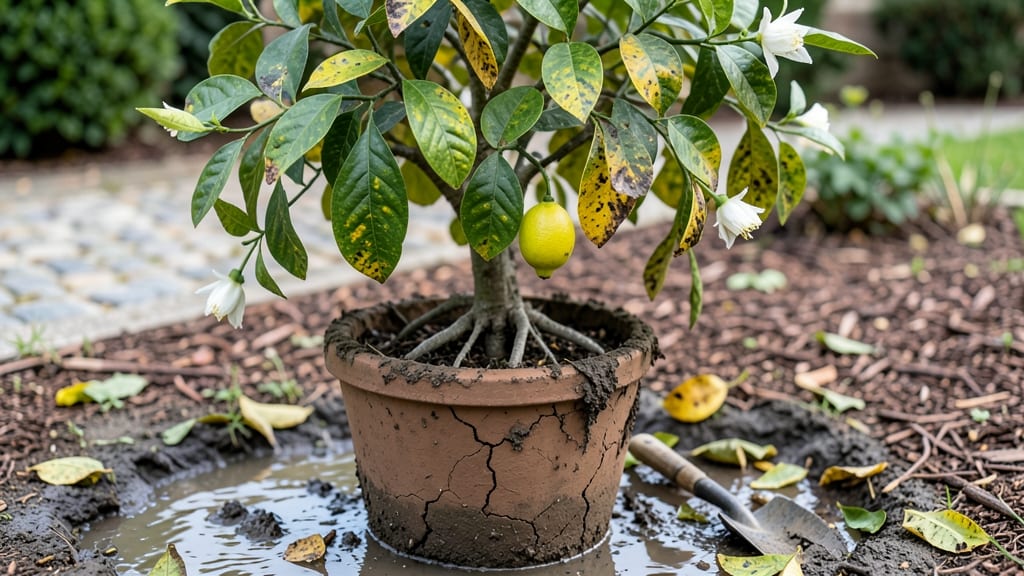
Your lemon tree’s drooping leaves and mushy stems scream one word: overwatered. 🌱 The good news? Root rot rescue is possible—if you catch it early and act fast.
I’ve nursed back more than a few soggy trees, and these three signs are your first warning flags before it’s too late.
Yellowing leaves that start at the bottom? That’s your tree gasping for air. Mushy, blackened roots when you gently scrape away soil? Root rot’s already moved in. And if the soil smells like a swamp when you poke it, your tree’s drowning.
The fix starts with cutting back watering to once a week (or less) and improving drainage—no more saucer-style pots or heavy clay soil.
Within two weeks, you’ll see new growth if the roots are still salvageable. Trim any blackened roots with clean shears, repot in fresh, gritty mix (add perlite or sand), and keep the soil just barely damp. The goal? Mimic the Mediterranean climate your lemon tree craves—dry spells between drinks.
Prevention is easier: water only when the top 2 inches of soil are bone dry, and always use pots with drainage holes. A moisture meter is your new best friend—no more guessing.
With these tweaks, your tree will bounce back stronger, and you’ll avoid the heartbreak of losing it to soggy soil.
Root Causes Of Overwatering
Overwatering a lemon tree isn’t just a minor mistake—it’s a silent killer that disrupts the plant’s delicate balance of water, oxygen, and nutrients. Understanding why this happens is the first step to preventing it.
Below, we break down the most common reasons your lemon tree might be drowning in water, backed by science and practical insights.
Lemon trees (Citrus × limon) thrive in well-draining soil because their roots are sensitive to waterlogged conditions. When drainage fails, excess water pools around the roots instead of draining away, creating an anaerobic (oxygen-deprived) environment.
This triggers root rot, a fungal or bacterial infection that gnaws at root tissue.
- Clay-heavy soil: Clay particles compact easily, forming a dense barrier that slows water absorption. Test your soil’s drainage by digging a 6-inch hole, filling it with water, and timing how long it takes to drain. If it takes more than 2 hours, your soil is likely too dense.
- Lack of amendments: Sandy or loamy soil drains well, but unamended garden soil often retains too much moisture. Adding organic matter like compost or perlite improves porosity and aeration.
- Improper container drainage: Pots without drainage holes act like bathtubs for your lemon tree. Even "self-watering" containers can trap excess moisture if not monitored.
💡 Pro Tip: If you’re planting in the ground, consider raised beds or mounds to encourage faster drainage. For containers, use a mix of 60% potting soil, 20% perlite, and 20% coarse sand to mimic ideal conditions.
Many gardeners assume "more water = happier plant," but lemon trees are drought-tolerant once established. Overwatering—whether from frequent light waterings or heavy soakings—disrupts the root zone’s natural rhythm. Here’s why timing and technique matter:
- Surface-level watering: Watering the topsoil without penetrating deeper layers encourages shallow root growth. When you water again before the roots dry out, the upper roots suffocate.
- Ignoring weather conditions: Rain, humidity, and temperature affect evaporation rates. A lemon tree in a humid climate (like Florida) needs 30–50% less water than one in a dry, arid region (like Arizona).
- Automatic irrigation gone wrong: Timers or drip systems set on a fixed schedule don’t account for real-time soil moisture. Many gardeners leave them running during rainy seasons, leading to chronic oversaturation.
🌡️ Science Note: Lemon trees prefer "dry spells" between waterings. The University of California Agriculture & Natural Resources recommends watering deeply 1–2 times per week (adjusting for climate) and letting the top 2–3 inches of soil dry out before the next session.
Sometimes, the issue isn’t how much you water but how the soil behaves. Compacted or hydrophobic (water-repellent) soil prevents water from seeping into the root zone, forcing it to pool on the surface. This is common in:
- Urban or construction sites: Heavy machinery compacts soil, reducing its ability to absorb water. Roots struggle to breathe, and excess moisture lingers.
- Soils with high sodium or organic buildup: Over-fertilization (especially with synthetic salts) or decomposed plant matter can create a crusty, water-resistant layer.
- Newly planted areas: Freshly tilled soil can temporarily repel water until microbes break down organic matter. This is why young lemon trees are more vulnerable.
✨ Fix It: Break up compacted soil with a garden fork or add gypsum (calcium sulfate) to hydrophobic soil. For severe cases, mix in coarse sand or horticultural grit to improve structure.
Potted lemon trees face unique overwatering risks because containers restrict root expansion and dry out faster than ground soil. However, common mistakes can turn them into soggy death traps:
| Mistake | Why It Matters | Solution |
|---|---|---|
| Using saucers without drainage | Trapped water at the bottom of the pot creates a permanent waterlogged zone. | Empty saucers after watering or use a gravel layer at the pot’s base. |
| Small pot size | Roots outgrow the container, leading to root binding and poor aeration. | Repot every 2–3 years into a container 2–3 inches larger in diameter. |
| Peat-based potting mix | Peat retains moisture for weeks, suffocating roots if not balanced. | Switch to a cactus/succulent mix with added perlite or bark. |
🔥 Warning: Even if your pot has drainage holes, never let it sit in standing water. A lemon tree’s roots can rot in as little as 48 hours of saturation.
Revive Your Lemon Tree Now
Overwatering can feel like a death sentence for your lemon tree, but with the right steps, you can nurse it back to health—even if it’s already showing signs of distress. The key is acting fast, diagnosing the root issue (literally), and adjusting your care routine.
Below, we break down practical fixes for each common cause of overwatering, plus prevention tips to keep your tree thriving long-term.
If your lemon tree is soggy, the first rule is halt all watering until the soil dries out. Overwatering creates anaerobic conditions that suffocate roots and invite rot. Here’s how to assess:
- Test the soil: Stick your finger 2–3 inches deep into the soil. If it’s damp or cold, wait before watering again. - Check the pot’s weight: Lift it—if it feels heavy, it’s still too wet.
Drainage holes should be your best friend; if water pools at the bottom, your tree is in danger. - Pro tip: 💡 Use a moisture meter for accuracy, especially if you’re unsure. A reading above 40% means the soil is too wet.
Poor drainage is the #1 culprit behind overwatered lemon trees. Fix it with these quick adjustments:
For Potted Lemon Trees
- Repot if needed: If the pot lacks drainage holes, transfer your tree to a terracotta or fabric pot with holes. Avoid plastic—it traps moisture.
- Add perlite or sand: Mix 20–30% perlite, pumice, or coarse sand into the soil to improve aeration.
A well-draining mix should look like damp sand, not mud. - Raise the pot: Place it on feet or a saucer with pebbles to prevent water from sitting at the bottom.
For In-Ground Lemon Trees
- Amend the soil: Dig in compost, coarse sand, or grit around the root zone to break up compacted soil.
- Create a drainage trench: If your yard has poor drainage, dig a shallow trench (6–12 inches deep) around the tree to redirect excess water.
If your tree has black, mushy roots or a foul smell, root rot may have set in. Act now with these emergency measures:
| Issue | Fix | Tools Needed |
|---|---|---|
| Soft, black roots | Trim affected roots with sterilized pruners, then dust with cinnamon or sulfur (natural fungicides). | Pruners, cinnamon powder |
| Mushy soil | Replace the top 4–6 inches of soil with fresh, dry potting mix. | Garden trowel, new soil |
| Fungal growth | Spray roots with hydrogen peroxide (3%) or a copper fungicide. | Spray bottle, fungicide |
- Pro tip: 🌡️ Never water again until the soil is bone-dry—this can take 1–2 weeks depending on humidity.
Once your tree is stable, rewrite your watering rules:
- Water deeply, but infrequently: Lemon trees prefer dry spells between waterings.
Aim for 1–2 times per week (less in winter). - Water at the base: Avoid wetting leaves to prevent fungal diseases like citrus scab. - Morning watering wins: Water in the early morning so foliage dries quickly. - Mulch properly: Apply 2–3 inches of mulch (wood chips or straw) around the base to retain moisture without suffocating roots.
Prevention is your best tool. Keep these long-term strategies in mind:
- Check humidity levels: Lemon trees hate excess moisture in the air.
Use a dehumidifier in winter or improve airflow with a fan. - Choose the right pot: If repotting, go 1–2 inches larger than the current pot—bigger isn’t always better. - Fertilize lightly: Overwatering + too much fertilizer = root burn.
Use a balanced citrus fertilizer (6-6-6) every 4–6 weeks in spring/summer. - Watch the leaves: Yellowing leaves or dropping fruit? It’s a cry for help—adjust water immediately.
Give your lemon tree a helping hand with these growth boosters: - Prune damaged foliage: Trim yellow or wilted leaves to redirect energy to healthy growth. - Boost sunlight: Lemon trees need 6–8 hours of sun daily.
Move it to a sunnier spot if indoors. - Foliar spray: Mist leaves with seaweed extract or diluted fish emulsion to strengthen recovery.
Final Thought: 🎯 Overwatering is reversible—but speed matters. The sooner you act, the better your lemon tree’s chances of bouncing back. With the right care, you’ll be back to harvesting juicy lemons in no time!
Frequently asked questions
How do I know if my lemon tree is truly overwatered?
Check for these key signs: yellowing leaves starting at the bottom, mushy stems when pressed, and roots that smell foul or appear black and slimy. If the soil stays wet for more than 2-3 days or feels cold to the touch, your tree is definitely drowning. Also watch for wilting despite moist soil—this is a classic overwatering red flag.
Can I save my lemon tree if the roots are already rotting?
Yes, but act fast! Trim all black, mushy roots with sterilized pruners and repot in fresh, gritty soil mix (60% potting soil + 20% perlite + 20% coarse sand). The key is stopping water immediately—let the soil dry completely between waterings. With proper care, new roots can regrow within 4-6 weeks.
What's the best way to fix poor drainage in my lemon tree's pot?
Start by adding a 1-inch layer of gravel or pumice at the pot's bottom, then use a well-draining mix (avoid peat-heavy soils). For existing pots, mix in 20-30% perlite or coarse sand to improve aeration. Terracotta pots work best—they breathe better than plastic. Always empty saucers after watering to prevent standing water.
How often should I water my lemon tree after fixing overwatering?
Let the top 2-3 inches of soil dry completely before watering again—this usually means 1-2 times per week in summer, less in winter. Test with your finger: if the soil feels dry at 2 inches deep, it's time. Morning watering is ideal so foliage dries quickly, preventing fungal issues.
Will my lemon tree ever produce fruit again after overwatering?
It depends on how severe the damage was! If roots are salvageable and you correct watering habits immediately, your tree can recover and fruit within 6-12 months. Young trees may take longer to rebound, but with proper care (sunlight, balanced fertilizer), you'll see new growth and eventually flowers. Patience is key—don't fertilize until new roots establish.