
Blooming
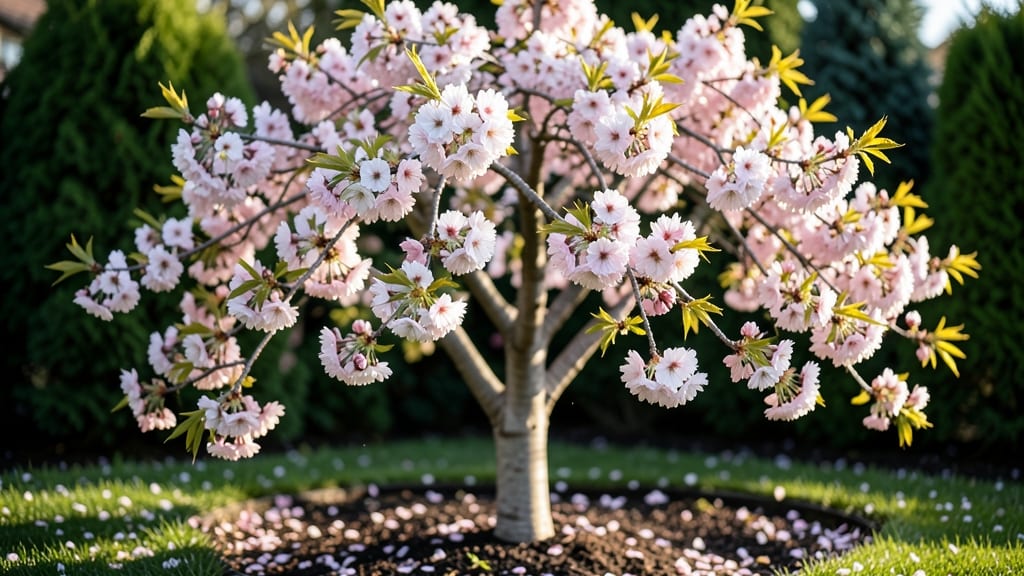
Finding a japanese cherry blossom tree nearby transforms your yard into a seasonal dream. 🌸 I planted mine last spring, and now my small front yard bursts with pink clouds every April—no fancy estate required.
The key is knowing where to look and how to make the most of their fleeting beauty. These trees thrive in urban parks, college campuses, and even some city nurseries. Call your local arboretum or check community Facebook groups—people love sharing their blossom spots.
For small yards, dwarf varieties like 'Shirofugen' or 'Kiku-shidare-zakura' fit perfectly, offering the same magic in a 15-foot package. You'll love the way they frame your patio or walkway when in bloom, then provide shade all summer.
Pair them with spring bulbs like daffodils or wisteria vines to extend the show. Just remember: they need well-draining soil and full sun to reward you with those iconic blooms. The best part? You don't need a big yard to enjoy them.
Many cities plant street trees—just walk around your neighborhood in late March and you might find your own pink canopy waiting. Here's how to make the most of what's already out there!
📚 In This Guide
- What you need
- Instructions
- Tips and common mistakes
- Wrapping up and next steps
What you need
- ● Japanese cherry blossom tree: Choose a Prunus serrulata cultivar suited for small spaces (e.g., Prunus × yedoensis 'Akebono' or Prunus serrulata 'Kanzan'). Opt for a 1-3 gallon container-grown sapling (5–10 ft mature height) or a bare-root tree for cost savings.
- ● Planting site: Sunlight: 6+ hours of full sun daily (partial shade tolerated but reduces blooms).
- ● Space: 10–15 ft diameter for root spread (dwarf varieties need 6–8 ft).
- ● Soil: Well-draining, slightly acidic (pH 5.0–6.5). Amend heavy clay with 3–5 inches of compost or organic matter (e.g., peat moss, pine bark fines).
- ● Planting tools: Shovel or digging spade (for container-grown trees, use a trowel for precision).
- ● Garden fork (to loosen soil in compacted areas).
- ● Wheelbarrow or bucket (for mixing soil amendments).
- ● Mulch: 3–4 inches of organic mulch (e.g., shredded bark, pine straw, or wood chips) to retain moisture and suppress weeds. Avoid fresh wood chips (they can rob nitrogen).
- ● Watering supplies: Hose with soaker nozzle or drip irrigation kit (critical for deep watering).
- ● Watering can (for potted seedlings or small roots).
- ● Fertilizer: Slow-release granular fertilizer (e.g., 10-10-10 or 5-10-5) 1–2 tbsp per year (apply in early spring).
- ● Organic options: Composted manure or fish emulsion (diluted per label).
- ● Root stimulator: Mycorrhizal fungi powder or seaweed extract to boost root growth during planting.
- ● Tree support: Stakes and ties (if planting in windy areas or with heavy blooms).
- ● Soil test kit: To check pH and nutrient levels before planting ($10–$20).
- ● Pruning tools: Bypass pruners (for small branches).
- ● Loppers (for thicker stems).
- ● Pest control: Neem oil or horticultural oil (for aphids or spider mites).
- ● Bird netting (to protect blooms from hungry birds!).
How to select and enjoy Japanese cherry blossom trees in your small yard
Transform your space into a seasonal paradise with these delicate blooms—here's how to find, plant, and care for them.
🌱 Step 1: Choose the Right Variety for Your Space
Japanese cherry blossoms come in dwarf and standard varieties, making them perfect for small yards. Look for 'Akebono' or 'Shirofugen'—both stay under 15 feet tall and bloom profusely. These varieties thrive in USDA Zones 5-8, so check your local climate zone before purchasing. I always verify the mature height and spread to ensure it fits my yard's dimensions.
Dwarf varieties like 'Royal Celebration' are ideal for containers or tight spaces, while slightly larger types like 'Kanzan' offer dramatic canopies without overwhelming small yards. Visit a local nursery in early spring to see which varieties are best suited for your area's microclimate.
☀️ Step 2: Select the Perfect Planting Location
Japanese cherry blossoms need full sun—at least 6 hours daily—for optimal flowering. A south-facing spot with afternoon shade in hot climates works best. I always avoid planting near large trees that will compete for nutrients and water. The soil should be well-draining but moist, so amend heavy clay with 2-3 inches of organic matter like compost.
Consider the tree's future canopy when positioning. Place it at least 10 feet away from structures, sidewalks, or driveways to prevent root interference and give it room to grow. A slight slope helps with drainage, reducing the risk of root rot during heavy rains.
🪴 Step 3: Plant with Care for Long-Term Health
Dig a hole twice as wide as the root ball but no deeper to avoid burying the graft union. Gently loosen the roots if they're circling the root ball, then place the tree in the hole and backfill with native soil. Water deeply to settle the soil and eliminate air pockets. I always add a 2-inch layer of mulch around the base, keeping it 3 inches away from the trunk to prevent rot.
Stake the tree only if necessary—young, top-heavy varieties like 'Shirotae' may need temporary support in windy areas. Use two stakes on opposite sides and tie the trunk loosely with soft fabric strips to avoid girdling. Water 2-3 times per week for the first month to help roots establish, then taper off to once weekly once established.
✂️ Step 4: Prune and Maintain for Seasonal Beauty
Prune in late winter or early spring before buds swell, removing any dead, crossing, or weak branches. Japanese cherry blossoms bloom on old wood, so avoid heavy pruning that removes flowering wood. I always use clean, sharp pruners to make cuts just outside the branch collar for a smooth heal.
Fertilize in early spring with a balanced, slow-release fertilizer (10-10-10) to encourage healthy growth. Avoid high-nitrogen fertilizers, which promote leafy growth at the expense of flowers. Water deeply during dry spells, especially in late summer and early fall, to prepare the tree for next year's bloom.
🌿 Step 5: Celebrate the Season and Prepare for Next Year
The magic of cherry blossoms lies in their fleeting beauty—typically 1-2 weeks of peak bloom in spring. To extend the display, plant multiple varieties with staggered bloom times. I love pairing 'Akebono' (early bloomer) with 'Shirotae' (late bloomer) for a longer season of color.
After the petals fall, rake up debris to prevent fungal diseases. In fall, apply a 2-inch layer of mulch to insulate roots and retain moisture. Take photos of your tree’s progress—cherry blossoms are a rewarding reminder of nature’s fleeting beauty.
Tips & tricks for perfect Japanese cherry blossom tree planting
These simple strategies will help you create a stunning seasonal display that thrives in your small yard.
Variety Selection: When choosing between 'Akebono' and 'Shirofugen', consider bloom time. 'Akebono' blooms slightly earlier, perfect if you want to extend your viewing window. For container gardening, 'Royal Celebration' is my top pick—it stays compact (under 10 feet) and handles pot life beautifully. Just ensure your container has drainage holes to prevent root rot.
Sunlight Strategy: The 6 hours of daily sun requirement is non-negotiable for optimal blooming, but don't panic if your yard gets less. Place your tree where it gets morning sun and afternoon shade—this works especially well in hot climates where direct afternoon sun can stress the tree. A south-facing window or patio can supplement natural light if needed.
Planting Precision: That 2-inch layer of mulch around the base serves two purposes: it retains moisture and regulates soil temperature. I always use shredded bark mulch because it breaks down slowly and improves soil structure over time. Keep it 3 inches away from the trunk to prevent rot—this is critical for long-term health.
Pruning Wisdom: Remember that cherry blossoms bloom on old wood, so your late winter/early spring pruning should be minimal. Focus on removing only dead, crossing, or weak branches—never cut more than 25% of the canopy at once. For best results, prune on a dry day when branches are easier to see and cut cleanly.
Pro Tips for Japanese Cherry Blossom Tree Nearby
- These simple strategies will help you create a stunning seasonal display that thrives in your small yard.
- Variety Selection: When choosing between 'Akebono' and 'Shirofugen', consider bloom time.
- Sunlight Strategy: The 6 hours of daily sun requirement is non-negotiable for optimal blooming, but don't panic if your yard gets less.
Frequently asked questions
Got questions about bringing the beauty of Japanese cherry blossom trees to your small yard? Here are answers to the most common queries to help you plan with confidence!
When is the best time to plant a cherry blossom tree nearby?
The ideal time to plant a cherry blossom tree is in early spring (March–April) or late fall (October–November). This gives roots time to establish before extreme heat or frost. If you’re in a mild climate, fall planting is often best—just avoid planting when the ground is frozen!
How long does it take for a cherry blossom tree to bloom?
Most young cherry blossom trees take 3–5 years to produce their first flowers, depending on the variety and growing conditions. Dwarf or semi-dwarf varieties may bloom slightly sooner (2–4 years). Patience pays off—once established, they’ll reward you with stunning spring blooms for decades!
Can cherry blossom trees grow in small yards or containers?
Opt for dwarf or semi-dwarf varieties (like ‘Shidare Yoshino’ or ‘Kanzan’) that stay under 15–25 feet tall. For containers, choose a large, sturdy pot (at least 18 inches wide) with drainage holes and well-draining soil. Just ensure it gets 6+ hours of sunlight daily for best results.
Are cherry blossom trees messy? Do they drop lots of petals?
Yes, they’re famously petal-drop happy! While this creates a picturesque “snowfall” effect, it can mean cleanup afterward. To minimize mess, plant them near paths or open areas where petals can be swept away easily. Some varieties (like ‘Somei-Yoshino’) are heavier shedders than others—plan accordingly!
Do cherry blossom trees need winter care?
Cherry blossoms are hardy in USDA zones 5–8, but young trees or those in colder climates benefit from mulching (2–3 inches of organic mulch) to protect roots. Avoid heavy pruning in winter—wait until late winter or early spring for best results. If you’re in a freeze-prone area, consider wrapping the trunk with burlap for extra protection.
What if my cherry blossom tree isn’t blooming?
If your tree isn’t blooming after 5+ years, check these common issues:
- Age: Some varieties take longer—give it time!
- Sunlight: Ensure it gets full sun (6+ hours/day).
- Pruning: Avoid heavy pruning in late winter/early spring.
- Nutrition: Test soil pH (ideal: 6.0–7.0) and fertilize with low-nitrogen, high-phosphorus in early spring.
Wrapping up and next steps
Discovering a Japanese cherry blossom tree nearby can transform your small yard into a breathtaking seasonal masterpiece—without needing a sprawling landscape. These delicate trees bring hanami (flower-viewing) joy, with their soft pink blooms and graceful branches, all while thriving in compact spaces.
Whether you’re drawn to the ‘Kwanzan’ for its vibrant display or the ‘Shirotae’ for its pristine white petals, the key is choosing a variety that fits your yard’s size and sunlight.
Ready to embrace the magic? Start by visiting local nurseries or botanical gardens to see cherry blossoms in person—let their beauty inspire your next gardening adventure! 🌸 With the right tree, you’ll soon be the envy of the neighborhood as spring paints your yard in petal-perfect hues.