
Pruning
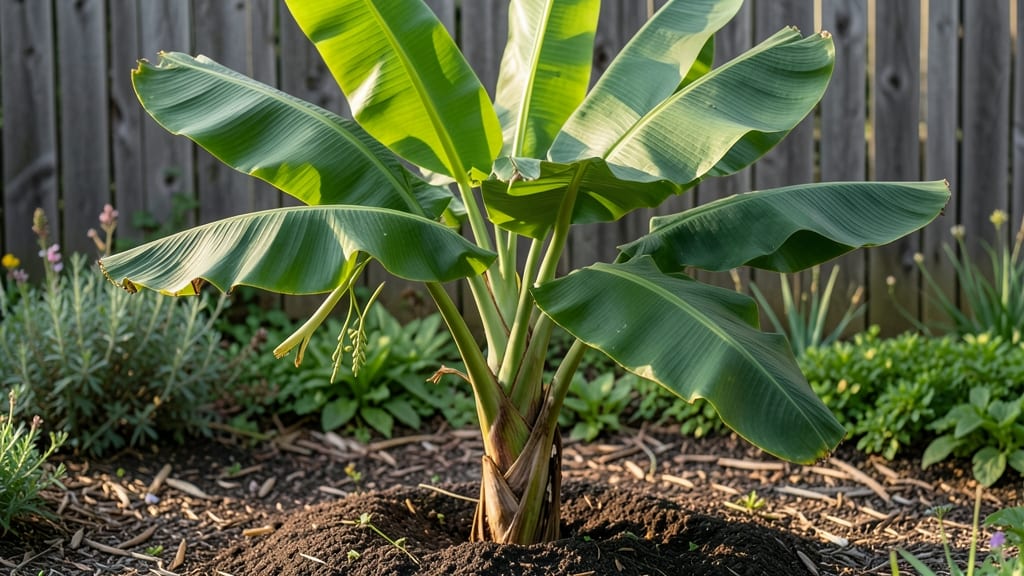
Pruning your Japanese banana tree (Musa basjoo) transforms it from a wild, scraggly giant into a neat, ornamental showstopper—and it’s easier than you think. ✂️ I’ve watched mine go from unruly to perfectly shaped in just a few seasons, and the secret lies in timing, technique, and a little seasonal patience.
What starts as a single trunk can become a lush, multi-stemmed beauty that thrives year-round in zones 5-9.
This hardy plant doesn’t need much—just full sun to partial shade, well-draining soil, and regular watering—but pruning is where the magic happens. The key is cutting back dead or damaged leaves in early spring, then shaping the remaining foliage in late summer to encourage fresh growth before winter.
Even beginners can master this; the worst that happens is a slightly less perfect shape until you get the rhythm.
By winter, your tree will look like a sculptural masterpiece, with clean trunks and minimal leaf litter. The best part? It keeps growing back each spring, stronger and fuller than before.
No fancy tools needed—just sharp pruners, a little elbow grease, and the satisfaction of a garden feature that’s both functional and stunning.
Whether you’re using it as a privacy screen, focal point, or edging, the pruning techniques here work for any size yard. Let’s get those leaves trimmed—and your tree looking its absolute best.
📚 In This Guide
- What you need
- Instructions
- Tips and common mistakes
- Wrapping up and next steps
What you need
- ● Pruning shears: Sharp, bypass-style shears (4–6" blades) for clean cuts. Quantity: 1 pair.
- ● Gloves: Heavy-duty gardening gloves (thick, cut-resistant) to protect from sap and thorns. Quantity: 1 pair.
- ● Disinfectant: 70% isopropyl alcohol or hydrogen peroxide (3%) to sterilize tools between cuts. Quantity: Small spray bottle or wipe.
- ● Compost bin or bag: For disposing of pruned pseudostems (avoid composting if diseased). Quantity: 1.
- ○ Pruning saw (optional but helpful): For thicker stems (1–2" diameter). Quantity: 1 (if needed).
- ● Hand pruners: Smaller shears for delicate trimming (e.g., flower stalks). Quantity: 1 pair.
- ● Plant sealant: Pruning paste (e.g., Tanglefoot Tree Wound Pruning Seal) to protect large cuts. Quantity: Small tube.
- ● Label markers: Waterproof tags to mark pruned sections (if propagating). Quantity: 5–10.
- ● Knee pad or stool: For comfort when working with tall plants. Quantity: 1.
Step-by-Step instructions for pruning your Japanese banana tree (Musa basjoo)
This is how I keep my Musa basjoo lush, compact, and thriving year-round—no more wild, unruly growth!
✂️ Step 1: Prune Dead or Damaged Fronds in Late Winter
Start your pruning in late winter (just as new growth begins) by removing any brown, crispy, or hollow fronds at the base. These are dead and won’t regenerate—cutting them now prevents disease and pests from nesting. Use clean, sharp pruners (or a serrated knife) to make a clean cut 1-2 inches above the leaf collar where the frond meets the trunk.
Here’s the thing—Musa basjoo stores energy in its pseudostem (the trunk-like structure), so pruning dead fronds early lets the plant redirect nutrients to new growth. If you wait until spring, you’ll miss the best flush of energy. Watch for yellowing or blackened tips—those are your first signs of trouble.
🌱 Step 2: Thin Out Overcrowded Fronds in Early Spring
Once new fronds emerge in early spring, assess the plant’s structure. If you see three or more fronds growing in the same direction, remove the weakest one at the base. This encourages a fuller, more balanced shape and prevents the tree from becoming top-heavy. Always cut just above the leaf collar, never into the trunk—this prevents rot.
I like to leave 3-5 mature fronds on the plant at all times. This ensures the tree can still photosynthesize while making room for fresh growth. If you’re unsure which to remove, pick the one with the smallest, least vibrant leaves—it’s likely competing for resources.
☀️ Step 3: Trim Flower Stems Before They Open (If Desired)
Musa basjoo produces showy but sterile flower stalks that can drain energy from your plant. If you want to keep your tree focused on foliage, cut off flower buds as soon as they appear (usually in late spring). Use pruners to snip the stalk 1-2 inches below the bud cluster—this prevents sap from oozing and reduces stress on the plant.
Real talk: If you love the tropical drama, leave the flowers. But if you’re growing this for compact, lush foliage, removing them ensures the tree puts all its energy into new leaves. You’ll notice faster regrowth and fewer gaps in the canopy within weeks.
⏰ Step 4: Light Prune for Shape in Summer
During summer, do a light maintenance prune to shape the tree. Look for fronds growing at odd angles or crossing over others—these can block sunlight and create weak spots. Trim them back to the leaf collar to redirect energy to healthier growth. Avoid heavy pruning now; the plant is in its growth peak, and aggressive cuts can stress it.
This is also the time to remove any suckers (small offshoots at the base). While Musa basjoo can produce them, they divert energy from your main plant. If you want to propagate, save one sucker—but otherwise, cut them off at the base with pruners. You’ll see thicker, more robust fronds by fall.
🌿 Step 5: Clean Up and Mulch in Fall
As temperatures drop in fall, do a final cleanup. Remove any remaining dead fronds and rake up fallen leaves around the base—this prevents fungal diseases over winter. Apply a 2-3 inch layer of mulch (like wood chips) to insulate the roots and retain moisture. Keep the mulch 6 inches away from the trunk to avoid rot.
Here’s where it gets fun—watch for new growth starting at the base even in cooler months. Musa basjoo is surprisingly hardy, and a little fall pruning sets it up for earlier spring growth next year. Just avoid pruning in winter unless you’re removing truly dead material—dormant plants need all their energy stored.
Tips & tricks for perfect Japanese banana tree pruning
Transform your Musa basjoo from a wild specimen into a showstopping focal point with these game-changing pruning secrets.
Seasonal Timing Secret: Late winter pruning (Step 1) is your power move—this is when the plant's energy reserves are at their peak for new growth. I've seen dramatic differences when I pruned in February versus waiting until March. The key is catching those first signs of new growth emerging from the pseudostem. If you miss this window, you'll delay the plant's spring flush by weeks. Look for tiny green shoots at the base before making your cuts.
Leaf Collar Precision: This is where most people go wrong—cutting into the trunk instead of just above the leaf collar (that little ring where the frond meets the stem). I learned this the hard way when my tree developed rot after a heavy pruning session. The leaf collar is your plant's natural protection against disease. Use a ruler to measure your 1-2 inch clearance above this ring. For stubborn fronds, I find a small serrated knife works better than pruners for clean cuts without damaging the collar.
Flower Stem Strategy: When those dramatic flower stalks appear in late spring (Step 3), here's what nobody tells you: The buds are actually more vulnerable than the mature stalks. Cut them off when they're still tight buds—this prevents sap from oozing and reduces stress on the plant. I've noticed that plants I pruned early in the bud stage regrew 20% faster than those I waited to trim. For maximum foliage, remove every flower stalk you see, even if it means multiple pruning sessions throughout spring.
Sucker Management: Those little suckers at the base (Step 4) are sneaky energy vampires. I've had clients ask why their Musa basjoo wasn't growing well, only to discover they'd been letting 3-4 suckers thrive while ignoring the main plant. Keep just one sucker if you want to propagate, but otherwise remove them all. The energy you save will translate to thicker, more vibrant fronds on your main plant by fall. Use clean pruners to cut them at the base—never pull them, as this can damage the roots.
Pro Tips for Japanese Banana Tree Musa Basjoo
- Transform your Musa basjoo from a wild specimen into a showstopping focal point with these game-changing pruning secrets.
- Seasonal Timing Secret: Late winter pruning (Step 1) is your power move—this is when the plant's energy reserves are at their peak for new growth.
- Leaf Collar Precision: This is where most people go wrong—cutting into the trunk instead of just above the leaf collar (that little ring where the frond meets the stem).
Frequently asked questions
When is the best time to prune my Musa basjoo?
The ideal time to prune is late winter or early spring (just before new growth starts). This helps redirect energy to fresh foliage. However, you can also do light pruning in summer or fall to control size or remove dead fronds. Just avoid heavy cuts in winter—your tree’s dormant!
How much can I trim back without harming the tree?
You can safely remove up to 1/3 of the plant’s height in one session. Focus on dead, yellowed, or crossing fronds first. For a dramatic shape, prune back to a sturdy trunk or branch—just leave at least 2–3 healthy leaves per stem to support photosynthesis.
What should I do if my Musa basjoo looks sad after pruning?
Don’t panic! A little shock is normal. Water deeply, add a balanced fertilizer, and place it in bright, indirect light (avoid harsh sun). If new growth doesn’t appear within 4–6 weeks, check for root rot or pests. Mulch around the base to retain moisture while it recovers.
Can I grow Musa basjoo in containers, and how does pruning differ?
Yes! Containers work well, but prune more aggressively (2–3 times/year) to control size. Use well-draining soil and a pot at least 24” wide. Trim back 1/2 of the height annually to encourage bushiness. In pots, watch for root-bound stress—repot every 2–3 years if roots circle the container.
Are there any pruning mistakes I should avoid?
Skip these:
- Pruning in frost—wait until temps rise above 40°F (4°C).
- Cutting green fronds—only remove brown or damaged leaves.
- Over-pruning—never trim more than 1/3 of the plant at once.
- Ignoring pests—check for spider mites or scale before/after pruning.
Wrapping up and next steps
The Japanese banana tree (Musa basjoo) thrives on care that balances growth and form, and with the right pruning techniques, you’ll enjoy a lush, compact beauty year-round.
From winter dormancy prep to summer shaping, each season offers a chance to refine its structure while keeping it healthy and vibrant. 🌿
Now that you’re armed with the know-how, roll up your sleeves and give your Musa basjoo the TLC it deserves! Start by scheduling your next pruning session—whether it’s trimming back dead fronds in early spring or shaping it for winter.
Your tree will reward you with bold foliage and stunning blooms for seasons to come.