
Pruning
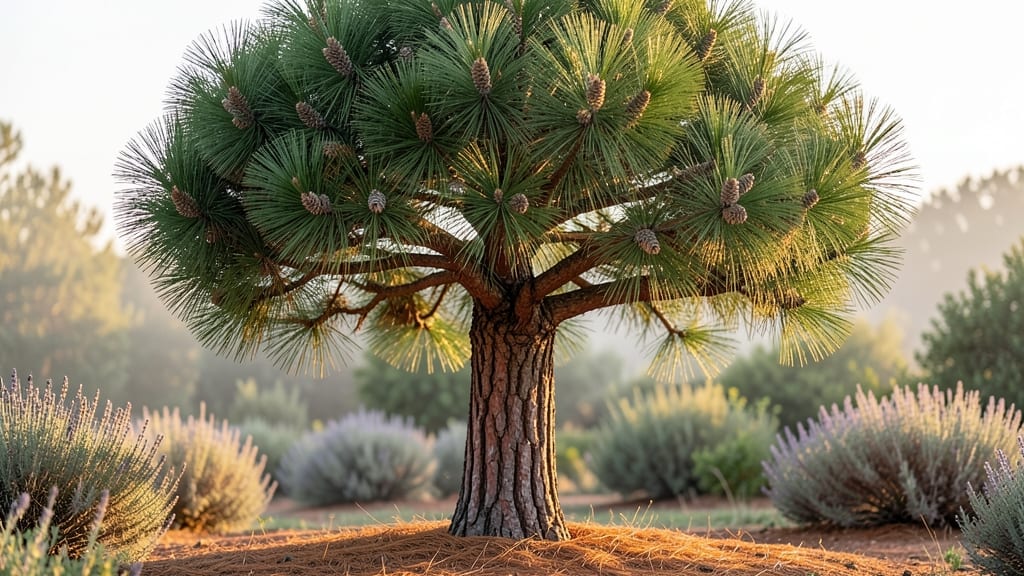
A full-grown Italian Stone Pine Tree 🌲 can tower 60 to 80 feet, casting shade for decades and becoming the centerpiece of any landscape—but only if you understand its exact needs.
Picture this: a 30-foot-tall tree in your backyard, its branches heavy with pine cones that yield edible nuts, while its roots stabilize sandy soil. That’s the potential of Pinus pinea, but only if you plant it in the right spot with the right care.
From Mediterranean coastlines to USDA Zone 6a gardens, this tree’s mature size and spread depend on sunlight, soil, and pruning. Skip those details, and you might end up with a stunted, disease-prone specimen instead of the majestic giant you envisioned.
Here’s what you need to know to nurture a healthy, full-sized Italian Stone Pine—from ideal planting conditions to pruning secrets that keep it thriving for generations.
Italian Stone pine full-grown dimensions: height, spread & growth rate by region
The Italian Stone Pine (Pinus pinea) is a majestic evergreen that can reach 40 to 80 feet tall at maturity, with a 20 to 40-foot-wide canopy. Its growth rate varies dramatically depending on your climate—coastal regions often produce faster growth, while inland areas may see slower development.
Understanding these regional differences helps you predict your tree’s final size and plan accordingly for space and maintenance.
In its native Mediterranean climate, Italian Stone Pines thrive with 1 to 2 feet of annual growth in ideal conditions. In the U.S., USDA Zones 7–10, growth rates can range from 6 to 18 inches per year, depending on soil quality, sunlight exposure, and water availability.
Coastal areas like California’s central coast often see the fastest growth, while inland desert regions may experience stunted growth without proper care.
If you’re planting an Italian Stone Pine in USDA Zone 7 or higher, expect slower growth in inland desert climates compared to coastal areas.
For example, a tree in Southern California’s coastal regions may reach 60 feet in 20–30 years, while one in Arizona’s Sonoran Desert might only grow to 40 feet in the same timeframe. Soil drainage is critical—poor drainage stunts growth and increases disease risk.
To encourage faster growth, plant your Italian Stone Pine in well-draining, slightly acidic to neutral soil (pH 6.0–7.5) with full sun exposure. In coastal climates, where humidity is higher, growth rates can accelerate by up to 30%.
Conversely, inland areas with poor soil may see growth rates drop by 50% or more. Amending soil with compost or sand can significantly improve growth in less-than-ideal conditions.
One key factor in predicting your tree’s size is its root system development. Italian Stone Pines have deep, extensive roots that seek moisture and nutrients. In urban landscapes, where soil may be compacted, consider deep root fertilization or mycorrhizal fungi to boost growth.
Over time, these roots can spread 2 to 3 times the width of the canopy, so plan your planting site accordingly to avoid future root conflicts with structures or other plants.
For those growing Italian Stone Pines for pine nuts, faster growth doesn’t always mean better yields. Trees in Mediterranean climates produce larger cones and higher nut yields due to ideal temperature and rainfall patterns.
In hotter, drier regions, cones may be smaller or less productive. If pine nuts are your goal, prioritize climates with mild winters and moderate summers, such as USDA Zone 8 coastal areas.
Pruning young Italian Stone Pines to encourage a strong central leader can influence final height. If you want a taller, narrower tree, prune lower branches early. For a wider, bushier canopy, allow lower branches to grow naturally.
Remember, pruning after age 10 has minimal impact on mature size but can improve structural integrity and airflow, reducing disease risk.
Monitor your tree’s growth annually by measuring its height and canopy spread. If growth stalls, check for nutrient deficiencies, pest infestations, or poor soil conditions.
In Zone 7 or colder, young trees may experience winter dieback, which can permanently reduce mature height. Protect young specimens with burlap wraps or
Optimal care for mature Italian Stone Pines: pruning, soil & water needs
Once your Italian Stone Pine reaches maturity—typically between 20–30 years—its care shifts from growth-focused to health maintenance. These trees thrive in Mediterranean climates but adapt well to USDA Zones 7–10, including coastal California and Florida.
The key to longevity lies in seasonal pruning, well-draining soil, and watering strategies that match your region’s rainfall patterns.
In California’s coastal regions, where summers are dry and winters mild, mature Italian Stone Pines need minimal irrigation once established. Meanwhile, Florida’s humid climate demands vigilance against fungal diseases like needle blight, requiring proper air circulation through strategic pruning.
Even in their native Mediterranean habitats, these trees rely on deep root systems to survive drought, making mulching a critical practice.
⚠️ WARNING: Pruning Mistakes Can Damage Your Tree
⚠️ Avoid These Pruning Errors
1. Over-pruning in late summer can stress the tree, reducing pine nut production by up to 40%. Limit cuts to 10–15% of the canopy per year.
2. Topping the tree removes the terminal bud, stunting growth and creating weak branch structures prone to wind damage. Always prune selectively from the lower canopy first.
3. Pruning during wet seasons (fall/winter) increases disease risk. Schedule cuts in late winter or early spring (February–March) for Mediterranean climates, or late spring (April–May) in Florida.
For soil health, aim for a pH of 6.0–7.5—slightly acidic to neutral—with sandy loam that drains quickly. In California’s clay-heavy soils, amend with compost and coarse sand to prevent root rot.
A 3-inch layer of mulch (wood chips or pine straw) retains moisture while suppressing weeds, but keep it 6 inches away from the trunk to avoid stem rot.
Watering needs dramatically decrease as the tree matures. Young specimens (5 years old) require deep watering every 7–10 days, but full-grown trees thrive on rainfall alone in most regions.
In Florida’s heat, supplement with 15–20 gallons per week during droughts, focusing on the root zone (not the foliage) to prevent needle blight.
Fertilize only in spring (March) and mid-summer (July) using a balanced 10-10-10 formula. Over-fertilizing can burn roots and reduce pine nut yield. Scatter 2 lbs of fertilizer per 100 sq ft around the drip line, then water deeply to activate nutrients.
Skip fertilization in fall and winter—the tree enters dormancy and doesn’t need extra nutrients.
To encourage pine nut production, prioritize pollination by planting multiple trees (they’re wind-pollinated). In California’s inland valleys, where summers are hot and dry, drip irrigation during cone development (late summer) can boost yields by 25%.
Always monitor for pest activity, like pine bark beetles, which thrive in stressed trees.