
Size
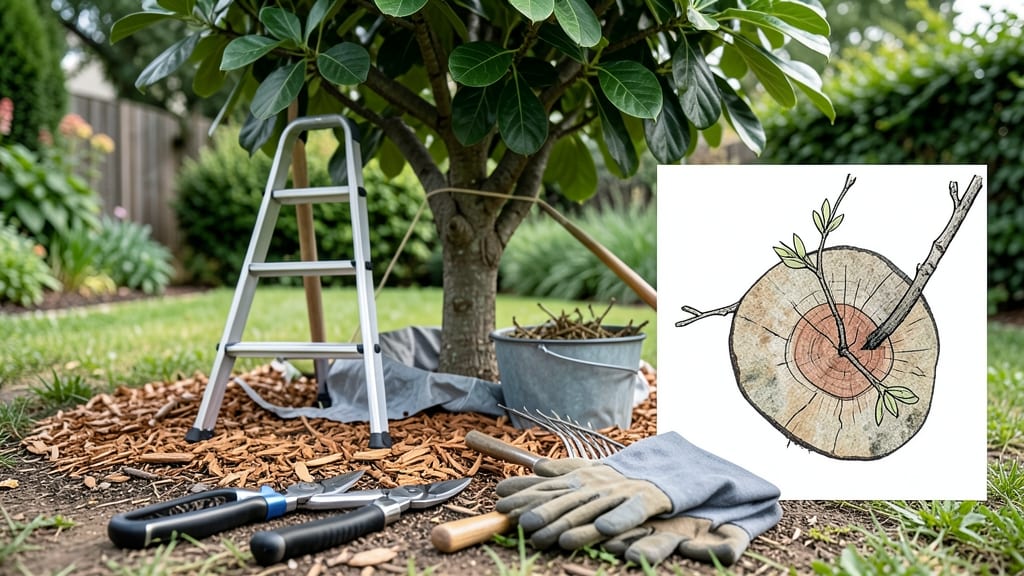
How to stop a pawpaw tree from growing too tall without sacrificing those sweet, custard-like fruits. 🌿 I’ve wrestled with this exact problem—my first tree grew 15 feet in just three years, blocking my patio view—but these pruning tricks keep it lush and manageable while preserving its productivity.
The secret lies in selective pruning during late winter or early spring, before new growth begins. You’ll focus on removing suckers (those aggressive shoots at the base) and thinning out crowded branches to improve airflow.
A sharp pair of bypass pruners and a sterilized saw for thicker branches are all you need—no fancy tools required.
With the right cuts, your pawpaw will stay 8-12 feet tall while still bearing fruit. The tree’s natural shape emerges over time, and you’ll avoid the stress of aggressive topping. Plus, fewer branches mean fewer pests and diseases creeping in.
For those with limited space, dwarf cultivars like ‘Sunflower’ are worth exploring—they top out around 6 feet without pruning. Just avoid root barriers; pawpaws resent being confined underground. Start small, and you’ll enjoy both the fruit and the view.
📚 In This Guide
- What you need
- Instructions
- Tips and common mistakes
- Wrapping up and next steps
What you need
- ● Pruning shears: Bypass pruners with sharp, clean blades (for cuts up to ½ inch in diameter). Quantity: 1 pair
- ● Loppers: Bypass loppers for thicker branches (½ to 1½ inches in diameter). Quantity: 1 pair
- ● Pruning saw: A fine-toothed, curved-bladed saw for branches over 1½ inches. Quantity: 1
- ● Gloves: Heavy-duty, cut-resistant gardening gloves (to protect from thorns and debris). Quantity: 1 pair
- ● Disinfectant: 70% isopropyl alcohol or a 10% bleach solution (to sterilize tools between cuts). Quantity: Small bottle or spray
- ● Rope or twine: For temporarily securing branches during pruning. Quantity: 50+ feet
- ● Ladder: Sturdy, extendable ladder (if the tree exceeds 8 feet tall). Quantity: 1
- ● Safety glasses: To shield eyes from debris. Quantity: 1 pair
- ● Marking spray or paint: Non-toxic, water-based spray (to mark branches for removal). Quantity: Small can
- ● Heavy-duty trash bags: For collecting pruned branches. Quantity: 2-3
- ● Pole saw: For high branches without a ladder (extendable reach up to 10+ feet). Quantity: 1
- ● Tree wound dressing: Pruning sealant (controversial but useful for large cuts). Quantity: Small tube
- ● Work boots: With ankle support for stability on uneven ground. Quantity: 1 pair
- ● Pruning rope: For supporting heavy branches during removal. Quantity: 25+ feet
- ● Extension cord + electric pruner: For large-scale pruning (if available). Quantity: 1 set
How to prune a paw paw tree for controlled height
Here’s how to keep your paw paw tree lush and productive while preventing it from towering over your yard.
🌿 Step 1: Identify the Right Time to Prune
Paw paw trees respond best to pruning in late winter or early spring, just as buds begin to swell but before new growth starts. This timing ensures you’re not removing next year’s fruit-bearing wood. Avoid pruning in fall, as open wounds can invite disease before the tree enters dormancy.
Look for dormant branches—they’ll appear grayish-brown and leafless. The ideal moment is when the ground is thawed but before leaves emerge. If you miss this window, wait until late spring after flowering, but expect slightly less vigorous regrowth that season.
✂️ Step 2: Remove Problem Branches Strategically
Start by eliminating dead, diseased, or crossing branches—these compete for energy and invite pests. Cut back to the main trunk or a healthy lateral branch, making clean cuts at a 45-degree angle just outside the branch collar (the swollen area where the branch meets the trunk). This prevents water from pooling and rotting the wound.
Next, target suckers—those vigorous shoots sprouting from the base or along the trunk. These steal nutrients from fruit production. Use sharp pruners to snip them at ground level. If the tree is already tall, prioritize removing lower branches to open up the canopy and improve airflow.
☀️ Step 3: Control Height with Selective Pruning
To limit height, focus on topping the central leader—the main vertical stem—only if absolutely necessary. Instead, prune lateral branches to redirect growth horizontally. Remove the uppermost buds on the central leader to encourage side branches to thicken and bear fruit.
For dramatic height reduction, cut back one-third of the tree’s height in a single season, but only if the tree is young or overgrown. Older trees may struggle to recover, so spread reductions over 2-3 years. Always leave at least 6-8 feet of height to maintain structural integrity and fruit production.
🌱 Step 4: Post-Pruning Care for Recovery
After pruning, sanitize your tools with rubbing alcohol to prevent spreading disease. Apply a wound sealant (like pruning paint) only to cuts larger than ½ inch—smaller wounds seal naturally. Avoid heavy fertilizing immediately, as new growth is vulnerable to frost or pests.
Monitor the tree closely for epicormic shoots—small sprouts that may appear along the trunk or branches. These are the tree’s attempt to compensate for lost height. Thin them out as they emerge to maintain your desired shape. Water deeply if the season is dry, but avoid overwatering, which can stress the tree.
⏰ Step 5: Maintain Height Long-Term
Schedule annual pruning in late winter to remove water sprouts, deadwood, and any branches growing toward the center of the tree. This keeps the canopy open and reduces disease risk. If the tree starts to outgrow its space again, repeat the selective lateral pruning method.
Paw paw trees naturally grow 20-40 feet tall, but with consistent pruning, you can keep them at 10-15 feet without sacrificing fruit. The key is patience—aggressive pruning can set back production for a season or two, so plan ahead for harvests.
Tips & tricks for managing paw paw tree growth
Between us, the most frustrating part of growing paw paws is watching them shoot up like sky scrapers. Here's how to keep them manageable without sacrificing those delicious fruits.
Timing is Everything: The late winter/early spring window mentioned in Step 1 is your golden hour. I learned this the hard way after pruning too early and watching new growth get frostbitten. Check for swollen buds but no leaves—this means the tree is waking up but hasn't started putting energy into new growth yet. If you miss this window, late spring after flowering is your second chance, though regrowth may be less vigorous.
Pruning Technique Matters: When you're making those 45-degree cuts in Step 2, think of it like surgery—precision matters. The branch collar is your target zone; cutting too close can damage the tree's healing mechanism. I've seen pruners accidentally cut into the trunk and create wounds that never properly seal. For thicker branches, use three small cuts (undercut, top cut, then remove) instead of one big one to prevent tearing.
Height Control Strategy: That one-third height reduction in Step 3 might sound drastic, but it's actually the most effective way to reset an overgrown tree. The key is patience—spreading it over 2-3 years gives the tree time to recover while still maintaining that 6-8 foot minimum. I've seen dramatic transformations by cutting back just 10-12 inches per year rather than trying to do everything at once. This gradual approach prevents shock while still achieving your height goals.
Recovery Care Prevents Setbacks: After pruning, those epicormic shoots in Step 4 are actually a good sign—they show the tree is healthy and trying to compensate. The trick is to thin them out as they emerge rather than letting them grow wild. I've seen trees that looked completely restored after pruning only to get overrun with these shoots if not monitored. A quick check every few weeks keeps them in check without needing drastic measures.
Pro Tips for Stop Paw Paw Tree From Growing Too Tall
- Between us, the most frustrating part of growing paw paws is watching them shoot up like sky scrapers.
- Timing is Everything: The late winter/early spring window mentioned in Step 1 is your golden hour.
- Pruning Technique Matters: When you're making those 45-degree cuts in Step 2, think of it like surgery—precision matters.
Frequently asked questions
When is the best time to prune a paw paw tree to control its height?
The ideal time to prune your paw paw tree is late winter or early spring, just before new growth begins. This timing ensures you don’t disrupt the tree’s energy reserves while still allowing it to recover before summer heat. Avoid pruning in fall, as new growth may not harden off before winter.
Can I prune a paw paw tree too much, and how will I know?
Yes, over-pruning can stress your tree, reducing fruit production or even harming its health. A good rule of thumb is to remove no more than 25% of the canopy in a single year. Signs of over-pruning include excessive leaf drop, stunted growth, or weak, sparse foliage. If you notice these, scale back and focus on lighter maintenance.
Are there natural alternatives to cutting branches to control height?
While pruning is the most effective method, you can slow growth naturally by ensuring proper spacing (plant at least 20–30 feet apart), providing adequate sunlight, and avoiding over-fertilizing with nitrogen. Mulching around the base also helps regulate root growth, indirectly controlling height over time.
What should I do if my paw paw tree starts growing unevenly after pruning?
Uneven growth often happens if cuts aren’t made at the right angles or if the tree’s center is overcrowded. To fix it, focus on opening the canopy by removing inward-growing branches and thinning out dense areas. Always cut just outside the branch collar for clean, healthy regrowth.
Will pruning my paw paw tree reduce its fruit yield?
Not if done correctly! Pruning actually improves fruit quality and yield by increasing airflow and sunlight penetration. However, avoid heavy pruning during fruiting seasons (late summer/fall). Light, strategic pruning in winter/early spring encourages stronger branches that bear more fruit over time.
Wrapping up and next steps
Managing your paw paw tree’s height doesn’t have to be a daunting task—with the right techniques, you can keep it lush and fruitful while maintaining a size that fits your space. Remember: regular pruning, proper timing, and a little patience are your best tools.
Start small, observe your tree’s growth, and adjust as needed.
Now that you’re armed with knowledge, take action! Grab your pruners, schedule that first trim, and enjoy a well-managed paw paw tree that rewards you with delicious fruit for years to come. 🌱✨