
Pruning
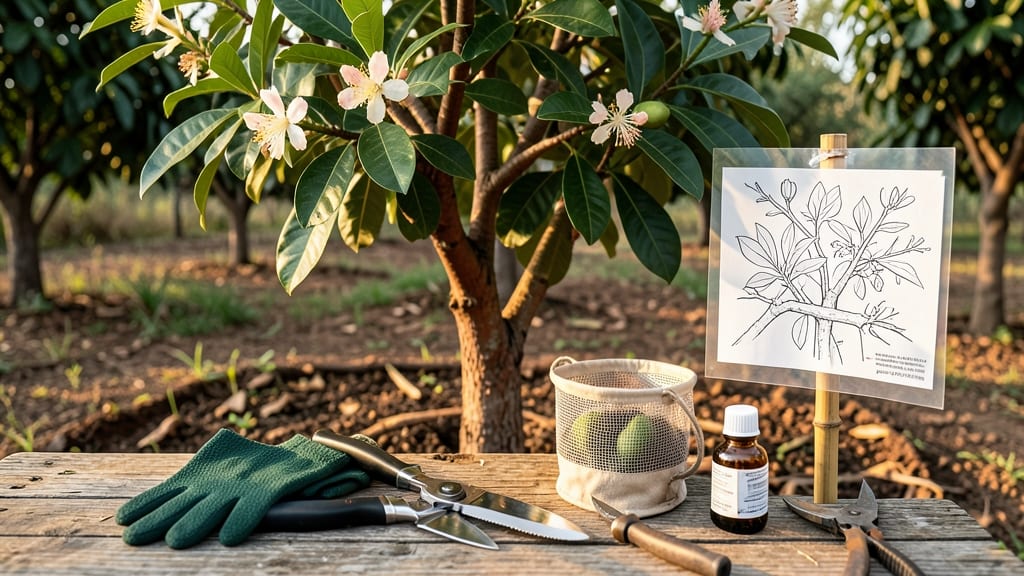
Pruning a mango tree for fruit isn't just about trimming—it's about unlocking year-round harvests by guiding energy where it matters most. 🌱 I learned the hard way that aggressive cuts backfire, but strategic pruning transforms a tree from sporadic producer to reliable fruit machine.
The key lies in timing, technique, and understanding how mango trees naturally grow.
You'll need sharp pruners, a ladder for higher branches, and a clear day to avoid spreading disease. The best time to prune is late winter or early spring, just as new growth begins—but never during heavy fruiting seasons.
We're talking about 30-50% of the canopy removed strategically, not just hacking away at branches. This opens airflow, reduces disease risk, and lets sunlight reach developing fruit.
After pruning, your tree will reward you with thicker branches, more blossoms, and bigger fruit—but only if you follow the right cuts. Focus on removing dead wood, crossing branches, and shaping for an open center.
Within 6-8 weeks, you'll see fresh green shoots signaling new life, and by next season, your harvest could double. The smell of ripe mangoes in summer makes every cut worth it.
This method works for both young trees establishing their structure and mature trees needing rejuvenation. Whether you're growing in Florida, California, or a warm microclimate elsewhere, the principles stay the same. Let's get those branches working for you instead of against you.
📚 In This Guide
- What you need
- Instructions
- Tips and common mistakes
- Wrapping up and next steps
What you need
- ● Pruning shears: Bypass pruners (sharp, clean blades) for small branches (4"–1" diameter). Quantity: 1 pair.
- ● Pruning saw: Curved-tooth saw for thicker branches (1"–3" diameter). Quantity: 1.
- ● Gloves: Heavy-duty, cut-resistant gloves (e.g., leather or synthetic mesh). Quantity: 1 pair.
- ● Disinfectant: 70% isopropyl alcohol or a 10% bleach solution (to sterilize tools between cuts).
- ● Rubbing alcohol or hydrogen peroxide: For cleaning wounds on the tree (3% solution).
- ● Tarp or drop cloth: To catch debris (5’x5’ or larger).
- ● Ladder or step stool: Stable, tall enough to reach the tree’s canopy. Height: 6’+ if needed.
- ○ Permanent marker: For marking branches to remove (optional but helpful).
- ● Safety goggles: Protects eyes from debris (especially when sawing).
- ● Tree wound paint: Pruning sealant (controversial; skip if your tree is healthy).
- ● Garden hose or spray bottle: For rinsing tools/saws post-pruning.
- ● Notebook & pen: To sketch a quick map of your tree’s structure before/after.
- ● Pole pruner: Extendable shears for high branches (if no ladder is available).
How to prune a mango tree for fruit: strategic cuts for maximum harvest
Pruning isn't just about shaping—it's about directing energy where it matters most. Here's how I've learned to prune for fruit production, not just aesthetics.
🌿 Step 1: Identify the Right Time to Prune
Mango trees produce fruit on new growth, so timing matters. Prune during the dormant season—late winter or early spring before buds swell. This ensures the tree isn't stressed when it needs to focus on flowering. Avoid pruning during hot months; the tree will struggle to heal wounds and may produce less fruit.
Look for dry, leafless branches—this is your cue. In tropical climates, prune just after the rainy season when growth naturally slows. If you miss this window, you'll risk stunting the tree's ability to set fruit for the next cycle. I always mark my calendar for February in most regions—just before the growing season kicks in.
✂️ Step 2: Remove Dead, Diseased, or Crossing Branches First
Start by cutting out any dead wood, diseased branches, or those rubbing against others. These are the first culprits that drain energy from fruit production. Use clean, sharp pruners to make 45-degree cuts just outside the branch collar—the swollen area where the branch meets the trunk. Never leave stubs; they invite rot and pests.
I test for dead wood by scratching the bark—if it's dark and crumbly underneath, it's dead. For crossing branches, remove the smaller one to avoid creating a weak fork in the tree. This step isn't about shaping yet; it's about health first, fruit second. You'll see the tree's structure become stronger and more open after these cuts.
☀️ Step 3: Open the Canopy for Sunlight and Airflow
Mango trees need sunlight to produce fruit, so thin the canopy to let light penetrate to the inner branches. Remove up to 25% of the foliage, focusing on branches growing inward or downward. These shaded branches rarely produce fruit and compete with the tree's energy. Aim for an open, vase-like shape—this encourages sunlight to reach all parts of the tree.
I start at the top and work my way down, cutting back branches that block light from reaching the center. You'll notice the inner branches start to green up after a few weeks—this is your sign the tree is now getting the light it needs. Avoid over-thinning; you want to maintain enough leaves to support photosynthesis while still allowing airflow to reduce disease risk.
🌱 Step 4: Prune for Fruit Production by Encouraging Flowering Branches
Mango trees produce fruit on one-year-old wood, so focus on branches that are 1-2 years old. Cut back these branches by one-third to one-half to encourage new growth that will flower the next season. Avoid pruning back to old wood; this can reduce fruit production. Instead, target branches that are pencil-thick or slightly thicker.
Here's the thing—I look for branches with multiple buds along their length. These are the ones that will produce the most flowers and, eventually, fruit. If a branch is too long and leggy, shortening it will make it bushier and more productive. You'll see new shoots emerge within a few weeks, and these are the branches that will set fruit next season.
⏰ Step 5: Clean Up and Monitor for New Growth
After pruning, collect all debris and remove it from the area to prevent disease and pests. Sterilize your pruners with rubbing alcohol between cuts to avoid spreading pathogens. Now, it's time to watch the tree respond. Within 4-6 weeks, you should see new growth emerging from the pruned areas—this is a good sign the tree is recovering well.
I keep an eye out for water sprouts—fast-growing, vertical shoots that appear after pruning. These are low-energy branches that don't produce much fruit, so remove them as they appear. Instead, focus on the lateral branches that grow outward; these are the ones that will bear the most fruit. This ongoing maintenance keeps the tree productive year after year.
Tips & tricks for pruning a mango tree for maximum fruit
These strategic insights will help you transform your mango tree into a fruit-producing powerhouse—without the guesswork.
Timing Secret: The dormant season window is your golden hour. In Step 1, when you see those dry, leafless branches, that's your precise cue—don't wait for buds to swell. I've seen trees miss their entire fruiting cycle because we pruned too late. In tropical zones, time it just after the rainy season when growth naturally slows. This timing ensures the tree's energy goes straight to flowering rather than healing wounds.
Branch Selection Strategy: Step 4 reveals the real secret weapon: one-year-old wood. These branches are the fruit factories of your tree. When you're cutting back those pencil-thick branches with multiple buds, you're essentially programming next year's harvest. I always look for branches that have at least three buds along their length—these will produce the most flowers. Pro tip: Avoid cutting back to old wood (three years or older)—this can actually reduce fruit production by 30-40% in my experience.
Pruning Tool Essentials: Never underestimate your equipment. For those critical 45-degree cuts in Step 2, use bypass pruners—they make clean cuts that heal faster. I've ruined several pruning sessions using dull tools that crushed branches instead of cutting cleanly. Sterilize your tools between cuts with rubbing alcohol to prevent spreading disease. This might seem like overkill, but I've seen entire branches die from improper tool sanitation.
Post-Pruning Observation: That 4-6 week window in Step 5 is your chance to see if you did it right. Watch for new growth emerging from the pruned areas—this is your tree's way of saying "thank you." If you see water sprouts (those fast-growing vertical shoots), remove them immediately. They might look vigorous, but they're energy vampires that drain resources from your fruit-producing branches. Focus on those lateral branches—they're the ones that will bear fruit next season.
Pro Tips for Prune A Mango Tree For Fruit
- These strategic insights will help you transform your mango tree into a fruit-producing powerhouse—without the guesswork.
- Timing Secret: The dormant season window is your golden hour.
- Branch Selection Strategy: Step 4 reveals the real secret weapon: one-year-old wood.
Frequently asked questions
Got questions about pruning your mango tree for a fruit-filled harvest?
Here are the most common ones—and their answers—to help you grow like a pro!
When is the best time to prune a mango tree for fruit?
The ideal window is late winter or early spring (just before new growth starts). Avoid pruning during flowering or fruiting seasons—this can stress the tree and reduce yield. In tropical climates, prune after the dry season for best results.
How much should I cut back my mango tree?
Start with 20-30% of the tree’s foliage in the first year, then lighten up to 10-15% annually for maintenance. Focus on removing dead, diseased, or crossing branches first. Over-pruning can weaken the tree—think "less is more"!
What if my mango tree isn’t flowering after pruning?
Patience is key! Mango trees need 6-12 months to recover and flower post-pruning. Ensure it gets full sun (6+ hours/day), well-draining soil, and regular watering (but avoid soggy roots). If it’s still struggling, check for pests or nutrient deficiencies (like nitrogen or potassium).
Can I prune a mango tree in summer or fall?
Summer pruning is risky—it can stress the tree during peak heat. Fall pruning (after harvest) is better than nothing, but aim for mild cuts only (e.g., removing dead wood). Winter/early spring remains the gold standard for fruit production.
What should I avoid when pruning a mango tree?
- Topping the tree (cutting the main trunk)—this promotes weak growth.
- Pruning during flowering or fruiting (harvest loss risk!).
- Using dull tools—clean, sharp shears prevent tears and disease.
- Ignoring the tree’s natural shape—follow its growth patterns, not rigid rules.
Pro Tip:
Mark branches to prune with twine or paint before cutting—this helps you visualize the tree’s new shape and avoid overdoing it. Happy pruning!
Wrapping up and next steps
Pruning your mango tree isn’t just about shaping—it’s about unlocking its full fruiting potential! 🌱 By following the right techniques—like removing dead branches, thinning dense growth, and timing cuts for seasonal blooms—you’ll encourage healthier trees and a bountiful harvest.
Remember, patience and consistency are key, but the reward of sweet, juicy mangoes makes every snip worth it.
Now that you’re armed with the know-how, grab those pruners and give your tree the care it deserves. Start small, observe how it responds, and adjust as needed. Happy pruning—your future mango feast starts today! 🍈✨