
Size
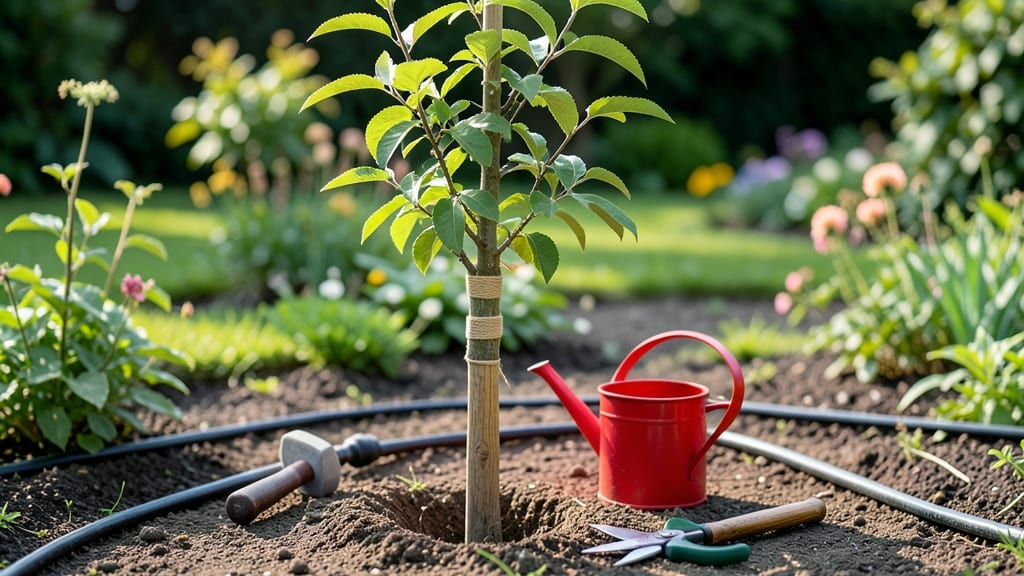
How to make a tree grow straight starts with sunlight and the right support. 🌳 I’ve spent years watching saplings lean like drunkards—until I learned the science of alignment. The key? Balanced light exposure and strategic staking that guides growth without strangling it. Most people overdo the staking or prune at the wrong time, creating weak points. Young trees need gentle guidance—not rigid confinement—that lets them develop strong stems. Even mature trees can be coaxed upright with proper technique, though patience is key. By summer’s end, you’ll see a tree that stands tall on its own, with branches evenly spaced and no awkward bends. The secret lies in observation: checking sunlight patterns, adjusting stakes as the trunk thickens, and pruning only to encourage upward energy. Works for fruit trees, shade trees, and even ornamental varieties. Here’s how to do it right the first time.
📚 In This Guide
- What you need
- Instructions
- Tips and common mistakes
- Wrapping up and next steps
What you need
- ● Young tree or sapling: Choose a healthy, straight-grown seedling (1–3 feet tall) with a sturdy stem. Avoid trees with severe bends or weak trunks.
- ● Stakes (2–4): Use wooden, bamboo, or metal stakes (1–2 inches in diameter, 3–4 feet tall). Opt for untreated wood to prevent chemical leaching.
- ● Soft tree ties or garden twine: Get 3–5 flexible ties (1/4–1/2 inch wide) to secure the tree without cutting into the bark. Avoid wire or anything abrasive!
- ● Supporting hardware: 1–2 stake brackets or T-posts (if using metal stakes).
- ○ Optional: rubber tree collars (to protect the trunk from friction).
- ● Pruning shears: A sharp, sterilized pair for trimming branches that may disrupt growth or shade the trunk.
- ● Sunlight: Ensure your tree gets at least 6–8 hours of direct sunlight daily (adjust for shade-tolerant species).
- ● Well-draining soil: Test soil pH and amend with compost or organic matter if needed (aim for 6.0–7.0 pH).
- ● Water source: A hose with a gentle spray nozzle or drip irrigation system for consistent moisture.
- ● Mulch: 2–3 inches of wood chips or straw around the base (keep it 3–4 inches away from the trunk to prevent rot).
- ○ Growth regulator (optional): A diluted seaweed extract or auxin spray to encourage upward growth (follow label instructions!).
- ● Tree guard: A plastic or wire mesh cylinder to protect young trunks from pests or curious critters.
Step-by-Step instructions for growing trees with perfect alignment
Here's how I ensure trees grow straight and strong—no guessing, just proven techniques.
🌱 Step 1: Choose the Right Planting Spot and Prepare the Soil
Select a location with full sun exposure (at least 6 hours daily) and room for the tree to grow to its mature size. Dig a hole twice as wide as the root ball but no deeper—this encourages roots to spread outward naturally. I always loosen the sides of the hole with a shovel to prevent soil compaction.
Mix the native soil with the removed topsoil and a handful of compost (if available) to improve drainage. The goal is loose, aerated soil that won't suffocate roots. Tap the hole gently to settle the soil before planting—this prevents air pockets that could cause the tree to lean or wobble.
☀️ Step 2: Plant at the Correct Depth and Angle
Place the tree in the hole so the top of the root ball sits level with the surrounding soil. Never bury the trunk too deeply—this can suffocate the base and cause rot. Use a level to ensure the tree stands perfectly upright before backfilling. I like to tie a string to the trunk and let it hang straight down as a visual guide.
Fill the hole with soil, pressing gently around the edges to eliminate air gaps. Water deeply to settle everything—you'll see the soil level drop slightly. This first watering helps the roots make immediate contact with the soil. If the tree leans slightly after watering, it's fine; the roots will stabilize it over time.
🪴 Step 3: Install Stakes and Ties for Support
Drive two 4-6 foot stakes into the ground 6-12 inches away from the trunk, angled slightly outward. Position them opposite each other on the tree's strongest side (usually the side facing the prevailing wind). The stakes should be taller than the tree to provide support as it grows. I use soft tree ties (not wire) to avoid damaging the bark.
Attach the ties to the stakes loosely—you want the tree to have some wiggle room while still preventing excessive movement. Check the ties every 2-3 weeks and loosen them as the trunk thickens. The goal is to guide growth, not restrict it. If the tree starts to lean, adjust the ties gently but firmly to encourage straight alignment.
⏰ Step 4: Maintain Consistent Watering and Light Exposure
Water deeply 2-3 times per week (or daily in extreme heat) until the top 6 inches of soil feel moist. Overwatering is worse than underwatering—you'll know it's right when water drains freely from the bottom of the hole. Mulch the base with 2-3 inches of organic mulch (like wood chips) to retain moisture and regulate soil temperature.
Rotate the tree a quarter turn every 2-3 months so it grows evenly toward all light sources. You'll notice leaves shading one side more than others—this is your cue to adjust its position. Avoid pruning the top unless absolutely necessary; let the tree focus its energy on establishing a strong root system and straight trunk.
🌿 Step 5: Monitor and Adjust for Perfect Growth
Check the stakes and ties monthly to ensure they're not digging into the bark as the tree grows. If you see the trunk rubbing against a tie, loosen it immediately. By 6-12 months, most trees no longer need staking—roots will have anchored them securely. Remove stakes gradually to avoid shocking the tree.
Watch for signs of stress, like yellowing leaves or stunted growth. These usually mean the tree isn't getting enough water, light, or airflow. A perfectly aligned tree should have even foliage distribution, a straight trunk, and strong, upward growth. With patience and consistency, you'll have a tree that stands tall and proud for decades.
Tips & tricks for perfect tree alignment
These little adjustments make all the difference between a crooked sapling and a proud, straight-growing tree.
Soil Prep Secret: When you're loosening the sides of that planting hole in Step 1, go the extra mile by scoring the soil with a garden fork every 2-3 inches. This creates tiny channels for roots to grow into right away—think of it like giving your tree's roots a superhighway instead of a dirt road. The goal is to break up compaction all the way down to the bottom of the hole, not just the top inch.
Level Check: I can't stress this enough about Step 2—your level isn't just for show. After you've placed the tree and filled half the hole, check the level again before adding more soil. Trees have a sneaky way of settling unevenly, and that initial crookedness becomes permanent as they grow. Pro tip: Use a string tied to the top of the root ball as your vertical reference point instead of just the level.
Stake Placement Strategy: For Step 3, here's what nobody tells you about stake placement: The strongest side of your tree (usually the side facing prevailing winds) should have stakes positioned at a 45-degree angle from the trunk, not directly opposite. This triangular support actually prevents the tree from developing a permanent lean toward one side. I've seen trees grow completely straight using this method when they would've leaned without it.
Watering Wisdom: That "deeply 2-3 times per week" guideline in Step 4 is perfect, but here's the real secret: Water in the morning so the roots have all day to absorb moisture before evening evaporation. And when you're checking soil moisture, stick your finger in about 2 inches down—not just the surface. Surface moisture can fool you into thinking the roots are getting enough water when they're actually thirsty.
Pro Tips for Make A Tree Grow Straight
- These little adjustments make all the difference between a crooked sapling and a proud, straight-growing tree.
- Soil Prep Secret: When you're loosening the sides of that planting hole in Step 1, go the extra mile by scoring the soil with a garden fork every 2-3 inches.
- Level Check: I can't stress this enough about Step 2—your level isn't just for show.
Frequently asked questions
Got questions about growing straight, sturdy trees? You’re not alone! Here are answers to the most common concerns—so you can skip the guesswork and get right to planting with confidence.
How much sunlight does a tree need to grow straight?
Aim for 6–8 hours of direct sunlight daily for most trees (e.g., maples, oaks). Too little light causes weak, leggy growth, while too much can stress young saplings. Pro tip: If your yard is shady, choose shade-tolerant species like dogwoods or serviceberries—they’ll still grow upright with proper staking!
When is the best time to stake a tree to ensure straight growth?
Stake trees immediately after planting (spring or early fall) to prevent wind damage. Remove stakes after 1–2 years—over-staking can weaken roots. Warning: Never stake in winter; frozen soil won’t support the tree’s growth.
What if my tree starts leaning even after staking?
Leaning trees often need adjustments: Loosen the stake slightly and reposition the tree, then re-tie the guide wire. For severe leans, use a tree brace (a flexible support) instead of rigid stakes. Remember: Never force a tree upright—gradual correction avoids root damage.
Can I grow a straight tree without staking?
Yes! Some fast-growing, self-supporting trees (like birch or willow) may not need stakes. For others, use weighted branches (e.g., tying a 5–10 lb. rock to a low branch) to encourage upright growth. Monitor closely—wind or uneven growth can still cause issues.
How do I fix a tree that’s already crooked?
For young trees (<5 years), prune the top to shift growth downward and stake the base. Older trees may need professional help—forcing them risks breaking limbs. Alternative: Plant a new tree nearby and use it as a screen!
| Quick Fix? | Long-Term Solution |
|---|---|
| Adjust stakes/wires | Choose wind-resistant species |
| Prune uneven branches | Improve soil drainage |
Wrapping up and next steps
Growing a straight tree is all about patience, consistency, and a little extra care—just like nurturing any living thing! 🌱 By ensuring proper sunlight exposure, staking techniques, and regular pruning, you’ll guide your tree toward strong, upright growth.
Remember, even the tallest trees start small, so trust the process and celebrate small victories along the way.
Ready to see your efforts pay off? Start with just one tree—pick a healthy sapling, follow these steps, and watch it thrive. Happy gardening! 🌿