
How To
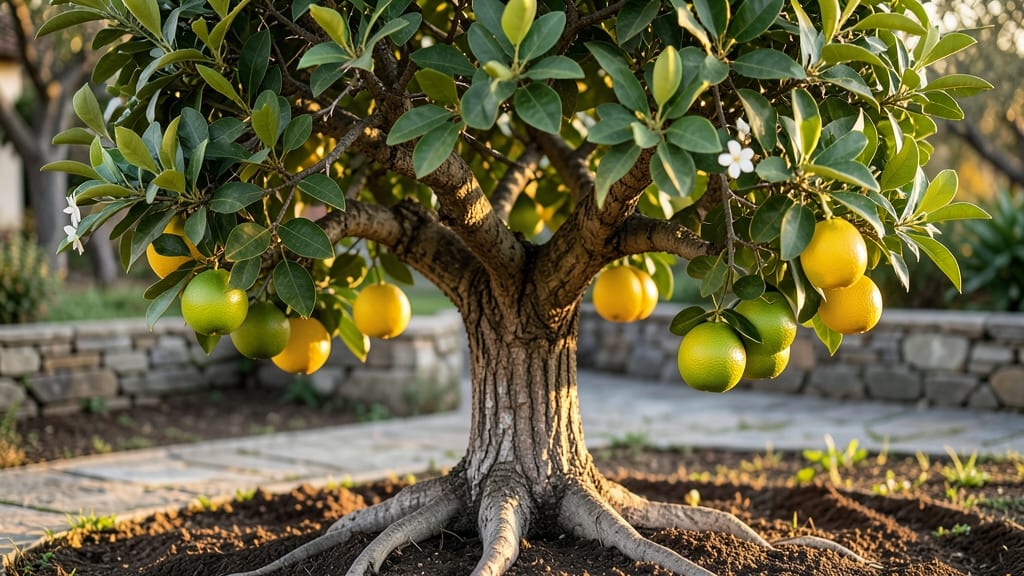
A grapefruit tree grows anywhere from 8 feet to towering 30 feet tall, depending on its variety and care—so your backyard plans may need a little more thought than you expected.
Picture this: a Ruby Red grapefruit tree in your backyard, its branches heavy with fruit, but suddenly realizing it’s going to outgrow your space in just a few years. That’s why knowing the height range of your chosen variety is the first step to successful citrus gardening.
Whether you’re working with a dwarf variety (perfect for containers) or a standard tree (ideal for large yards), the height can change dramatically based on pruning, sunlight, and even the type of rootstock used.
In this guide, I’ll break down the height ranges by variety, share tips for controlling growth, and help you decide if a grapefruit tree is the right fit for your space—whether that’s a balcony or a full backyard.


Grapefruit tree height by variety: dwarf to standard size ranges
Choosing a grapefruit tree variety isn't just about flavor—it's also about space. Some varieties stay compact enough for container growing, while others reach two-story heights, making them better suited for sprawling backyards.
The key difference often lies in the rootstock used during propagation, which dramatically influences mature height and growth rate.
For example, Ruby Red grapefruit trees grown on Swingle rootstock typically stay between 10-15 feet tall, while the same variety on standard rootstock can soar to 20-30 feet. Understanding these differences helps you select the perfect tree for your garden layout or urban patio without sacrificing fruit production.
The White Marsh grapefruit is one of the most popular dwarf varieties, thanks to its 8-12 foot mature height when grafted onto Cleopatra mandarin rootstock. This makes it ideal for container gardening in USDA zones 9-11, where space is limited but you still want fresh fruit.
Even in pots, these trees can produce 50-100 pounds of fruit annually if cared for properly.
If you're considering Oroblanco grapefruits, expect a slightly taller 12-18 foot tree on Swingle rootstock. These trees strike a balance between manageable size and high yield, making them perfect for medium-sized backyards.
Their pinkish-white fruit is also less acidic than Ruby Red, appealing to those who prefer milder flavors.
For standard-sized grapefruit trees, Thompson Pink and Star Ruby varieties often reach 20-30 feet tall, requiring significant space. These are best suited for rural properties or commercial orchards, where their vigorous growth and large fruit size can be fully utilized.
However, even these giants can be kept smaller with regular pruning and rootstock selection.
One common misconception is that all dwarf grapefruit trees stay under 10 feet tall. While White Marsh and similar varieties often fit this description, others like Oroblanco may exceed this range. Always check the rootstock type when purchasing, as this determines 90% of the tree's mature height.
For example, Carrizo Citrange produces taller trees than Cleopatra mandarin, even with the same scion variety.
When planning your grapefruit orchard, consider not just the tree height but also the spread. Standard varieties can grow 15-20 feet wide, while dwarf trees typically stay within 8-12 feet.
This affects spacing requirements—planting standard trees too close can lead to overcrowding, reduced airflow, and higher disease risk. Always follow USDA spacing guidelines for your specific variety.
For container growers, Ruby Red on Swingle rootstock is a top choice, fitting well in 50-gallon pots with proper care. However, even dwarf trees need adequate drainage and regular repotting every 2-3 years to accommodate root growth.
Without these steps, stunted growth and poor fruit production can occur, despite the tree's genetic potential.
Understanding these height
Factors that influence grapefruit tree height and growth rate
Understanding what influences your grapefruit tree's growth is key to planning its perfect spot in your garden. The height of a grapefruit tree depends heavily on its variety, but environmental factors like sunlight exposure and soil quality play equally critical roles.
For example, a Ruby Red grapefruit on a standard rootstock can reach 20-30 feet tall, while the same variety grafted onto a dwarfing rootstock might max out at 8-12 feet. These differences make all the difference when choosing where to plant.
Your grapefruit tree's growth rate also responds dramatically to watering practices and pruning techniques. In USDA hardiness zones 9-11, where grapefruit trees thrive, consistent moisture and strategic pruning can accelerate growth by 30-50% compared to neglected trees.
Even the container size you choose for dwarf varieties affects how tall they grow—root-bound trees often grow slower and may even become stunted if not repotted regularly.
- 1
- 2
- 3
- 4
- 5
If you're growing grapefruit trees in containers, the pot size directly impacts height—dwarf varieties like Foster grapefruit need 15-gallon containers to reach their 8-12 foot potential, while standard varieties require 50+ gallons to avoid root binding.
Container-grown trees also benefit from regular repotting every 2-3 years to prevent stunted growth caused by circling roots.
Another critical factor is your pruning approach. Structural pruning in early spring removes suckers and water sprouts, directing energy upward and increasing height by 1-2 feet annually. Avoid heavy pruning in late summer, as this can reduce next year's growth by up to 30%.
For container trees, topping back the central leader can encourage bushier growth, which may slightly reduce overall height but improves fruit production.
Lastly, fertilization practices play a surprising role in height. A balanced citrus fertilizer (6-6-6 NPK) applied every 4-6 weeks during the growing season can boost growth rates by 25-40%.
However, over-fertilizing with nitrogen leads to excessive leafy growth at the expense of height—always follow package instructions to avoid this common mistake. In USDA zone 10, where I grow my trees, a light feeding in fall helps prepare the tree for winter and supports faster spring growth.
By mastering these factors, you can control your grapefruit tree's height and ensure it thrives whether you're aiming for a balcony-sized dwarf or a backyard giant. Start with the right rootstock and container, then adjust sunlight, water, and pruning to match your space and goals.
With the right care, even a standard grapefruit tree can reach its full 20-30 foot potential in 5-7 years—or stay compact if you prefer! 🌱