
How To
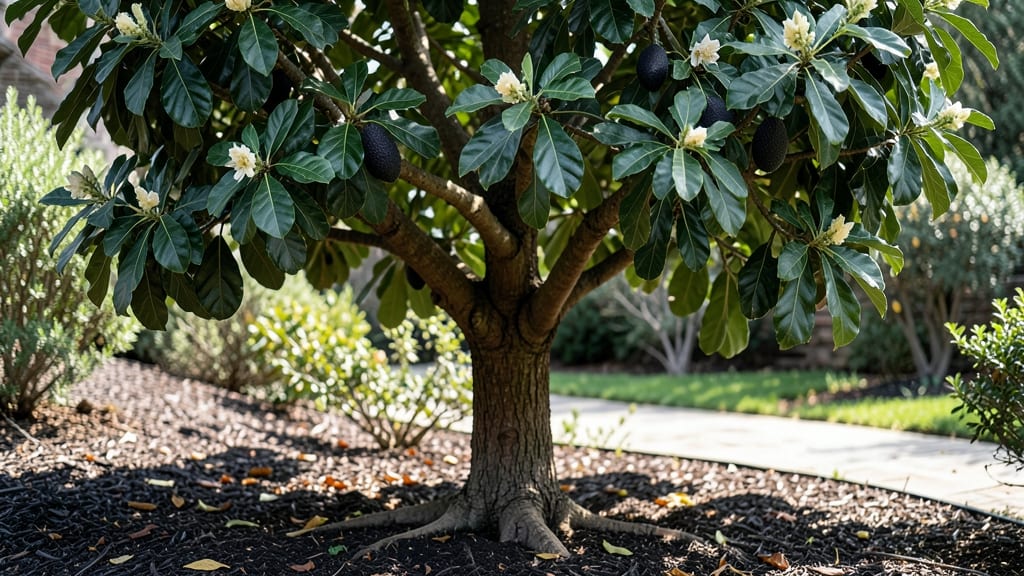
How tall does an avocado tree grow? The answer depends on the variety and care you provide, with heights ranging from a compact 10 feet to a towering 80 feet.
If you’re dreaming of growing your own avocados but worried about space, you’re in the right place—avocado tree heights can vary dramatically depending on the variety, from compact dwarfs to towering giants.
Standard avocado trees like Hass or Fuerte can reach 60+ feet in ideal conditions, while dwarf varieties stay under 15 feet, making them perfect for patios or small gardens.
In this guide, I’ll break down the height ranges by variety, share tips for controlling growth, and help you choose the right size for your space—whether you want a fruit-bearing giant or a manageable container-friendly dwarf.


Avocado tree height by variety: dwarf vs standard vs giant sizes
Choosing the right avocado tree variety depends entirely on your space—some stay compact enough for patio containers, while others grow into towering giants that need acres. The difference? Grafting techniques and natural growth habits.
For example, a standard Hass avocado tree can reach 60+ feet in ideal conditions, but a dwarf grafted version stays under 10 feet—making it perfect for urban gardens.
Your avocado tree’s mature height isn’t just about aesthetics—it affects fruit production, pruning needs, and even container size if you’re growing in pots.
Some varieties, like the Reed avocado, naturally stay shorter (30-40 feet), while others, like the Fuerte, can stretch toward 80 feet without intervention. Let’s break down the height ranges by variety so you can pick the perfect fit for your space.
🌱 Pro Tip: Dwarf varieties are grafted onto dwarf rootstock, which stunts their natural growth. Without grafting, even "dwarf" varieties can grow much taller over time.
If you’re growing avocados in containers, focus on dwarf varieties like Wurtz or Lamb Hass, which thrive in 15-20 gallon pots. Even these compact trees need regular pruning to maintain
How to control avocado tree height: pruning, grafting, and container tips
Avocado trees can grow into towering giants—some reaching 60+ feet—but with the right techniques, you can keep them compact and manageable. Whether you’re working with a dwarf variety or a standard tree, controlling height is all about timing, tools, and a little horticultural know-how.
Let’s dive into the best methods to keep your avocado tree at your desired height without sacrificing fruit production.
Pruning is the most common way to manage height, but it’s not just about cutting branches—it’s about understanding growth patterns and when to intervene. For example, young trees grow rapidly, so early pruning sets the foundation for a manageable shape.
Meanwhile, grafting onto dwarf rootstocks can permanently limit a tree’s height, making it ideal for container growing. Let’s break down the step-by-step process for each method.
Step-by-Step Guide to Controlling Avocado Tree Height
-
Step 1: Choose Your Method
- Pruning: Best for standard varieties; trim in late winter or early spring.
- Grafting: Permanently dwarf trees by grafting onto rootstocks like Mexicola or Wurtz.
- Containers: Use large pots (15+ gallons) and prune regularly to limit root growth.
-
Step 2: Prune for Shape and Height
- Remove suckers (shoots at the base) to redirect energy upward.
- Cut back 1/3 of new growth in late winter to control height.
- Avoid heavy pruning in summer—it stresses the tree.
-
Step 3: Graft onto Dwarf Rootstock
- Select a dwarf rootstock (e.g., Mexicola or Duke 7).
- Graft your desired variety (like Hass) onto the rootstock in late winter.
- Expect a mature height of 10–15 feet with proper care.
-
Step 4: Container Growing Tips
- Use a 15–25 gallon pot with drainage holes.
- Prune roots every 2–3 years to prevent pot-bound stress.
- Fertilize lightly in containers—overfeeding leads to rapid, unmanageable growth.
-
Step 5: Seasonal Care for Height Control
- Spring: Prune to shape and fertilize for new growth.
- Summer: Monitor for water stress—drought slows growth naturally.
- Fall/Winter: Reduce watering and avoid pruning (tree enters dormancy).
Pruning isn’t just about height—it’s also about airflow and fruit production. When you prune, focus on removing crossing branches and deadwood to improve light penetration. This encourages healthier growth and better fruit quality. For example, a well-pruned Hass avocado tree will produce larger, higher-quality fruit than an unpruned one.
If you’re growing avocados in containers, size matters. A 25-gallon pot is ideal for dwarf varieties, while standard trees need 50+ gallons to thrive. Remember, container-grown trees dry out faster, so check soil moisture every 3–5 days during hot weather.
Use a moisture meter to avoid over- or under-watering, which can stunt growth or cause root rot.
Grafting is a game-changer for small spaces. By attaching a desired variety (like Fuerte) onto a dwarf rootstock, you can keep the tree under 10 feet tall while still enjoying full-sized fruit.
This method requires patience—it takes about 6–12 months for the graft to heal and start growing—but the results are worth it for urban gardeners.
Finally, don’t forget that patience is key. Avocado trees grow slowly, especially in cooler climates. If you’re in USDA Zone 9b or warmer, your tree will grow faster, but even then, it may take 3–5 years to reach its mature height.
With consistent pruning and care, you can keep your avocado tree at a manageable size while still enjoying a bountiful harvest.