
How To
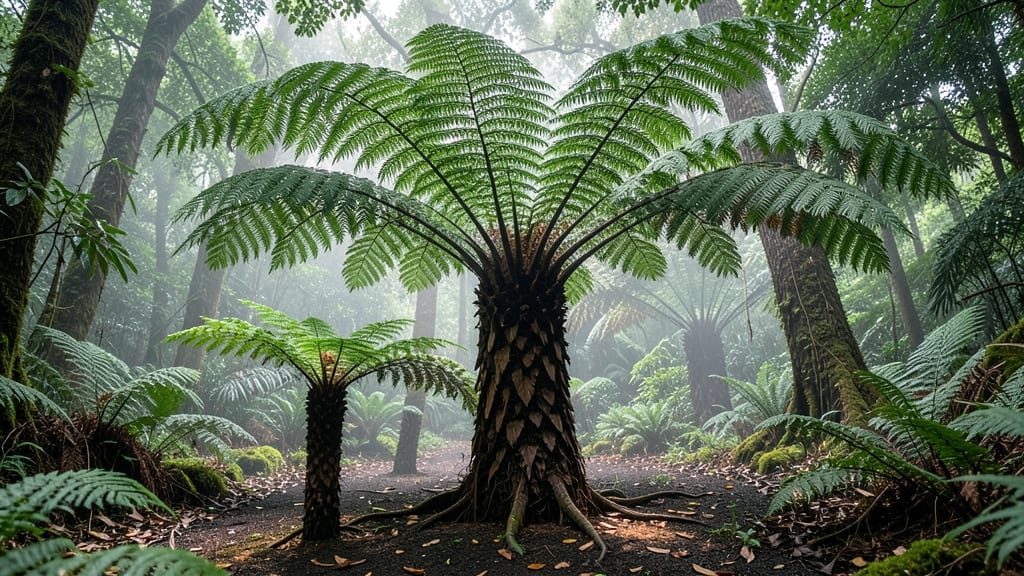
Tree ferns grow between 10 and 25 feet tall at maturity, depending on the species and growing conditions—making them a dramatic statement in any garden.
If you're dreaming of adding towering, lush greenery to your garden but aren’t sure how much space these ancient-looking plants will need, you’re in the right place. Their growth habits vary wildly, from compact varieties perfect for small yards to giants that dominate large landscapes.
Under ideal conditions—like the partial shade and moist soil of USDA Zone 6—tree ferns can shoot up 3 to 5 feet per year in their early years.
But don’t worry: even the fastest growers take a few years to reach their full height, giving you plenty of time to plan.
In this guide, I’ll break down height ranges by species, share tips for managing their size, and help you decide whether a 6-foot dwarf or a 20-foot giant fits your space. Let’s get started!


Tree fern height by species: from compact to towering giants
Tree ferns are some of the most dramatic plants you can add to your garden, offering tropical allure and ancient charm with their frond-filled trunks.
But before you plant, knowing their mature heights is crucial—some stay compact enough for small patios, while others become towering giants that need acres of space. The right choice depends on your yard size, climate, and garden style.
Let’s explore the height ranges of popular species so you can pick the perfect fit.
Most tree ferns fall into three height categories: dwarf (under 6 ft), medium (6–15 ft), and giant (15–30+ ft). Even within these groups, growth rates vary—some species grow slowly but steadily, while others shoot up 3–5 feet per year when conditions are ideal.
Understanding these differences helps you plan spacing, avoid overcrowding, and maximize visual impact. Below, we’ll break down eight common varieties, their typical heights, and what to expect in your garden.
Pro Tip: Always check your USDA hardiness zone—some tropical tree ferns thrive only in zones 9–11, while others are hardy down to zone 6. Your local climate will also affect how tall a fern grows, with humid, shaded conditions often encouraging faster, fuller growth.
If you’re working with limited space, Hickmania cyatheoides or Cyathea cooperi are excellent choices—they stay under 10 feet and can even thrive in large containers.
For dramatic height, Dicksonia antarctica or Alsophila australis will create a jungle-like atmosphere, but they need years to mature and plenty of room to spread their roots.
Always measure your available sunlight and soil depth—tree ferns with thick trunks (like Dicksonia) need deep, fertile soil to support their weight.
One common mistake is assuming all tree ferns grow equally fast. In reality, tropical species (like Cibotium glaucum) may grow twice as fast as temperate varieties when given ideal humidity and warmth.
Conversely, hardy species like Cyathea australis grow slower in cooler climates but are more drought-tolerant once established. To encourage faster growth, mulch heavily in spring and fertilize lightly with a balanced 5-10-10 formula every 4–6 weeks during the growing season.
For small gardens or urban spaces, consider dwarf varieties like *Pl
How fast do tree ferns grow? Growth stages and timeline
Tree ferns are one of the most dramatic additions to any garden, but their growth speed often surprises new growers. Unlike fast-growing annuals, these ancient plants take their time to reach their full majestic height. Understanding their year-by-year growth patterns helps you plan your garden layout and manage expectations.
Most tree ferns grow 1-3 feet per year during their prime, but factors like light exposure, soil quality, and humidity levels can dramatically alter this timeline.
One common misconception is that all tree ferns grow at the same pace. In reality, dwarf varieties like Dicksonia fibrosa might reach maturity in 5-7 years, while giants like Cyathea medullaris can take 10-15 years to reach their full 15-25 foot height.
Even within the same species, growth rates vary based on environmental conditions. For example, a tree fern in humid tropical climates will grow faster than one in a dry inland garden.
- 1
- 2
- 3
- 4
- 5
If you're growing tree ferns in containers, expect slightly slower growth due to root restriction. A 20-gallon pot might limit a Dicksonia antarctica to 8-10 feet tall, while in-ground plants can reach their full potential.
Another tip: Mulch heavily around the base to retain moisture and encourage faster root expansion, which directly impacts frond production.
Many gardeners assume tree ferns grow quickly like bamboo, but their steady, predictable growth makes them ideal for long-term landscape planning. With the right conditions, you’ll see noticeable height increases each spring, making them a rewarding addition to any garden. Just remember—patience is key with these ancient plants! 🌿