
How To
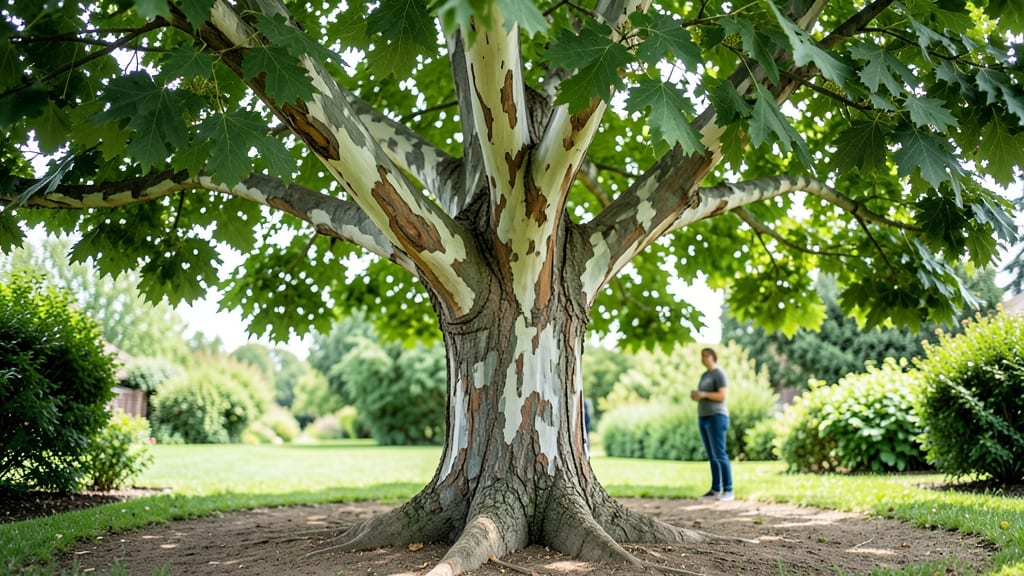
A sycamore tree can grow between 60 and 120 feet tall—taller than a 10-story building—when given the right conditions 🌳.
If you’ve ever dreamed of a towering shade provider or a majestic backyard centerpiece, this giant could be your answer, but its height depends entirely on where you plant it.
From the humid streets of the South to the cooler climates of the North, sycamores stretch their branches differently. In ideal conditions, they reach their full height potential, but in constrained urban spaces, their growth can be managed—without sacrificing their iconic beauty.
Soil quality, sunlight exposure, and even pruning practices play a role in how tall your sycamore becomes. Below, we break down the factors that influence its growth and how you can plan for a sycamore that fits your landscape—whether you want a towering giant or a more manageable size.
Discover the secrets to cultivating a sycamore that thrives in your climate zone, from planting tips to long-term care, so you can enjoy its shade for decades to come.


Sycamore tree height by climate Zone: what to expect
If you're considering planting a sycamore tree (like Platanus occidentalis or the London plane), its mature height can vary wildly depending on your USDA hardiness zone.
In warm, humid climates like Zone 8-10, these giants can reach 100-120 feet, while in cooler Zone 5-6, they often max out around 60-80 feet. Understanding these differences helps you plan for shade, space, and long-term maintenance.
Sycamores thrive in southern states where they dominate landscapes, but their growth slows dramatically in northern regions. For example, a sycamore in Texas (Zone 8b) might grow 3-5 feet per year early on, while one in New York (Zone 6a) could only gain 1-2 feet annually.
These variations make climate zone knowledge essential for realistic expectations.
Here’s a quick breakdown of what to expect across the U.S. climate zones, including average mature heights and growth rates:
| USDA Zone | Avg. Mature Height | Growth Rate (Early Years) | Climate Notes |
|---|---|---|---|
| 3-4 (Cold Regions) | 40-60 ft | 1-1.5 ft/year | Slow growth; prone to winter damage |
| 5-6 (Northern U.S.) | 60-80 ft | 2-3 ft/year | Moderate growth; needs protection from frost |
| 7 (Mid-Atlantic) | 70-90 ft | 3-4 ft/year | Fast growth; thrives in humid summers |
| 8-9 (Southeast) | 80-100 ft | 4-5 ft/year | Optimal conditions; minimal winter stress |
| 10 (Southwest) | 100-120 ft | 5+ ft/year | Rapid growth; drought-tolerant once established |
In Zone 10, sycamores can rival the coast redwood in height, while in Zone 4, they may struggle to exceed 50 feet without careful cultivation. The London plane (a hybrid) often outperforms the American sycamore in colder zones due to its cold-hardiness.
Always check your local microclimate—urban areas can be 2-5°F warmer than rural zones, accelerating growth.
Southern climates offer the best conditions for sycamores, with Florida and Texas hosting some of the tallest specimens. However, even in warm zones, poor soil quality or limited space can stunt growth. For example, a sycamore planted in compacted urban soil might only reach 50% of its potential height.
Always amend soil with organic matter and ensure 6+ hours of sunlight daily for optimal results.
Northern gardeners should prioritize cold-hardy varieties like the London plane and plant near sheltered walls to protect young trees from late spring frosts. In Zone 5 or colder, consider dwarf cultivars or container-grown sycamores if space is limited.
These adaptations can reduce height by 20-30% while maintaining the tree’s iconic camouflage bark and lobed leaves.
If you’re planting near power lines, factor in height restrictions—many municipalities limit trees to 30-40 feet in urban areas. Sycamores can be topped, but this weakens their structure and reduces lifespan.
Instead, opt for dwarf sycamores (like 'Little Dutchess') or plant them 30+ feet from structures to avoid future conflicts.
For fast shade, focus on Zone 8-10 where sycamores grow 30-50% faster than in cooler regions. In these zones, a 10-year-old sycamore can already provide full shade for a 2,000 sq ft lawn. Pair with understory plants like hostas or ferns to create a layered, low-maintenance garden.
Pro tip: Use a growth calculator to estimate your sycamore’s height based on your zone. Tools like the USDA Plant Hardiness Zone Map or local nursery guides can refine predictions. Always account for wind exposure—coastal sycamores may grow 10-20% taller due to stronger airflow stimulating upward growth.
Whether you’re aiming for a shade canopy or a statement piece, understanding your climate zone sets realistic expectations. With the right conditions, a sycamore can become the centerpiece of your landscape for centuries—just plan for its future height today! 🌳
Factors that influence sycamore tree growth height
When planning your landscape with a sycamore tree, remember that its mature height isn't fixed—it depends on several key factors. From soil quality to sunlight exposure, each element plays a role in whether your sycamore reaches 120 feet or stays closer to 60 feet.
Understanding these variables helps you set realistic expectations and create ideal growing conditions for this majestic tree.
One of the biggest influences on a sycamore's height is its genetic variety. The American sycamore (Platanus occidentalis) often grows taller than the London plane (Platanus × acerifolia), which is bred for urban environments and typically stays shorter.
Even within the same species, individual trees can vary by 20-30 feet due to genetic differences.
Your sycamore's root environment is just as critical as what's above ground. Trees planted in urban settings with limited root space often grow 20-30% shorter than their rural counterparts.
To encourage height, plant sycamores in areas with 6-8 feet of undisturbed soil around the base, allowing roots to spread freely and support vertical growth.
Don't overlook the role of pruning timing. Pruning in late winter or early spring (just before new growth begins) promotes taller growth, while summer pruning can stunt height gains for that season.
If you're aiming for a specific height, avoid heavy pruning after June 1st, as this can limit upward energy allocation.
For urban gardeners, choosing the right sycamore variety is key. The London plane is bred for compact growth and handles city conditions better, often topping out at 60-80 feet.
Meanwhile, the American sycamore in ideal conditions can reach 100+ feet—but only if given the right combination of sun, soil, and space.
By paying attention to these five factors, you can help your sycamore reach its full potential—or gently guide its growth to fit your landscape perfectly. Whether you're planting for shade, aesthetics, or wildlife, understanding these influences ensures your tree thrives for decades to come. 🌳