
How To
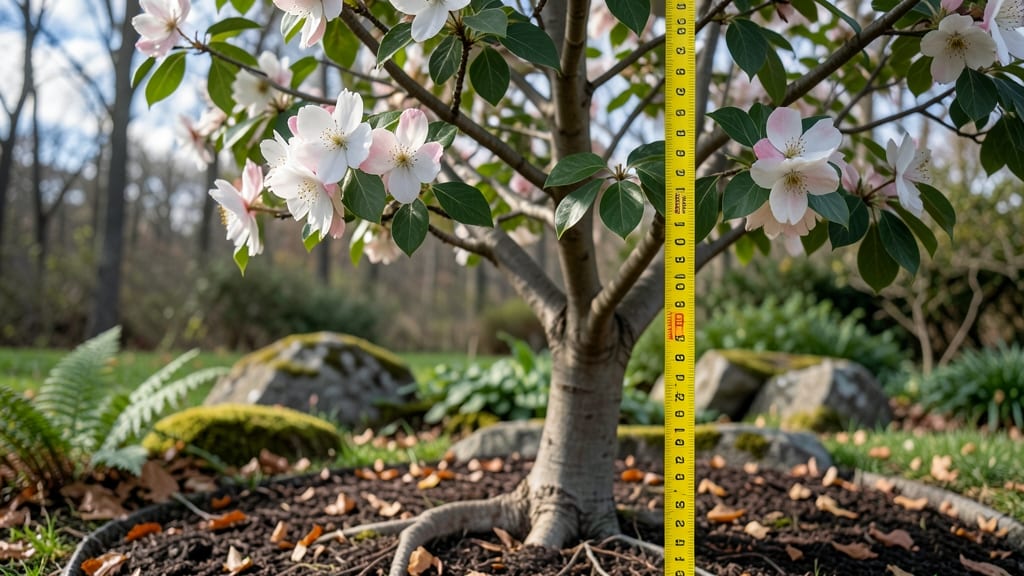
A dogwood tree can grow anywhere from 10 to 35 feet tall, depending on the species and growing conditions—making it a versatile choice for both small gardens and large landscapes.
If you're dreaming of a stunning shade tree with delicate blooms and vibrant fall foliage, dogwood trees are an excellent choice—but their mature height can vary dramatically depending on the species and growing conditions.
For example, the classic Cornus florida typically reaches 20 to 30 feet, while the Kousa dogwood stays shorter at 15 to 25 feet. Meanwhile, some dwarf varieties can remain under 10 feet, perfect for urban yards or container growing.
Below, I’ll break down how to choose the right variety for your space, the care tips that keep them thriving, and how to manage their growth for the perfect fit in your garden.


Dogwood tree height by species: mature size limits for popular varieties
Choosing the right dogwood tree for your landscape starts with understanding their mature height ranges. Flowering dogwoods like Cornus florida can reach 20-35 feet in ideal conditions, while Kousa dogwoods (Cornus kousa) typically stay between 15-25 feet.
These variations make them perfect for everything from small urban gardens to large estate plantings.
For small-space gardening, consider compact cultivars that max out at 10-15 feet. Meanwhile, standard varieties excel in open landscapes where their full height can be appreciated. The key is matching your yard's dimensions with the right species to avoid overcrowding or underutilized space.
Here's a quick comparison of how different dogwood species grow, including their mature heights and ideal uses:
The Cornus florida is the most common species, often reaching 25-35 feet in optimal conditions. Its spreading branches create a broad canopy, making it ideal for backyard shade. If you're working with limited space, look for 'Cherokee Brave' or similar dwarf varieties that stay under 12 feet.
For urban gardens, Cornus kousa varieties like 'Milky Way' offer a compact yet striking option. These trees typically mature between 15-20 feet, perfect for small yards or as specimen plants. Their variegated foliage adds visual interest without overwhelming the space.
When planning your landscape, always check the mature height of your chosen dogwood. A
Factors that influence dogwood tree height growth and development
Dogwood trees are stunning landscape stars, but their height potential depends heavily on growing conditions and care practices. While some varieties naturally stay compact, others can soar to 30+ feet if given ideal conditions. Understanding these factors helps you plan for the perfect size in your yard.
One of the biggest influences is sunlight exposure. Dogwoods thrive in partial shade (4-6 hours daily), but too much direct sun can stress the tree, stunting growth.
Conversely, deep shade slows development, while dappled sunlight promotes balanced, healthy growth. Matching your dogwood’s needs to your yard’s light conditions is key.
🌳 How Tall Can a Dogwood Tree Grow?
10–35 feet (varies by species and care)
🌿 Dwarf Varieties
10–15 ft (e.g., Cornus florida 'Cherokee Brave')
🌳 Standard Varieties
20–35 ft (e.g., Cornus florida 'Rubra')
Optimize height with proper pruning, soil, and water—key factors we’ll explore below!
Soil quality plays a critical role in height development. Dogwoods prefer well-draining, acidic soil (pH 5.0–6.0). Poor soil—like clay or alkaline—can stunt growth or invite diseases like powdery mildew. Amend your soil with compost or peat moss to create an ideal environment, ensuring your tree reaches its genetic height potential.
Pruning techniques are another game-changer. Structural pruning in early spring shapes the tree and encourages upward growth, while thinning cuts improve airflow, reducing disease risk. Avoid heavy pruning in late summer—it can spur weak, late-season growth that’s vulnerable to frost damage. For compact dogwoods, regular trimming keeps them manageable.
Climate zones also dictate height outcomes. Dogwoods thrive in USDA Zones 5–9, but northern climates may yield slower growth due to shorter growing seasons. In warmer zones, dogwoods grow faster but may need extra shade to prevent sunburn.
Always choose a variety suited to your local climate for optimal results.
To maximize or control height, focus on these three actionable tips:
- Test soil pH annually and amend as needed.
- Prune in late winter to remove dead wood and shape growth.
- Water deeply during droughts to support root development.