
Trees
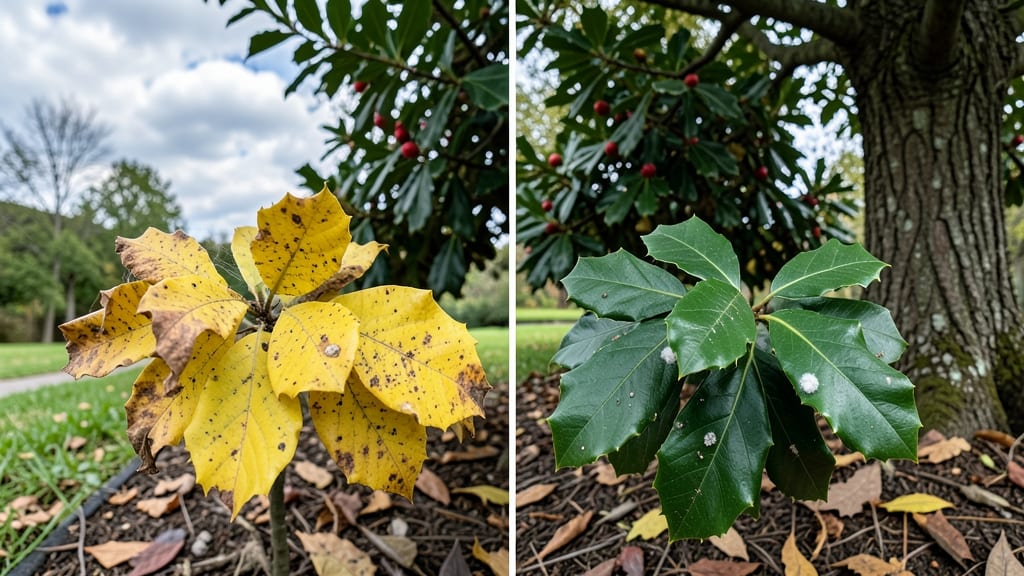
Your holly tree leaves turning yellow could mean a nutrient deficiency—or something far worse. 🌿 I’ve seen this happen when trees are starved of iron, nitrogen, or even overwatered, and the fix isn’t always obvious.
The good news? Most cases are reversible with the right steps, and I’ll walk you through exactly how to diagnose and treat it.
Start by checking the pattern of the yellowing—is it between veins (iron deficiency), scattered (overwatering), or clustered (pests)? Spider mites and scale insects love holly trees, and their damage mimics nutrient issues.
Grab a magnifying glass and inspect the undersides of leaves for tiny webs or bumps. If the soil feels soggy or smells musty, overwatering might be the culprit.
Once you pinpoint the cause, the fix is straightforward: fertilize with iron chelate for yellowing, prune affected branches for pests, and adjust watering to let soil dry between waterings.
A single treatment can turn things around in 4-6 weeks, and your holly’s glossy green leaves will be back before you know it.
Prevention is easier than repair—mulch to retain moisture, fertilize in early spring, and keep an eye out for pests. With these steps, your holly will stay vibrant year-round, and you’ll never have to guess why those leaves are turning yellow again.
Underlying Causes of Yellowing Holly Leaves
Holly trees are prized for their glossy, vibrant green leaves—but when those leaves start turning yellow, it’s a red flag that something’s off. Understanding the root causes helps you take targeted action before the problem worsens.
Below, we break down the most common reasons why holly leaves lose their luster, from environmental stressors to hidden nutrient deficiencies.
Holly trees thrive when their soil is rich in essential nutrients, but deficiencies—especially in iron, nitrogen, or magnesium—can trigger yellowing. Here’s how to spot and address them:
- Iron Chlorosis (Yellowing Between Veins) - Why it happens: Iron is crucial for chlorophyll production, and holly trees often struggle to absorb it in alkaline or compacted soils (common in clay-heavy areas).
Even if iron is present, the tree can’t access it due to high soil pH. - How to fix it: - Test your soil’s pH (ideal range: 5.5–6.5 for hollies).
If it’s above 7, amend with sulfur or peat moss to lower it. - Apply chelated iron supplements (like iron sulfate or EDTA-bound iron) in early spring or fall.
Follow label rates—overapplication can harm roots. - For severe cases, top-dress with compost or use organic matter like pine needles to improve soil structure.
- Nitrogen Starvation (Overall Yellowing + Stunted Growth) - Why it happens: Nitrogen fuels leafy growth, and hollies in poor or depleted soil (especially after years of growth) show yellowing from tip to base.
This is common in sandy soils that drain too quickly. - How to fix it: - Use a balanced, slow-release fertilizer (e.g., 10-10-10 or 12-4-8) in early spring before new growth starts. - Add compost or well-rotted manure around the base (keep it 3–4 inches away from the trunk to avoid burning roots). - Avoid synthetic fertilizers high in phosphorus (e.g., 5-10-10)—hollies prefer nitrogen over phosphorus.
- Magnesium Deficiency (Yellowing Between Veins + Weak Stems) - Why it happens: Magnesium is a building block of chlorophyll, and holly trees often lack it in acidic or leached soils.
Over-fertilizing with nitrogen can also deplete magnesium over time. - How to fix it: - Apply Epsom salt (magnesium sulfate)—dissolve 1 tablespoon per gallon of water and spray on leaves every 2 weeks until improvement is seen. - Incorporate dolomitic lime into the soil (follow package rates) to boost magnesium and calcium levels.
Holly trees are drought-tolerant but hate soggy roots or bone-dry soil, both of which can cause yellowing. Here’s how to strike the right balance:
- Overwatering or Poor Drainage (Yellow Leaves + Drooping) - Why it happens: Holly trees rot easily in waterlogged soil, cutting off oxygen to roots.
Compacted or clay-heavy soils trap moisture, while overzealous watering (especially in winter) suffocates roots. - How to fix it: - Improve drainage by amending soil with compost or sand (for clay soils) or perlite (for container-grown hollies). - Ensure the planting site has slightly elevated soil or a swale to divert excess water. - Water deeply but infrequently—aim for 1–1.5 inches per week (including rain).
Let the top 2–3 inches of soil dry out between waterings.
- Underwatering or Drought Stress (Crispy Yellow Edges + Wilting)
- Why it happens: While holly trees are drought-resistant, prolonged dry spells (especially in containers or sandy soils) cause leaves to yellow and curl as the tree conserves water.
- How to fix it:
- Mulch heavily (2–3 inches of organic mulch like wood chips) to retain moisture and regulate soil temperature.
- Water at the base (not overhead) during early morning to reduce evaporation.
- For container hollies, check soil moisture daily in hot weather—small pots dry out faster.
Sometimes, yellowing isn’t about nutrients or water—it’s the tree’s way of screaming, “It’s too hot/cold/dirty here!” Here’s how to diagnose environmental triggers:
- Heat or Sun Scorch (Yellow Spots on South/West Facing Leaves) - Why it happens: Holly trees prefer partial shade, especially in hot climates.
Direct afternoon sun can burn leaves, causing yellow or brown patches (often on one side of the tree). - How to fix it: - Provide afternoon shade with a light fabric shade cloth (30–50% coverage) or plant near taller trees. - Water deeply in the late afternoon to cool leaves and soil. - Avoid planting holly trees in full-sun, exposed areas unless native to your hardiness zone.
- Winter Burn or Cold Stress (Yellowing in Early Spring)
- Why it happens: Holly trees can tolerate cold, but sudden temperature swings (e.g., thaw followed by frost) or dry winter winds cause desiccation, turning leaves yellow or brown.
- How to fix it:
- Wrap the tree in burlap or frost cloth in late fall if winters are harsh (Zone 5 and below).
- Water thoroughly before the ground freezes to keep roots hydrated.
- Avoid pruning in late summer/fall—new growth is more vulnerable to cold damage.
- Pest or Disease Damage (Yellowing + Holes, Spots, or Sticky Residue) - Why it happens: Spider mites, scale insects, or fungal diseases (like powdery mildew) sap nutrients, causing yellowing.
Look for: - Webbing (spider mites) - Sticky sap (aphids or scale) - White powder (powdery mildew) - How to fix it: - Spray with horticultural oil (for mites/scale) or neem oil (for fungal issues) in early spring or after pests appear. - Prune and destroy infected branches to prevent spread. - Improve air circulation by thinning dense foliage.
Newly planted hollies or those with disturbed roots (from construction, digging, or poor transplanting) often yellow as they struggle to establish. Root girdling (roots circling the trunk) can also strangle the tree over time.
- How to fix it:
- Water deeply 2–3 times per week for the first month after planting.
- Avoid fertilizing for the first 6–8 weeks—focus on root growth first.
- If roots are circling, carefully loosen them (if possible) or plant in a larger container if potted.
Quick Fixes for Yellow Holly Leaves
Yellowing leaves on your holly tree can be frustrating, but the good news is that most issues are fixable with the right approach. Below, we’ve mapped common causes to practical solutions—plus prevention tips to keep your holly thriving. Let’s get your tree back to its lush, green glory!
Signs: Yellowing leaves (especially lower ones), soggy soil, or wilting despite water.
How to Fix It: 🔥 Step 1: Check the Soil – Stick your finger 2–3 inches into the soil. If it’s damp, hold off on watering. 🍳 Step 2: Improve Drainage – Amend heavy clay soil with compost or sand to help roots breathe. For container hollies, ensure pots have drainage holes. 👨🍳 Step 3: Adjust Watering – Water deeply once a week (or less in winter) and let the top 2 inches of soil dry out between sessions. ⏰ Step 4: Mulch Properly – Apply 2–3 inches of mulch (wood chips or bark) around the base, but keep it 6 inches away from the trunk to prevent rot.
💡 Prevention Tip: Hollies hate "wet feet." If your yard floods, consider raising the planting bed or installing a French drain.
Signs: Yellowing between leaf veins (iron/chlorosis), overall pale yellow leaves (nitrogen), or weak growth (potassium).
How to Fix It: 🔥 Step 1: Test Your Soil – Use a DIY soil test kit (available at garden centers) or send a sample to your local Cooperative Extension Service for a pro analysis. 🍳 Step 2: Apply the Right Fertilizer
- For iron deficiency (yellow between veins): Use an iron chelate or Epsom salt (1 tbsp per gallon of water, sprayed on leaves).
- For nitrogen (pale yellow leaves): Feed with a balanced 10-10-10 fertilizer in early spring or a slow-release organic fertilizer like composted manure.
- For potassium (weak growth): Try a potassium-rich fertilizer (like greensand) or wood ash (sparingly).
👨🍳 Step 3: Feed at the Right Time – Fertilize in early spring (before new growth) and late summer (for fall color). ⏰ Step 4: Boost Soil Health – Mix in compost or worm castings to improve nutrient availability naturally.
💡 Prevention Tip: Avoid over-fertilizing—too much salt can burn roots! Follow package instructions and water deeply after applying.
Signs: Yellowing leaves with dark spots, wilting, or mushrooms at the base (root rot).
How to Fix It: 🔥 Step 1: Prune Infected Leaves – Remove yellowed or spotted leaves with sterilized pruners (wipe with rubbing alcohol between cuts). 🍳 Step 2: Improve Airflow – Thin out dense branches to reduce humidity around the tree. 👨🍳 Step 3: Treat Fungus
- For leaf spot: Spray with a copper fungicide or neem oil (follow label rates).
- For root rot: Dig around the base to remove infected roots (if safe) and replace soggy soil with fresh, well-draining mix.
⏰ Step 4: Adjust Watering – Water at the base only (avoid wetting leaves) and early in the day so foliage dries quickly.
💡 Prevention Tip: Space hollies 6–8 feet apart to prevent overcrowding. If your yard stays damp, choose disease-resistant varieties like Ilex × ‘Nellie R. Stevens.’
Signs: Yellowing leaves with tiny webs (mites), sticky residue (aphids), or white cottony spots (scale).
How to Fix It: 🔥 Step 1: Inspect Leaves – Hold a white sheet under the tree and shake branches to spot falling pests. 🍳 Step 2: Blast Off Pests
- For soft-bodied pests (aphids, mites): Spray with a strong hose stream or insecticidal soap.
- For scale insects: Scrape off with a soft brush or use horticultural oil (apply in dormant season).
👨🍳 Step 3: Attract Predators – Plant marigolds or dill nearby to lure ladybugs and lacewings, which eat pests. ⏰ Step 4: Monitor & Repeat – Check weekly and reapply treatments if needed (especially after rain).
💡 Prevention Tip: Encourage beneficial insects by avoiding broad-spectrum pesticides. A healthy tree is less appealing to pests!
Signs: Sudden yellowing after hot spells, freezing temps, or recent planting.
How to Fix It: 🔥 Step 1: Shield from Extreme Weather
- For heat stress: Provide afternoon shade (use shade cloth if needed) and mulch heavily.
- For cold damage: Wait until spring to prune dead branches—don’t trim in winter!
🍳 Step 2: Support Recovery
- Water deeply during heatwaves (1–2 inches per week).
- Avoid fertilizing until new growth appears (stressed trees need energy, not extra nutrients).
👨🍳 Step 3: Give It Time – Hollies are tough! Most recover within 4–6 weeks if conditions improve.
💡 Prevention Tip: Plant hollies in fall or early spring when roots can establish before extreme weather. Choose native varieties (like American Holly) for better climate adaptability.
If your holly’s leaves are severely yellow, crunchy, or falling off in large patches, it may need deep soil aeration, professional fungicide, or root inspection. Don’t hesitate to consult a local arborist—sometimes, the issue runs deeper than DIY fixes!
Your holly’s yellow leaves don’t have to be permanent. With these targeted fixes, you’ll see greener growth in weeks—and a tree that stays vibrant year-round. 🌿✨
Frequently asked questions
Why are my holly tree leaves turning yellow only between the veins?
This classic sign points to iron chlorosis, where your holly can't absorb iron despite it being in the soil. It often happens in alkaline soils (pH above 7.0) or when roots can't reach nutrients. Test your soil pH and amend with sulfur or peat moss to lower it. Apply chelated iron supplements every 4-6 weeks until leaves green up.
Can overwatering really cause holly leaves to turn yellow?
Holly trees rot easily in soggy soil, which cuts off oxygen to roots. Check if the soil stays damp for days after watering—this is a red flag. Improve drainage by adding compost or sand to heavy clay, and water only when the top 2-3 inches of soil feel dry. Mulch helps regulate moisture but keep it 6 inches away from the trunk.
How do I tell if my holly's yellow leaves are from pests or nutrient issues?
Look closely! Pests (like spider mites or scale) leave webs, sticky residue, or tiny bumps on leaves/stems. Nutrient issues show as uniform yellowing without spots. Shake branches over white paper—falling pests confirm infestations. Treat with horticultural oil for pests or fertilizer for deficiencies.
Will pruning help my holly tree recover from yellow leaves?
Yes, but strategically! Prune only dead or severely yellowed branches in late winter/early spring. Avoid heavy pruning during stress (like summer heat). For pests/disease, remove infected leaves immediately with sterilized tools. Never prune more than 25% of the canopy at once—this stresses the tree further.
How long will it take for my holly leaves to turn green again after treatment?
With proper care, you'll see improvement in 4-6 weeks! New growth should appear within 2-3 weeks if you've addressed the root cause (water, nutrients, or pests). For severe cases (like root rot), recovery may take 2-3 months. Monitor progress and adjust treatments if yellowing persists—sometimes the issue runs deeper than expected.