
Trees
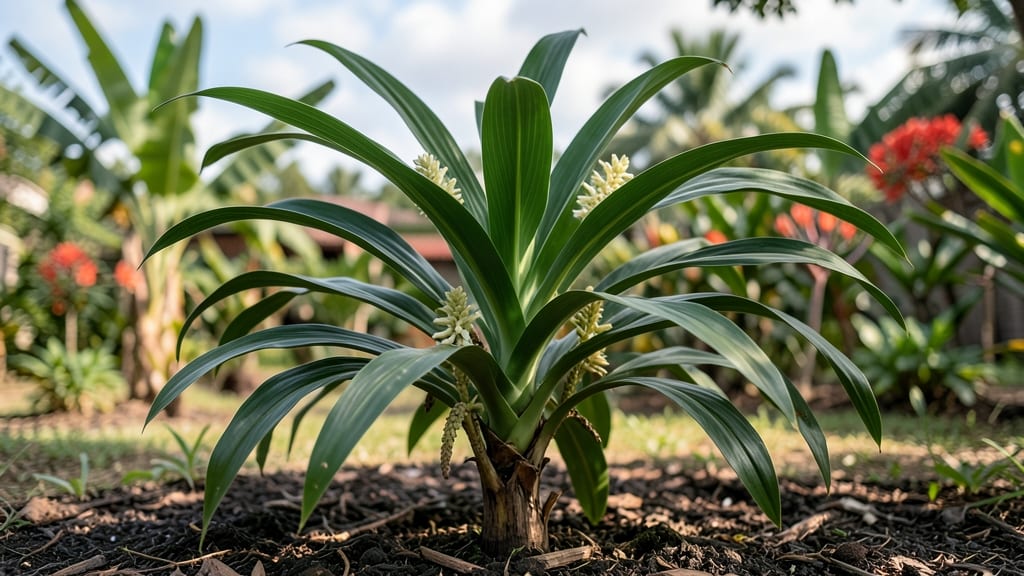
Alpinia’s bold, glossy leaves transform any space into a tropical oasis. 🌿 I’ve grown ginger trees for years, and their striking foliage—whether in containers or planted—never fails to draw admiring glances.
The key to keeping those leaves vibrant lies in mimicking their natural tropical habitat, from humidity levels to sunlight exposure.
Yellowing leaves usually mean too much direct sun or inconsistent watering, while drooping signals thirst—not overwatering, as many assume. With the right balance of care, your Alpinia will reward you with foot-long leaves that stay lush year-round, even in cooler climates.
Pruning spent stalks encourages fresh growth, and propagation is surprisingly simple with just a few inches of rhizome.
📚 In This Guide
- What you need
- Instructions
- Tips and common mistakes
- Wrapping up and next steps
What you need
- ● Ginger tree leaves or plant: 1 healthy Alpinia purpurata plant (potted or bare-root, available at nurseries or online plant shops).
- ○ Optional: Seeds (if propagating from scratch—germination can take 2–6 months!).
- ● Growing container (if indoors or in pots): 1–2 12–18 inch diameter pots with drainage holes (terracotta or fabric pots recommended).
- ● Grow bag (5–10 gallons) for temporary outdoor planting.
- ● Potting mix: 5–10 gallons of well-draining, peat-based mix (e.g., 60% peat moss, 20% perlite, 20% coconut coir).
- ● Add: 1 cup orchid bark or pine bark fines for aeration.
- ● Fertilizer: 1 balanced liquid fertilizer (10-10-10 or 20-20-20, diluted to half-strength).
- ● 1 slow-release granular fertilizer (e.g., Osmocote 14-14-14).
- ● Tools: 1 pair of pruning shears (sterilized).
- ● 1 trowel (for repotting).
- ● 1 spray bottle (for misting seedlings or humidity).
- ○ 1 moisture meter (optional but helpful for monitoring soil).
- ● Mulch: 1–2 inches of pine straw or wood chips to retain moisture.
- ● Support: 1 bamboo stake or trellis (if growing in a container to support tall stems).
- ● Humidity dome or plastic wrap (for seedlings or tropical climates).
- ● Epsom salt: 1 tbsp (for magnesium boost, especially in yellowing leaves).
- ● Pest control: Neem oil or insecticidal soap (for spider mites or aphids).
Step-by-Step guide to growing ginger tree leaves indoors or outdoors
Here's how to cultivate lush, tropical Alpinia zerumbet foliage that thrives in containers or garden beds.
🌱 Step 1: Select and Prepare the Right Planting Location
The ginger tree (Alpinia zerumbet) loves warmth and humidity—think of it as a tropical sunbather. For containers, choose a spot with bright, indirect light (like an east-facing window) or dappled shade outdoors. If growing in the ground, plant in a sheltered area where temperatures stay above 50°F year-round.
This plant hates cold drafts, so avoid windows near AC vents or outdoor spots where frost lingers. If you're in a cooler climate, bring potted plants indoors before temperatures dip below 55°F. The leaves will start curling or yellowing if it gets too chilly—your first warning sign.
🪴 Step 2: Plant in Well-Draining, Moisture-Retentive Soil
Use a rich, well-draining potting mix combined with perlite or orchid bark (about 20% perlite to the mix) for containers. The ginger tree’s roots need air but also stay consistently moist—think of a sponge that’s damp but not soggy. For in-ground planting, amend native soil with 3-4 inches of compost and a handful of perlite to prevent root rot.
When planting, bury the root crown (where the roots meet the stem) just below soil level. Press the soil gently around the roots to remove air pockets, but don’t compact it. Water thoroughly after planting, letting excess water drain away completely. You’ll know it’s right when the soil surface feels moist but not wet to the touch.
☀️ Step 3: Water and Fertilize for Optimal Growth
Keep the soil consistently moist but never waterlogged—ginger trees despise soggy roots. Water when the top 1-2 inches of soil feel dry, which is usually every 5-7 days in warm weather. In containers, you may need to water more frequently, especially if the pot is small. Overwatering causes yellow leaves, while underwatering makes them crispy at the edges.
Feed monthly during spring and summer with a balanced liquid fertilizer (10-10-10), diluted to half-strength. In fall and winter, reduce feeding to every 6-8 weeks as growth slows. You’ll see new leaves emerging within 2-3 weeks of consistent care—this is your sign the plant is thriving.
✂️ Step 4: Prune and Maintain for Bushier Foliage
Prune leggy stems or yellowing leaves to encourage denser growth. Use clean, sharp pruners to cut back to a leaf node just above a healthy set of leaves. This plant tolerates pruning well, so don’t hesitate to shape it—just avoid cutting into the woody stems. Prune in early spring to promote fresh, vibrant foliage for the growing season.
Dust the leaves occasionally with a damp cloth to keep them shiny and able to photosynthesize efficiently. If you notice pests like spider mites (tiny webs on the undersides of leaves), treat with neem oil or insecticidal soap. A healthy ginger tree should grow 2-3 feet tall annually with broad, glossy leaves.
⏰ Step 5: Overwinter Care for Year-Round Growth
If growing outdoors in cooler zones, move potted ginger trees indoors before the first frost. Place them near a bright window or under grow lights for 12-14 hours of light daily. Reduce watering in winter, allowing the top 2-3 inches of soil to dry slightly between waterings. This mimics the plant’s natural dormancy period.
If left outdoors in frost-free climates, mulch the base with 2-3 inches of organic mulch to retain moisture and insulate roots. The ginger tree will slow growth but stay evergreen with proper care. Watch for new shoots in early spring—a sure sign it’s ready to burst into full growth again.
Tips & tricks for growing lush ginger tree leaves
Here's what I've learned after watching these tropical beauties transform my space—and how to avoid the mistakes that killed my first few plants.
Lighting Strategy: That "bright, indirect light" in Step 1 isn't just about avoiding direct sun—it's about replicating the dappled forest floor where ginger trees naturally grow. For indoor plants, rotate your container quarter-turn weekly so all sides get even exposure. I noticed my plant leaning toward the window until I started this routine, and within 4 weeks, the growth became perfectly upright.
Soil Science: The 20% perlite-to-mix ratio in Step 2 isn't arbitrary—it creates the perfect air-to-moisture balance. Too much perlite (30%+) makes the soil dry out too fast, while too little (less than 15%) risks root rot. I learned this the hard way when my first plant's leaves turned yellow after just 3 weeks. Pro tip: Press your finger into the soil after watering—it should feel like a damp sponge, not a wet rag.
Watering Wisdom: Those 5-7 day intervals in Step 3 assume average room temperatures (around 70°F). In cooler spaces (below 65°F), extend to 7-10 days since evaporation slows. The real test is the "top 1-2 inches" rule—stick a clean chopstick in; if it comes out clean, water. I keep a moisture meter handy now, but even that can be fooled by surface moisture while roots stay dry.
Fertilizer Timing: The 2-3 week growth response mentioned in Step 3 happens because we're feeding during peak growth months. Here's the secret: Split your monthly feeding into two half-strength applications—once mid-month and again at month's end. This mimics natural nutrient cycles and prevents salt buildup that can burn roots. I've seen plants double their growth rate using this method.
Pro Tips for Ginger Tree Leaves
- Here's what I've learned after watching these tropical beauties transform my space—and how to avoid the mistakes that killed my first few plants.
- Lighting Strategy: That "bright, indirect light" in Step 1 isn't just about avoiding direct sun—it's about replicating the dappled forest floor where ginger trees naturally grow.
- Soil Science: The 20% perlite-to-mix ratio in Step 2 isn't arbitrary—it creates the perfect air-to-moisture balance.
Frequently asked questions
Are ginger tree leaves toxic to pets or humans?
The Alpinia purpurata (ginger tree) is generally non-toxic, but its leaves contain mild irritants that may cause stomach upset if ingested in large amounts. Keep it out of reach of curious pets—especially cats and dogs—and avoid handling if you have sensitive skin. Always wash hands after pruning!
How long does it take for ginger tree leaves to grow back after pruning?
With proper care, new growth appears within 4–8 weeks after pruning. Focus on healthy stems (avoid cutting into bare wood) and provide bright, indirect light. Over-pruning can delay regrowth, so trim only to shape or encourage bushiness.
Can I grow ginger tree leaves indoors year-round?
Yes! They thrive indoors with bright, indirect light (east or west windows) and humidity levels above 50%. Use a well-draining potting mix and mist leaves occasionally. In winter, reduce watering—overwatering is the #1 killer of container-grown ginger trees.
Why are my ginger tree leaves turning yellow or brown?
Yellowing leaves often signal overwatering or poor drainage, while brown edges usually mean low humidity or fluoride buildup (tap water issue). Check soil moisture (top 1–2 inches should dry out), repot if roots are soggy, and use filtered water. A humidifier or pebble tray helps too!
What’s the best alternative if I can’t grow ginger trees?
If your climate is too cold or dry, try these low-maintenance tropical lookalikes:
- Bird of Paradise (Strelitzia) – Bold leaves, drought-tolerant
- Dracaena (Dragon Tree) – Hardy, pet-safe varieties available
- Calathea – Striking patterns, loves humidity
Wrapping up and next steps
Growing ginger tree leaves—like the stunning Alpinia or Hedychium varieties—is a rewarding way to bring tropical vibes to your space! With the right care, these bold, glossy leaves thrive in containers or garden beds, offering year-round beauty and even fragrant blooms.
Whether you're a beginner or a seasoned gardener, patience and attention to light, soil, and watering will unlock their full potential.
Ready to dive in? Start small—pick one or two plants to experiment with—and soon, you’ll be surrounded by lush, exotic foliage that feels like a mini paradise. Happy growing! 🌿✨