
Pruning
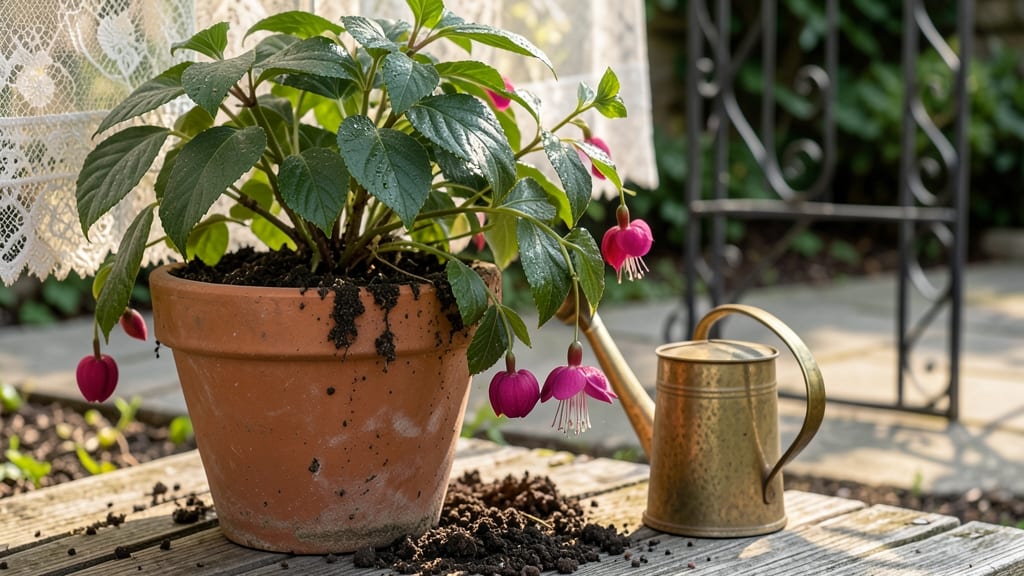
Your fuchsia tree care could transform it into a nonstop bloomer—if you prune it right. ✨ The secret to year-round flowers isn’t luck; it’s cutting back at the right times and in the right way.
I’ve turned my once-sparse fuchsia into a lush, flowering powerhouse with just a few sharp snips each season.
Start with clean, sharp pruners and focus on shaping the tree in late winter or early spring. Remove dead or crossing branches first, then trim back leggy stems by about a third to encourage bushier growth.
Most varieties—like the hardy Fuchsia magellanica—thrive when pruned this way, producing fresh blooms within weeks.
By summer’s end, you’ll see dense foliage and clusters of vibrant flowers. The key is consistent pruning: a light trim after each major bloom cycle keeps the plant compact and flowering. Just avoid heavy cuts in fall, or you’ll stunt next year’s growth.
Works for both container and in-ground fuchsias, and even works wonders with overgrown plants. Here’s how to keep yours thriving all year.
📚 In This Guide
- What you need
- Instructions
- Tips and common mistakes
- Wrapping up and next steps
What you need
- ● Pruning shears: Sharp, bypass-style shears (for clean cuts) or anvil-style for thicker branches. Size: 5–7 inches.
- ● Hand pruners: For smaller branches (1/4–3/4 inch diameter). Look for: Ergonomic grips and rust-resistant blades.
- ○ Loppers: For medium branches (3/4–2 inches thick). Extension pole: Optional but handy for tall trees!
- ● Gloves: Heavy-duty gardening gloves (protect against thorns and sap). Material: Leather or reinforced fabric.
- ● Disinfectant: 70% isopropyl alcohol or a pruning sealant (to prevent disease spread).
- ○ Bucket or tray: For collecting clippings (optional but tidy!).
- ● Pruning saw: For thick, woody branches (rare in fuchsias but useful for mature trees).
- ● Plant food: Balanced 10-10-10 fertilizer or bloom booster (apply post-pruning).
- ● Mulch: Organic mulch (e.g., shredded bark) to retain moisture and protect roots.
- ● Spray bottle: For misting leaves if humidity is low (fuchsias love it!).
- ● Notebook & pen: To jot down pruning notes (e.g., growth patterns, bloom cycles).
Step-by-Step pruning guide for your fuchsia tree
Here's the pruning routine I swear by to keep my fuchsias blooming like crazy all season long.
✂️ Step 1: Prune After First Frost or Late Winter
Wait until after the last frost when new growth is just starting to appear. I like to prune in late winter or early spring because this is when your fuchsia tree is about to burst into new life. Cut back one-third of the oldest wood—these are the stems that have already bloomed and are now woody and less productive.
Use clean, sharp pruners to make cuts just above a leaf node or bud. This encourages new growth from that point. I always sterilize my pruners with rubbing alcohol between cuts to prevent spreading disease. You'll see fresh green shoots emerging within a few weeks—that's your sign everything's working.
✂️ Step 2: Light Pruning During Spring Growth
Once your fuchsia tree starts actively growing in spring, do a lighter pruning to shape it and encourage bushier growth. Remove any dead, damaged, or crossing branches first—these compete for energy and can stunt your plant's overall health.
Pinch back the tips of new growth to encourage branching. I like to leave about 4-6 inches of new growth after pinching. This creates more flower buds later in the season. Watch for new side shoots forming—these will become your future blooming stems. Avoid cutting into old wood during this phase unless absolutely necessary.
☀️ Step 3: Summer Maintenance Pruning
During the summer, your main goal is to keep your fuchsia tree looking its best and encourage continuous blooming. Remove any spent flowers by cutting just above the next set of leaves. This technique is called deadheading, and it tells your plant to put energy into producing more flowers instead of seed pods.
Also check for any leggy growth—these are stems that have grown too tall without enough leaves. Cut these back by about half their length to encourage bushier, more compact growth. You'll see new leaves forming at the base of your cuts within a few weeks. This is the time to also thin out any crowded branches to improve air circulation and prevent disease.
⏰ Step 4: Final Light Pruning Before Winter
About 6-8 weeks before your first expected frost, do a final light pruning to prepare your fuchsia tree for winter. Remove any weak or diseased growth, and cut back any overly long stems by about one-third. This helps your plant focus its energy on strengthening its structure rather than supporting weak growth.
Don't be too aggressive with this pruning—you want to leave enough foliage to protect the plant through winter. I like to leave about half the plant's height intact. This final trim helps your fuchsia tree enter dormancy in better shape, ready to burst into bloom again next season. Water thoroughly after pruning to help the plant recover.
Tips & tricks for perfect fuchsia tree pruning
Let me share the hard-won insights that'll transform your fuchsia tree into a blooming powerhouse all season long.
Timing is Everything: I can't stress enough how crucial that first post-frost prune is. After the last frost when new growth starts peeking out is the perfect window—this is when your fuchsia is ready to burst into action. If you prune too early, you risk damaging tender new buds; too late, and you're cutting back growth that could have produced flowers. Watch for those first green shoots as your cue.
The One-Third Rule: When cutting back those oldest stems in Step 1, aim for exactly one-third of the total wood. This might seem arbitrary, but it's the sweet spot that balances removing spent growth while leaving enough structure for new shoots. I mark my pruners with tape to ensure consistent cuts—this visual guide has saved me from over-pruning more times than I can count.
Pinch Like a Pro: During spring growth, when you're pinching back new tips, focus on creating those 4-6 inch stubs. This might seem counterintuitive—why cut off growth when you want more flowers?—but those side shoots that emerge from the pinched areas are where your future blooms will form. Think of it like encouraging your plant to branch out literally and figuratively for maximum flowering potential.
Deadheading Discipline: Summer maintenance becomes so much easier when you treat deadheading like a daily habit. Those spent flowers might look pretty, but they're actually sapping energy your fuchsia could use for new blooms. I set a reminder on my phone for every other day during peak bloom season—consistency is what separates a few flowers from a cascading display of color.
Pro Tips for Fuchsia Tree Care
- Let me share the hard-won insights that'll transform your fuchsia tree into a blooming powerhouse all season long.
- Timing is Everything: I can't stress enough how crucial that first post-frost prune is. After the last frost when new...
- The One-Third Rule: When cutting back those oldest stems in Step 1, aim for exactly one-third of the total wood. This...
Frequently asked questions
Got questions about keeping your fuchsia tree thriving?
Here are some of the most common concerns—plus quick, expert-backed answers to keep those vibrant blooms coming year-round!
When is the best time to prune my fuchsia tree for maximum blooms?
Prune your fuchsia tree after it blooms in late spring or early summer. This encourages new growth and more flowers. Avoid heavy pruning in fall or winter, as it can stress the plant. Light shaping in early spring (before buds form) is fine, but focus on removing dead or overcrowded branches.
How often should I water my fuchsia tree, and what if the leaves start yellowing?
Water your fuchsia tree consistently—keep the soil evenly moist but not soggy. Yellowing leaves often signal overwatering or poor drainage. Let the top inch of soil dry out between waterings, and ensure the pot has drainage holes. If yellowing persists, check for root rot or nutrient deficiencies (like iron deficiency, which causes yellowing between veins).
Can fuchsia trees survive winter outdoors, or do I need to bring them inside?
Most fuchsia trees are tender perennials and cannot survive freezing temperatures (below 30°F/-1°C). If you live in a cold climate, bring potted fuchsias indoors before the first frost. Place them in a bright, cool spot (like a sunroom) and reduce watering. Resume outdoor placement in spring after the last frost.
What can I do if my fuchsia tree isn’t blooming as much as it used to?
Lack of blooms often stems from over-fertilizing with high-nitrogen feed, which promotes leafy growth over flowers. Switch to a balanced, bloom-boosting fertilizer (like 10-10-10 or 5-10-10) and prune to encourage air circulation. Also, ensure it gets 4-6 hours of morning sun—too much afternoon sun can scorch leaves and reduce flowering.
Are there any easy alternatives to fuchsia trees for low-maintenance blooms?
If fuchsias feel too finicky, try these low-maintenance alternatives:
- Bougainvillea: Thrives in heat, drought-tolerant, and blooms prolifically with minimal pruning.
- Impatiens: Loves shade, blooms nonstop, and handles humidity well.
- Coleus: Gorgeous foliage with minimal care—great for containers.
- Petunias: Hardy annuals that rebound quickly after pruning and love sun.
Wrapping up and next steps
Caring for your fuchsia tree doesn’t have to be complicated—just consistent and mindful! With the right pruning techniques, you’ll enjoy vibrant blooms year-round and a thriving, healthy plant. Remember, timing, tools, and technique are your best friends for success.
Now that you’re armed with these secrets, grab those shears and get pruning! 🌸 Start with a light trim this season, observe your tree’s response, and adjust as needed. Happy gardening—your fuchsia will thank you with stunning color and lush growth!