
Pruning

Cold weather doesn’t have to mean the end of your fig tree’s life. With the right winter prep, you can protect your plant from freezing temperatures and set the stage for a healthier, more productive growing season next year. These ten essential strategies will help you safeguard your fig tree through winter’s harshest challenges.
Choosing the Right Fig Variety for Cold Climates
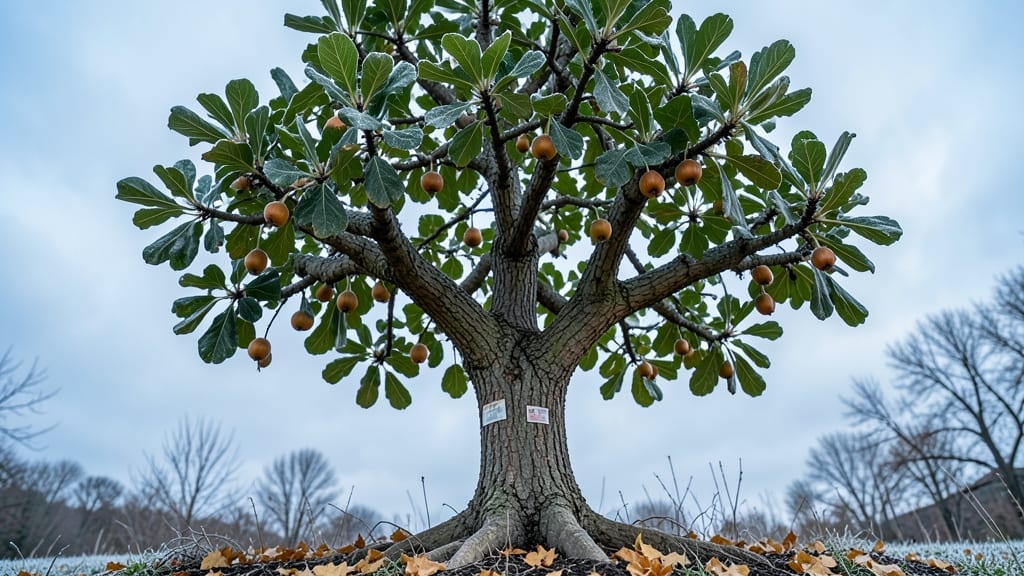
If you live in USDA zones 5-7 and love figs but dread winter, cold-hardy varieties like Chicago Hardy and Brown Turkey are your game-changers. These varieties can handle temperatures down to 10°F (-12°C) without needing extra protection, making them perfect for gardeners in colder climates.
Chicago Hardy produces sweet, purple-skinned figs and thrives in harsh winters, while Brown Turkey offers reliable yields with minimal care. Both varieties are disease-resistant and adapt well to full sun to partial shade, so they’re versatile for different garden spots. Plant them in well-draining soil and watch them flourish even in chilly regions.
For gardeners in colder zones, these varieties eliminate the guesswork of winter protection, letting you focus on enjoying fresh figs year after year. 🌱
Protecting the Root Zone with Mulch
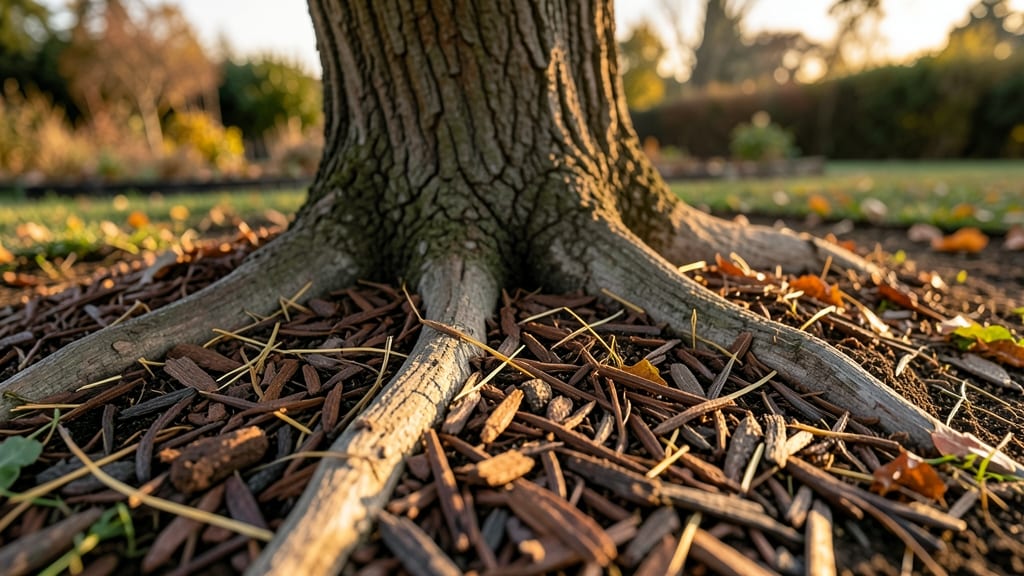
Cold snaps can wreak havoc on fig tree roots, but a 3-4 inch layer of organic mulch acts like a cozy blanket, shielding them from extreme temperature swings. Unlike previous items focusing on variety selection, mulching directly addresses the root zone—the most vulnerable part of your tree during winter.
Use straw or wood chips (avoid fresh wood shavings, which can mat down) and apply it after the first frost but before hard freezes. This layer moderates soil temperature, preventing root freeze-thaw damage while locking in moisture—a lifesaver in dry winter climates. For container-grown figs, top-dress with mulch and water occasionally if the ground isn’t frozen.
This method is especially valuable for gardeners in USDA Zones 6-8, where winter temperatures fluctuate unpredictably. Mulching now means less stress on your tree and more energy for spring growth. 🌿
Wrapping Trunks with Burlap or Insulation

Winter’s freeze-thaw cycles can turn your fig tree’s trunk into a brittle disaster—especially for young trees in exposed spots. A simple wrap of burlap or foam insulation acts like a cozy sweater, preventing painful cracks that weaken the tree’s structure and invite pests.
Start by wrapping the trunk loosely (not too tight!) with burlap or foam insulation sleeves up to 3–4 feet high. Secure with twine or plastic ties, leaving room for slight expansion. This barrier regulates temperature swings, which are far more damaging than steady cold. For extra protection in Zone 7 and colder, add a layer of bubble wrap over the burlap.
This method is a game-changer for urban gardeners with limited space or gardeners in windy areas where trunks endure harsh exposure. A little prep now means fewer repairs—and happier trees—come spring. 💪
Building a Mini Greenhouse with Plastic Covers
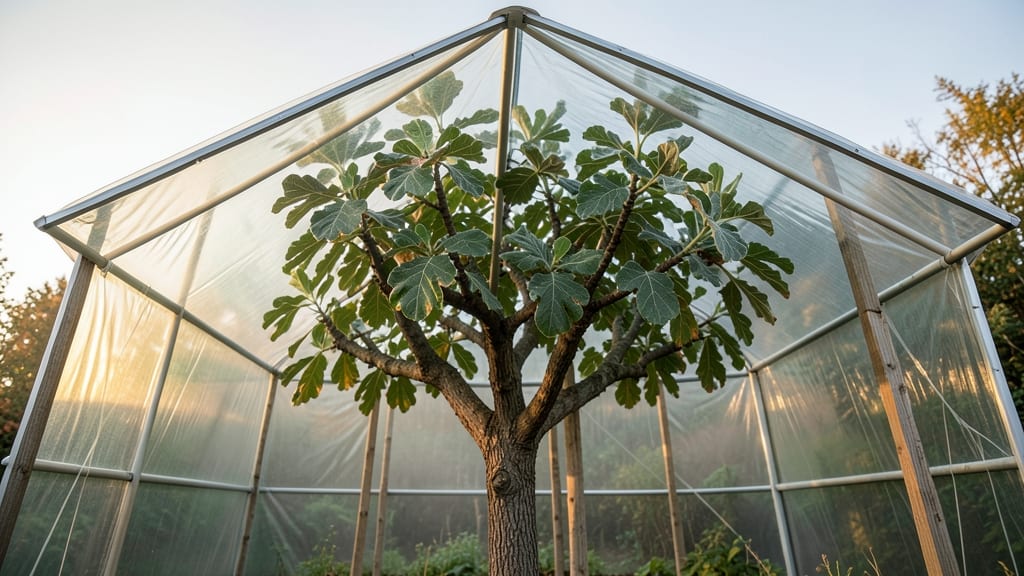
Struggling to keep your fig tree alive through early frosts? A mini greenhouse made from plastic covers can create a protective bubble of warmth, shielding tender leaves and extending your growing season by weeks.
Start by building a simple frame—use PVC pipes, wooden stakes, or even a sturdy wire cage—around your tree. Cover it with clear plastic sheeting (like row cover fabric) and secure it tightly to trap heat. This microclimate can raise temperatures by 5–10°F, safeguarding your tree from light frosts down to 25°F (-4°C). For extra insulation, add a layer of bubble wrap inside the plastic.
This DIY solution is perfect for gardeners in USDA Zones 7–9 who want to protect mature trees or extend harvests. Just remember to vent the structure on warm days to prevent overheating. 🌱
Pruning for Winter Hardiness Before Freezes
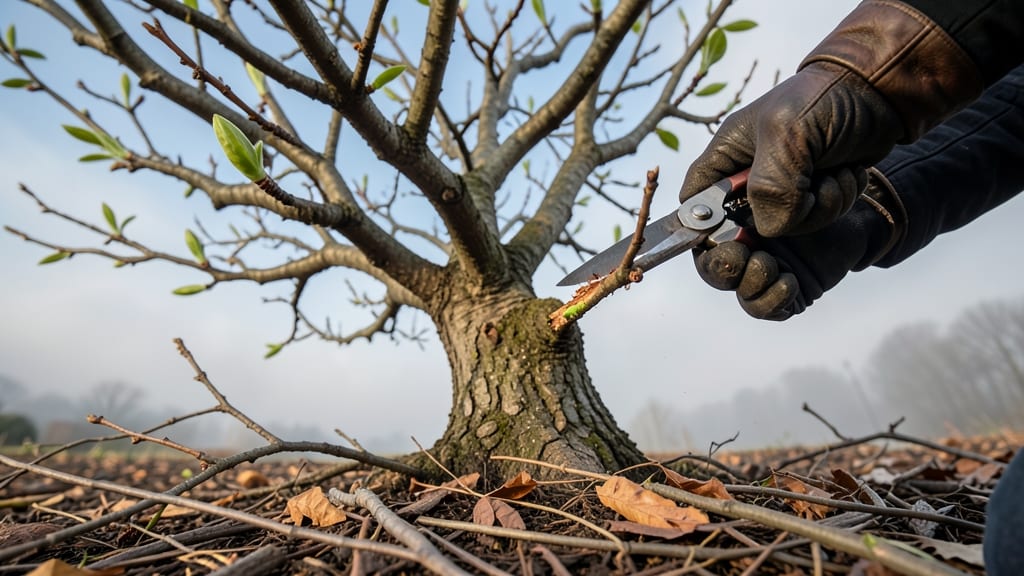
Late fall is the perfect time to give your fig tree a strategic haircut—one that strengthens its structure and sets it up for a vibrant spring comeback. Pruning now removes weak, crossing, or diseased branches before winter dormancy, allowing the tree to focus energy on healing and root development.
Use sharp, sterilized pruners to make clean cuts just above outward-facing buds, targeting branches thinner than a pencil. This improves airflow through the canopy, reducing fungal risks like powdery mildew that thrive in stagnant winter air. Avoid heavy pruning if your region experiences hard freezes—save major cuts for early spring to prevent stress.
This method is ideal for gardeners in transitional climates where winters are mild but unpredictable. A well-pruned fig tree not only survives the cold but bursts into lush new growth as soon as temperatures rise. 🌱
Using Anti-Transpirants to Prevent Moisture Loss
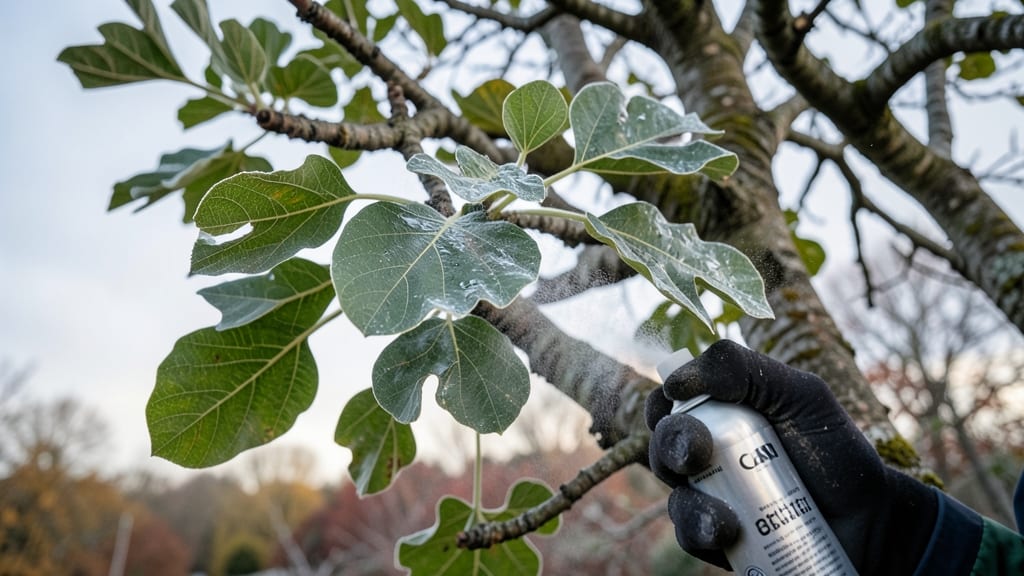
When winter winds dry out your fig tree’s leaves faster than you can say "frost," anti-transpirants become your secret weapon. These wax-based sprays create a temporary protective film that slows moisture loss, helping your tree conserve energy during dormancy.
Apply the spray in late fall after pruning but before hard frosts, focusing on leaves and new growth. Reapply every 4-6 weeks or after heavy winds to maintain coverage. Choose a product with kaolin clay or acrylic polymers for the best results—these are safe for organic gardens and won’t harm beneficial insects. Even in mild winters, this step can mean the difference between a stressed tree and one that wakes up strong in spring.
This method is especially valuable for gardeners in dry climates or those with young fig trees still building resilience. A little spray now saves you from dead branches later! 🌿
Moving Potted Figs to Sheltered Locations
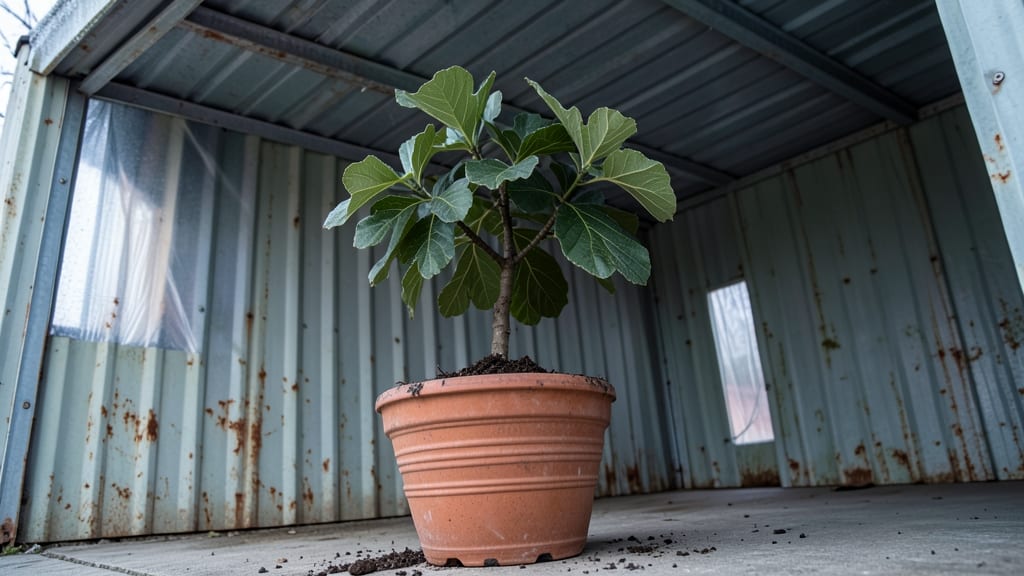
When hard frosts loom but you’re not ready to say goodbye to your potted fig tree, a garage or covered patio becomes its winter sanctuary. This simple relocation keeps roots above freezing while still giving leaves indirect light—no greenhouse needed!
Move your container to a spot where temperatures stay above 32°F (0°C) but get bright, filtered sunlight (east-facing windows or under a covered patio work best). Use a drainage tray to catch excess water and avoid root rot during dormancy. Water sparingly—only when the top inch of soil feels dry—to prevent over-saturation in the cooler space.
This method is perfect for urban gardeners with limited outdoor space or those who want to protect tender varieties. With minimal effort, you’ll wake up to a thriving fig tree ready for spring. 💚
Applying Dormant Oil Spray for Pest Control
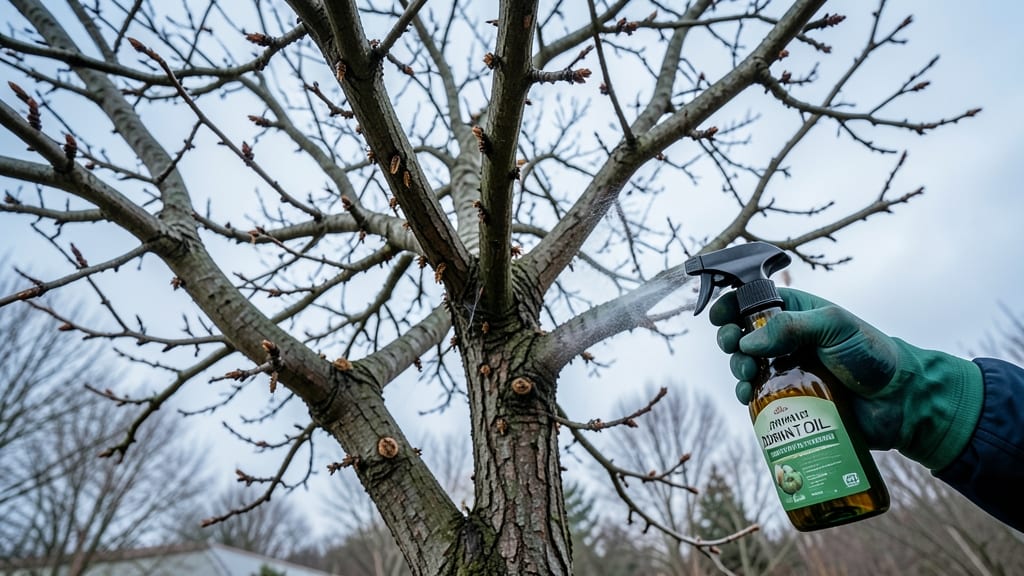
Winter isn’t just about protecting your fig tree from frost—it’s also the perfect time to tackle hidden pests lurking in the branches. Dormant oil spray is your secret weapon against scale insects, mites, and egg-laying pests that survive winter on your tree, ready to wreak havoc when spring arrives.
Apply the oil when temperatures are above 40°F (4°C) and your fig tree is fully dormant but still has leaves. This organic, non-toxic spray coats pests, suffocating them without harming the tree. Focus on the undersides of leaves and branch crevices, where pests hide. Reapply every 4-6 weeks if needed, and always follow label instructions for dilution.
This proactive step is especially valuable for gardeners in mild-winter regions where pests remain active year-round. A little winter prep now means fewer surprises—and healthier growth—when your fig tree wakes up in spring. ✨
Monitoring Soil Moisture During Dormancy
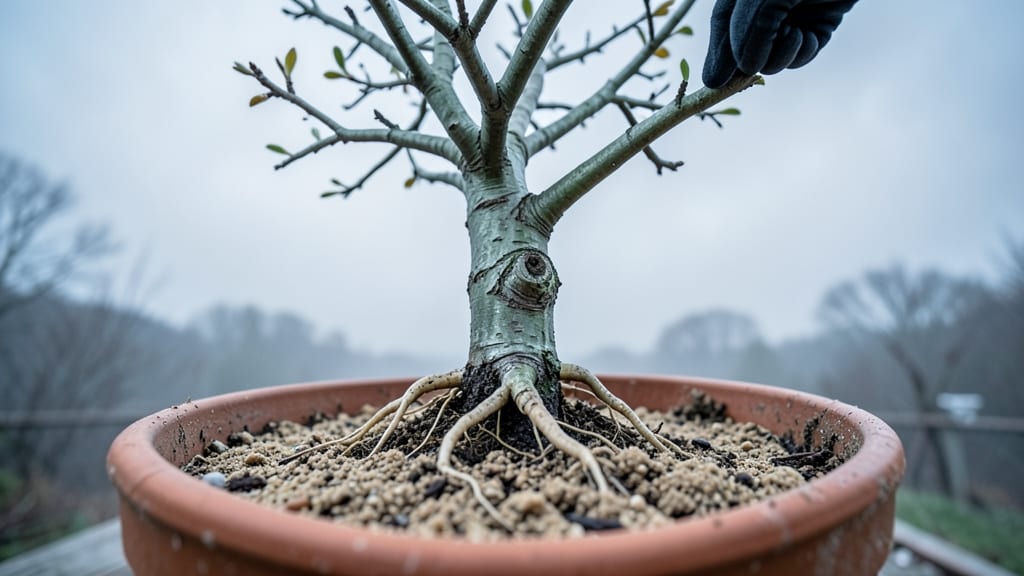
Winter dormancy might mean less growth, but your fig tree’s roots still need moisture to survive the cold. Unlike other plants, figs in containers or well-drained soil can dry out faster in winter winds, even when the air feels damp. A quick soil check—especially in potted figs—can prevent root stress before spring.
Test moisture by sticking your finger 2-3 inches into the soil. If it feels dry, water lightly (but only if the ground isn’t frozen). Containers dry out fastest, so monitor them weekly, while in-ground trees may need water every 3-4 weeks. Avoid soggy soil, which can rot roots—aim for consistency over saturation.
This small step makes a big difference for gardeners in dry-winter climates or those with container figs. A little moisture now ensures your tree wakes up strong and ready to fruit next season. 🌱
Planning Early Spring Revitalization Steps

Winter’s chill may slow your fig tree down, but a little early planning now ensures it bursts back to life stronger than ever when spring arrives. While other trees hibernate passively, figs need a revitalization roadmap—one that starts with jotting down notes today about what adjustments your tree will need once temperatures climb.
Start by sketching a quick pruning plan for late winter, focusing on removing any frost-damaged branches and thinning out crowded growth to improve airflow. Note whether your tree needs a light fertilizer boost (like a balanced 10-10-10) in early spring to replenish nutrients lost over winter, or if it’s better to wait until new growth appears. Also, mark your calendar to refresh mulch in late winter—adding 2-3 inches of fresh organic material will protect roots as the ground warms.
This proactive approach is especially valuable for urban gardeners with limited space or first-year fig growers still learning their tree’s quirks. By planning now, you’ll waste no time when spring hits—just grab your tools and get to work. 💡