
Trees
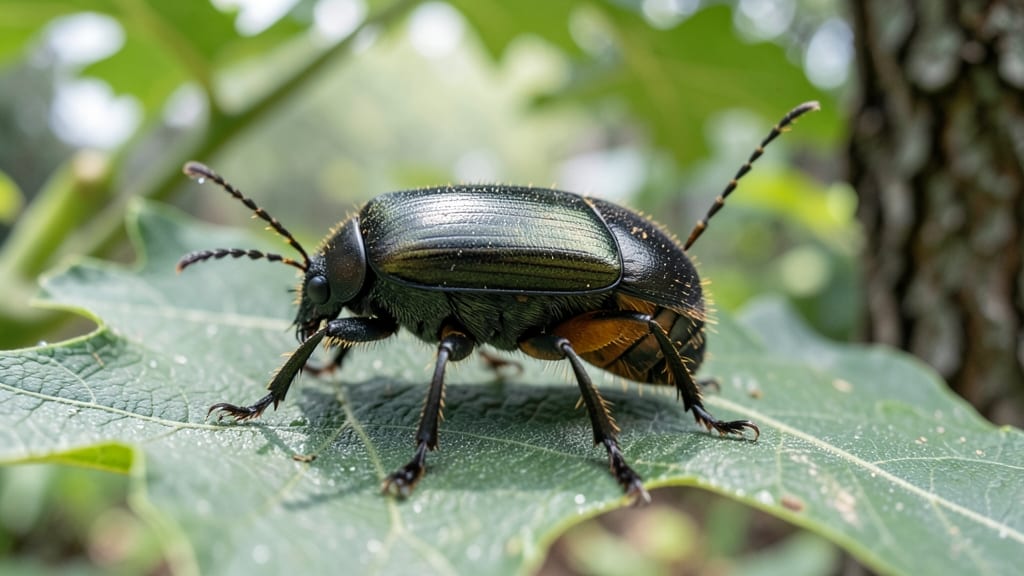
Fig tree borer infestations turn lush canopies into sad, sawdust-speckled skeletons—until you know how to fight back. 🌿 The good news? Natural defenses work better than chemicals for keeping your fig trees healthy and productive, without harming pollinators or your soil.
I’ve saved multiple trees using these targeted methods, and you can too.
You’ll spot the damage first: tiny holes in branches, wilting leaves despite regular watering, or that telltale frass (sawdust-like debris) near the trunk. The borer larvae tunnel beneath the bark, cutting off nutrients—so early action is everything.
My go-to organic remedies include neem oil sprays, beneficial nematodes, and pruning infected branches before the infestation spreads.
Within weeks of treatment, you’ll see new growth pushing through, leaves regaining their deep green, and the tree’s energy returning. The key is consistency: check for signs every 2-3 weeks during growing season, and apply preventative sprays in early spring before adults emerge. Your fig tree won’t just survive—it’ll thrive.
Works for both backyard figs and container-grown trees, and the methods scale from small patios to large orchards. Let’s get those borers out of your trees for good.
Root Causes of Tree Stress
The fig tree borer isn’t just a random pest—it thrives because your tree is already under stress. Understanding the why behind its presence helps you fix the problem at its source. Let’s break down the key factors that make your fig tree a buffet for these destructive larvae.
Healthy trees naturally repel pests through strong bark, resin production, and a robust immune system. But when fig trees are weakened, borers exploit their vulnerability.
- Nutrient Deficiencies: Lack of essential nutrients (like nitrogen, phosphorus, or potassium) weakens cell walls, making them easier for borers to penetrate. Think of it like a tree with low vitamin D—it’s more susceptible to infections.
- Water Stress: Overwatering or drought creates ideal conditions for borers. Too much moisture softens wood, while drought weakens the tree’s ability to fight off invaders.
- Poor Soil Quality: Compacted, low-oxygen soil restricts root growth, leaving the tree struggling to absorb water and nutrients. Borers detect these stressed trees from miles away!
Actionable Fix: Test your soil’s pH and nutrient levels (a simple home kit works). Amend with compost or organic fertilizer to restore balance. Pro Tip: 💡 Mulch around the base to retain moisture and improve root health.
Borers don’t just appear out of nowhere—they’re drawn to trees in the right (or wrong) environmental conditions. Here’s what makes your fig tree a target:
| Factor | How It Attracts Borers | Solution |
|---|---|---|
| 🌞 Overheating | Prolonged heat stress (especially in dry climates) weakens bark, making it easier for larvae to bore in. | Provide afternoon shade with a light cloth or strategic planting near taller trees. |
| 🌧️ Stagnant Water | Poor drainage or standing water near the trunk creates a damp, rot-prone environment—borer heaven. | Improve drainage with gravel or raised beds. Ensure the tree isn’t planted in a low-lying area. |
| 🌿 Overcrowded Roots | Competing roots from nearby plants or grass stress the fig tree, making it more attractive to borers. | Clear a 3-foot radius around the base and mulch to reduce competition. |
Pro Tip: 🌡️ Monitor your tree’s microclimate. If the bark feels spongy or cracks easily, it’s a red flag for borer activity.
Borers are opportunistic—they don’t create problems where none exist. Instead, they exploit pre-existing damage. Common entry points include:
- Pruning Cuts: Improper pruning (like leaving jagged edges or cutting too close to the trunk) creates open wounds. Borers detect these gaps and lay eggs inside.
- Animal or Human Harm: Rodents gnawing on bark, lawnmower damage, or even bird pecking can create perfect entry holes.
- Fungal or Bacterial Infections: Diseases like anthracnose or root rot weaken the tree’s structure, making it easier for borers to invade.
Actionable Fix: Always use sterilized tools when pruning, and seal cuts with pruning sealant to prevent infection. Pro Tip: ✨ Inspect your tree after storms—fallen branches or cracked bark are instant borer magnets.
By addressing these root causes, you’re not just treating the borer infestation—you’re making your fig tree unappealing to future pests. Next, we’ll explore how to fortify your tree’s defenses naturally.
Natural Ways to Rescue Your Trees
When fig tree borers strike, acting fast with the right methods can save your tree from irreversible damage. Below are targeted solutions based on the root cause of the infestation—whether it’s early signs, severe damage, or prevention for the long term.
Each approach is designed to be practical, effective, and eco-friendly, so you can restore your tree’s health without harsh chemicals.
If you’ve noticed small holes, sawdust-like frass, or wilting branches, the borers are likely just starting their damage. Early intervention is key!
✅ Fix It:
- Prune Infested Branches 🔪: Use sterilized pruning shears to cut and remove any branches showing signs of borer activity. Dispose of them in a sealed bag—do not compost—to prevent reinfestation.
- Inspect & Clean 🧼: Scrape away frass (borer waste) from the bark with a stiff brush. This removes hiding spots and makes it easier to spot new activity.
- Apply Beneficial Nematodes 🐛➡️💀: These microscopic worms (Steinernema carpocapsae) are natural predators of borer larvae. Mix them with water and apply to the soil around the tree’s base. Best done in early morning or late evening when nematodes are most active.
- Neem Oil Spray 🌿: Mix 1 tsp neem oil + 1 tsp mild soap per quart of water, then spray directly into borer holes and cracks in the bark. Neem disrupts their life cycle and deters future eggs.
💡 Pro Tip: If your tree is young or small, wrap the trunk with aluminum foil (smooth side out) to create a barrier that borers can’t penetrate. Remove and replace it seasonally.
If the borers have caused large exit holes, oozing sap, or widespread dieback, your tree needs emergency care to prevent collapse.
✅ Fix It:
- Drill & Drown Larvae ⚡🐛: Use a 1/8-inch drill bit to bore into active holes (aim for larvae). Fill each hole with a mix of water + horticultural oil to suffocate them. Repeat every 3–5 days for 2 weeks.
- Systemic Insecticide (Organic Option) 💊: For stubborn cases, use a borer-specific systemic insecticide like Azadirachtin (derived from neem). Follow label instructions to inject it into the trunk—this spreads through the tree’s vascular system, killing larvae from within.
- Cultural Recovery Boost 🌱: Strengthen the tree’s defenses by:
- Watering deeply (but not excessively) to reduce stress.
- Mulching with wood chips or compost to protect roots and retain moisture.
- Fertilizing with a balanced, slow-release fertilizer (avoid high-nitrogen—it attracts pests).
⚠️ Warning: If 50%+ of the trunk is compromised, the tree may be beyond saving. Consult an arborist to assess whether removal is the safest option.
The best defense is a proactive routine that makes your fig tree unappealing and unsafe for borers.
✅ Do This Year-Round:
- Encourage Natural Predators 🦋🐝:
- Plant companion plants like marigolds, lavender, or basil near your fig tree—their scents repel borers.
- Attract birds and parasitic wasps (borer enemies) with birdhouses and native flowering plants.
- Maintain Tree Health 💪:
- Prune regularly to remove dead/dying wood (borers love weak trees).
- Avoid overwatering—soggy soil attracts fungi and weakens roots.
- Apply kaolin clay (a non-toxic mineral spray) to trunks 2–3 times per year to create a barrier borers can’t cross.
- Seasonal Checkups 📅:
- Spring/Summer: Inspect for new holes or frass every 2 weeks.
- Fall/Winter: Seal large cracks in the bark with tree wound dressing (or pruning sealant) to block entry points.
🎯 Ultimate Prevention Hack: Plant trap trees (like a sacrificial fig tree in a less desirable spot) to divert borers away from your prized specimens.
🌟 Final Reminder: Consistency is key! Borers are persistent, but with regular monitoring and these natural methods, you can protect your fig tree for seasons to come—without resorting to toxic chemicals. 🌿✨
Frequently asked questions
What does fig tree borer damage look like?
Look for tiny holes in the bark (often with sawdust-like frass around them), wilting leaves despite regular watering, or oozing sap from cracks. Borers tunnel beneath the bark, disrupting nutrient flow—so check branches for weak spots or dead patches.
Can I save my fig tree if it’s already heavily infested?
Early action is critical! For severe cases, try drilling into holes to drown larvae with horticultural oil, or use systemic neem-based insecticides injected into the trunk. If 50%+ of the trunk is compromised, consult an arborist—removal may be safest.
Are there natural predators that help control fig tree borers?
Yes! Encourage parasitic wasps and birds by planting companion flowers (like marigolds) near your tree. Beneficial nematodes (like Steinernema carpocapsae) also hunt borer larvae—apply them to soil in early morning.
How often should I inspect my fig tree for borers?
Check every 2-3 weeks during growing season (spring/summer) for new holes or frass. In fall/winter, focus on sealing large cracks in the bark to block entry points. Consistency prevents reinfestation!
Will aluminum foil really protect my fig tree?
Yes! Wrapping the trunk with smooth aluminum foil creates a physical barrier borers can’t penetrate. Replace it seasonally—it’s a low-cost, chemical-free way to deter adults from laying eggs.