
Pruning
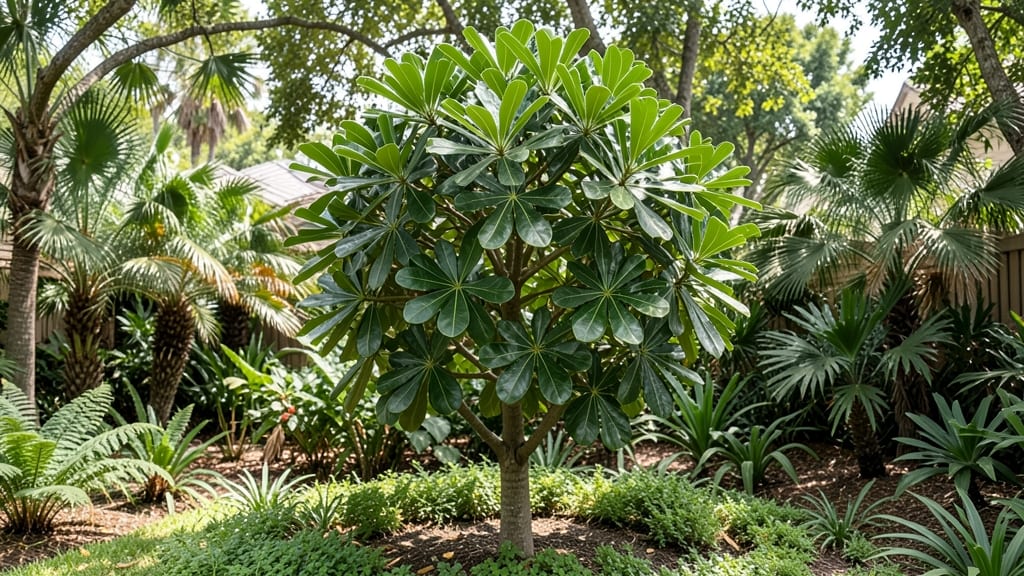
Growing an ellwoodii tree indoors transforms your space into a mini tropical paradise. 🌿 I’ve nurtured mine for years, and the secret isn’t complicated—it’s about light, water, and a little patience. This dwarf variety thrives with minimal fuss, giving you lush, glossy leaves that brighten any room year-round.
The key to keeping it happy starts with bright, indirect light—think east or west-facing windows. Overwatering is the #1 killer, so let the top inch of soil dry out between drinks. Well-draining potting mix and a pot with drainage holes prevent soggy roots, which lead to yellow leaves or worse.
With the right care, your ellwoodii will grow 2-3 feet tall in a few years, its branches arching gracefully. Prune leggy stems in spring to encourage bushier growth, and wipe the leaves occasionally to keep them dust-free and vibrant.
The payoff? A plant that looks expensive but costs next to nothing to maintain.
Even in dry indoor air, this variety stays resilient—just mist occasionally or place a tray of water nearby. Pests like spider mites rarely bother it, making it one of the easiest tropicals for beginners. Let’s get yours thriving!
📚 In This Guide
- What you need
- Instructions
- Tips and common mistakes
- Wrapping up and next steps
What you need
- ● Dwarf Ellwoodii Tree (Schefflera actinophylla 'Ellwoodii') – A healthy, potted specimen (3–5 gallons for mature plants).
- ● Well-draining potting mix – A blend of peat moss, perlite, and orchid bark (or a cactus/succulent mix) to prevent root rot.
- ● Pot with drainage holes – Terracotta or ceramic (8–12 inches in diameter for dwarf varieties).
- ● Pruning tools – Sharp bypass pruners (sterilized with rubbing alcohol) or sterilized scissors for precision cuts.
- ○ Rooting hormone (optional but helpful) – A gel or powder to encourage healthy regrowth after pruning.
- ● Gloves – To protect hands from sap (can be irritating to some).
- ● Spray bottle with water – For misting leaves post-pruning.
- ● Houseplant fertilizer – Balanced liquid fertilizer (10-10-10 or 20-20-20, diluted to half-strength).
- ○ Grow lights (optional) – LED full-spectrum lights (12–16 hours/day) if natural light is insufficient.
- ● Humidity tray or pebble tray – To maintain 40–60% humidity, especially in dry climates.
- ● A bright, indirect light spot (east or north-facing window is ideal).
- ● Consistent watering routine – Allow top 1–2 inches of soil to dry between waterings.
- ● Patience for recovery – Pruned stems may take 4–6 weeks to regrow.
Step-by-step indoor care for your Ellwoodii tree
Here's how to keep your dwarf Ellwoodii thriving indoors year-round with minimal fuss.
🪴 Step 1: Choose the Right Pot and Drainage
Start with a pot that's only 2-3 inches wider than the root ball to prevent soil from staying too wet. The Ellwoodii's roots prefer snug spaces that dry out between waterings. I like terracotta pots because they breathe—you'll notice the soil dries faster than in plastic containers.
Make sure the pot has drainage holes. If yours doesn't, drill a few near the bottom. Place a small layer of gravel or broken pottery at the bottom before adding soil. This keeps roots from sitting in water while allowing excess moisture to escape. The key is balance—too much drainage means roots dry out too fast, but too little causes root rot.
☀️ Step 2: Position for Optimal Light
Your Ellwoodii needs bright, indirect light for at least 6 hours daily. The best spot is near an east-facing window where morning sun warms the leaves without scorching them. If you only have south-facing windows, place it 3-4 feet back to avoid direct afternoon rays.
Watch the leaves for clues: dark green with slight sheen means perfect light. Yellowing or pale new growth signals too much sun, while leggy stems with sparse leaves mean it's not getting enough. Rotate the pot a quarter turn weekly so the tree grows evenly—you'll see fuller branches within a few weeks.
💧 Step 3: Water with Precision
Water when the top 1-2 inches of soil feel dry to the touch. Stick your finger in—if it comes out clean, it's time. I water deeply until it runs out the drainage hole, then empty the saucer 10 minutes later to prevent soggy roots. Overwatering is the #1 killer of Ellwoodii trees indoors.
In winter, when heating systems dry the air, you might water every 10-14 days. In summer, when humidity rises, it could be every 5-7 days. Always check the soil first—don't rely on a schedule. The tree will tell you when it's thirsty by drooping slightly before wilting.
🌿 Step 4: Maintain Humidity and Clean Leaves
Ellwoodii trees love humidity—aim for 40-60% to mimic their tropical origins. In dry homes, I place the pot on a tray of pebbles with water (never letting roots touch it) or use a humidifier nearby. You'll notice fewer brown leaf tips and healthier new growth within a month.
Wipe leaves gently with a damp cloth every 2 weeks to remove dust. Dust blocks light absorption, causing leaves to yellow or drop prematurely. The tree's glossy foliage is its signature—keep it shining to maintain that lush look. Avoid harsh chemicals; just use lukewarm water and a soft cloth.
✂️ Step 5: Prune for Shape and Health
Prune in late winter or early spring when new growth begins. Use clean, sharp scissors to trim back leggy stems to just above a leaf node. This encourages bushier growth. I also remove any yellow or brown leaves immediately—they drain energy from the plant. You'll see fresh, vibrant leaves emerge within 2-3 weeks of pruning.
Never cut more than 1/3 of the foliage at once. The Ellwoodii is resilient but not aggressive—it prefers gentle shaping over dramatic haircuts. After pruning, give it a light misting to reduce stress. The goal is to maintain its natural shape while encouraging dense, healthy growth throughout the year.
Tips & tricks for perfect Ellwoodii tree indoors
These simple strategies will help you maintain that lush, vibrant look your Ellwoodii deserves year-round.
Pot Selection Matters: When choosing a pot, remember that terracotta isn't just about looks—it actually helps regulate soil moisture. The 2-3 inch wider rule prevents overcrowding while allowing proper airflow. If you're repotting, do it in spring when new growth begins, and always use a pot with drainage holes. I've seen roots rot when people skip this step, so don't overlook it!
Light Monitoring System: The 6 hours of bright, indirect light is non-negotiable, but here's what I do to make it easier: Place a small mirror near the window angled toward the tree. This reflects extra light during cloudy days without risking direct sunburn. Also, if you notice leaves leaning toward the light, it's time to rotate that quarter turn weekly—consistency is key for even growth.
Watering Hack: That 10-minute wait after watering to empty the saucer is crucial. I set a timer when I water so I don't forget. Pro tip: Use a moisture meter for the top 1-2 inches of soil—it's more accurate than guessing. In winter, I water less frequently because my home's heating system dries the air, but I always check first. The tree's slight droop is its way of saying "I'm thirsty," not "I'm dying."
Pruning Precision: When pruning those leggy stems, always cut just above a leaf node—this is where new growth will emerge. I use small, clean scissors and make the cut at a 45-degree angle to prevent water from pooling. After pruning, I give the tree a light misting to reduce stress. Remember, never remove more than 1/3 of the foliage at once—the Ellwoodii is delicate but resilient when treated gently.
Pro Tips for Ellwoodii Tree Indoors
- These simple strategies will help you maintain that lush, vibrant look your Ellwoodii deserves year-round.
- Pot Selection Matters: When choosing a pot, remember that terracotta isn't just about looks—it actually helps regulate soil moisture.
- Light Monitoring System: The 6 hours of bright, indirect light is non-negotiable, but here's what I do to make it easier: Place a small mirror near the window angled toward the tree.
Frequently asked questions
Got questions about keeping your Ellwoodii tree thriving indoors? You’re not alone! Here are some of the most common concerns—plus expert-friendly answers to keep your dwarf variety lush year-round.
Can an Ellwoodii tree survive indoors long-term, or is it better suited for outdoor pots?
With the right care, your Ellwoodii (a dwarf olive tree) can thrive indoors for years! It loves bright, indirect light (like a south- or west-facing window) and tolerates indoor humidity if you mist leaves or use a pebble tray. Just avoid drafts and ensure proper drainage—outdoor pots are ideal for winter, but a sunny indoor spot works year-round with consistent care.
How often should I prune my indoor Ellwoodii tree to encourage bushier growth?
Prune lightly in early spring (before new growth) to shape and encourage branching. Trim back leggy stems by ⅓ to promote denser foliage, and remove any dead or yellowing leaves. Avoid heavy pruning—this tree responds best to gradual shaping. For indoor varieties, a trim every 3–4 months keeps it tidy without stressing the plant.
Why are the leaves on my Ellwoodii tree turning yellow, even though I’m watering it?
Yellowing leaves often signal overwatering or poor drainage. Let the top 1–2 inches of soil dry out between waterings, and ensure your pot has drainage holes. If the roots smell sour or the soil feels soggy, reduce watering and repot in fresh, well-draining cactus/succulent mix. Brown edges? That’s usually underwatering—keep soil lightly moist but never soggy.
Is artificial grow light necessary for an indoor Ellwoodii tree, or can natural light suffice?
Natural light is ideal, but if your space lacks bright windows, a full-spectrum LED grow light (12–14 hours/day) can save your tree. Place it 12–18 inches above the foliage and adjust as the tree grows. South-facing windows are best, but east or west exposure works too—just rotate the pot monthly for even growth.
What are the best indoor alternatives if my Ellwoodii tree struggles with indoor conditions?
If your Ellwoodii craves more outdoor conditions, try these low-maintenance indoor trees:
- Dwarf Olive (Olea europaea ‘Little Ollie’) – Similar care, more compact.
- Juniper ‘Blue Rug’ – Thrives in bright light, drought-tolerant.
- Schefflera ‘Amate’ – Hardy, glossy leaves, and forgiving of indoor air.
- Citrus trees (like Meyer Lemon) – Loves sunlight and humidity (great for kitchens!).
Wrapping up and next steps
Growing a Dracaena marginata 'Colorama' (Ellwoodii) indoors is a rewarding way to bring a touch of tropical elegance to your space! With the right care—like bright, indirect light, occasional pruning, and well-draining soil—you’ll enjoy its striking variegated foliage year-round. Remember: patience and consistency are key! 🌿
Ready to elevate your indoor jungle? Start by assessing your plant’s needs—whether it’s adjusting light exposure, trimming overgrowth, or troubleshooting common issues. Next, explore our pruning guide to keep your Ellwoodii thriving and lush!