
Pruning
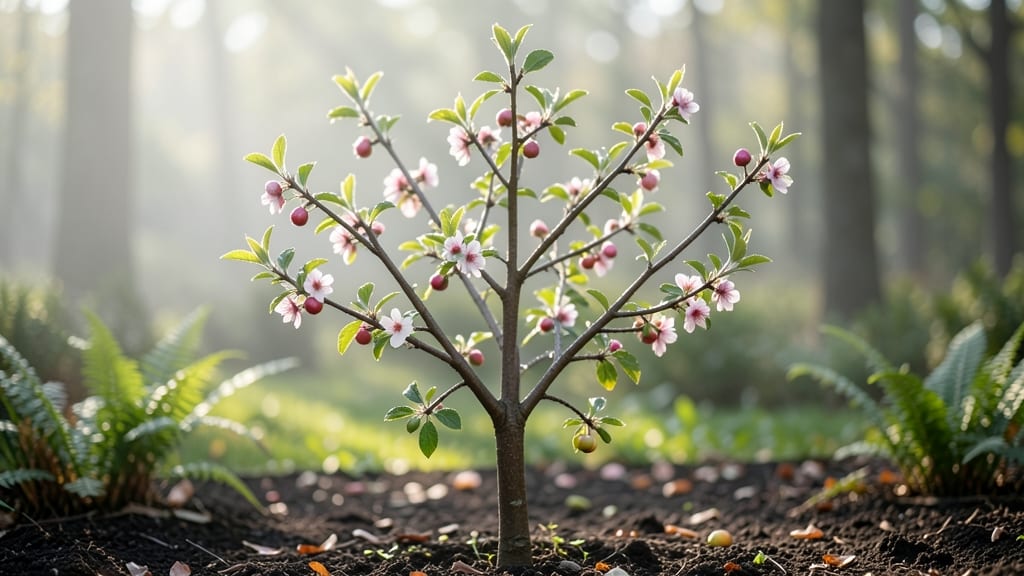
Planting a crabapple tree sapling means waking up to a canopy of fragrant blossoms every spring. 🌸 I’ve learned that the secret to a compact, floral-filled tree isn’t just about planting—it’s about pruning year-round to shape its growth and encourage those showstopping blooms.
Most people wait until spring, but I’ve found that strategic cuts in winter and summer actually boost flower production and keep the tree manageable.
The first step is choosing the right spot—full sun and well-draining soil are non-negotiable. My sapling thrives in a spot where it gets at least 6 hours of sunlight daily, and the soil mix I use (60% native soil, 30% compost, 10% sand) prevents waterlogging.
After planting, deep watering once a week keeps roots happy without drowning them, and mulch helps retain moisture while keeping weeds at bay.
Pruning transforms a wild, leggy sapling into a neat, flowering masterpiece. In late winter, I remove dead or crossing branches, and in summer, I trim back any overgrowth to maintain the shape.
The result? A tree that stays under 15 feet tall while bursting with blooms from late spring to early summer. The fragrance alone makes it worth the effort.
Pests like aphids or borers can be a nuisance, but a strong tree resists them better. I’ve found that a hose spray for aphids and regular inspections for early signs of borers keep my tree healthy.
With consistent care, your crabapple will reward you for years—imagine sipping coffee under its blossoms every morning!
📚 In This Guide
- What you need
- Instructions
- Tips and common mistakes
- Wrapping up and next steps
What you need
- ● Pruning shears: Bypass pruners (sharp, clean, and sterilized with rubbing alcohol or bleach solution). Size: 6–8 inches for small branches.
- ● Loppers: For thicker branches (½–1.5 inches). Quantity: 1 pair.
- ○ Hand saw: Pruning saw with fine teeth for stubborn, woody growth. Optional: Replace with a folding saw for portability.
- ● Gloves: Heavy-duty gardening gloves (cut-resistant for safety). Tip: Choose breathable fabric to avoid sweaty palms!
- ○ Pruning sealant: Tree wound paint or pruning paste (optional but helpful for large cuts). Size: Small jar (4–8 oz).
- ● Disposable pruning bags: 2–3 bags to collect clippings and debris.
- ● Ladder or step stool: Extendable or stable (if your sapling is over 6 feet tall). Safety first!
- ● Weather check: Prune on a dry, overcast day (avoid wind or rain within 24 hours).
- ● Sterilization: Clean tools with 70% isopropyl alcohol or a 10% bleach solution (1 part bleach to 9 parts water) to prevent disease spread.
- ● Safety gear: Safety glasses (to shield from debris) and long sleeves/pants.
- ● Tree health assessment: Inspect for pests/diseases before pruning. Pro tip: Snap a photo of any issues for later reference!
- ● Extension pole pruners (for high branches).
- ● Sharpie marker (to label cuts if training the tree’s shape).
- ● Compost bin (to recycle pruned branches as mulch).
- ● Tree growth regulator (if using to control rapid growth).
Step-by-step year-round pruning for a compact crabapple sapling
Here’s how I shape my crabapple saplings into sturdy, flowering powerhouses—without sacrificing health or beauty.
✂️ Step 1: Late Winter Cleanup (Dormant Season)
Wait until late February or early March when the tree is still dormant but pests are less active. Grab your sharp pruning shears and inspect the sapling for dead, crossing, or rubbing branches—these are your first targets. Remove any limbs that grow directly inward or rub against others, as these wounds invite disease.
Cut just outside the branch collar (the swollen area where the branch meets the trunk). Avoid leaving stubs—this prevents rot and encourages clean healing. For larger branches over ½ inch thick, use loppers instead of shears to avoid tearing the bark. I like to make my cuts at a 45-degree angle sloping away from the branch collar for better water runoff.
☀️ Step 2: Early Spring Growth Shaping (After Bud Break)
Once you see buds swell (usually 2-3 weeks after last frost), it’s time to shape the tree’s structure. Focus on removing water sprouts (fast-growing, vertical shoots) and weak, spindly branches that won’t support flowers well. These cuts encourage the tree to put energy into stronger, flowering limbs.
Step back often to visualize the tree’s natural shape. Aim for an open-center form—this allows sunlight to reach the center, where most flowers bloom. If a branch grows too close to another, thin it out completely rather than trying to bend it. Remember: never remove more than 25% of the tree’s foliage in one season—this stresses young saplings.
🌿 Step 3: Summer Light Pruning (Post-Flowering)
After the tree finishes blooming (typically late June or early July), take a final pass to thin out crowded areas and shorten overly vigorous shoots. This is the time to prune suckers (shoots growing from the base or trunk) and renewal branches (older limbs that flower poorly).
Use hand pruners for small branches and loppers for anything thicker. Make cuts just above a leaf bud or side branch—this ensures the tree can quickly seal the wound. Avoid heavy pruning now; instead, focus on fine-tuning the tree’s shape. You’ll notice new growth filling in gaps within 4-6 weeks, so don’t rush this step.
⏰ Step 4: Fall Maintenance (Preparing for Winter)
In late October or early November, give the sapling a final check for diseased or storm-damaged branches. Remove any limbs with mushroom-like growths (a sign of fungal infection) or split bark. Disinfect your tools with rubbing alcohol between cuts to prevent spreading pathogens.
This is also the time to reduce watering if your area hasn’t had rain—crabapples are drought-tolerant once established, but young saplings still need deep watering every 2 weeks unless the soil is naturally moist. Mulch around the base with 2-3 inches of organic mulch (like shredded bark) to protect roots from freezing temperatures.
Tips & tricks for perfect crabapple sapling pruning
Transforming a wild sapling into a showstopping floral display takes more than just timing—it’s about precision and patience. Here’s how to avoid common pitfalls and elevate your results.
Tool Selection Matters: Invest in a good pair of bypass pruners for clean cuts on branches under ½ inch thick—they leave smoother edges than anvil pruners, which crush stems. For branches over ½ inch, loppers are essential, but make sure they’re sharp enough to cut cleanly without tearing. I’ve ruined several cuts using dull tools, so always sharpen your blades before starting. The cleaner the cut, the faster the wound seals and the less stress on the tree.
The 25% Rule is Non-Negotiable: In Step 2, when shaping your crabapple’s structure, never remove more than 25% of the foliage in one season. This rule prevents shock and helps maintain the tree’s energy reserves. If you’re unsure, step back and count the branches—it’s easier to remove fewer than to fix an over-pruned tree. I learned this the hard way after seeing a sapling struggle for years after a heavy pruning session.
Visualize the Open-Center Form: The goal in Step 2 is an open-center shape where sunlight reaches all the way to the center of the tree. This isn’t just about looks—it ensures the center blooms as heavily as the outer branches. Hold your pruners at a 45-degree angle when cutting to encourage outward growth, and always remove branches that grow inward or cross others. Think of it like sculpting: you’re shaping the tree’s future shape, not just trimming excess.
Fall Disinfection is Critical: In Step 4, when checking for diseased branches, always disinfect your tools between cuts. Use rubbing alcohol on a cloth to wipe down blades—this prevents spreading fungal spores or bacterial infections from one cut to the next. I’ve seen entire saplings decline because of this oversight, so take the extra 30 seconds to sanitize your tools. It’s a small step that makes a huge difference in your tree’s long-term health.
Pro Tips for Crabapple Tree Sapling
- Transforming a wild sapling into a showstopping floral display takes more than just timing—it’s about precision and patience.
- Tool Selection Matters: Invest in a good pair of bypass pruners for clean cuts on branches under ½ inch thick—they leave smoother edges than anvil pruners, which crush stems.
- The 25% Rule is Non-Negotiable: In Step 2, when shaping your crabapple’s structure, never remove more than 25% of the foliage in one season.
Frequently asked questions
When is the best time to prune a crabapple sapling for compact growth?
Prune your sapling late winter or early spring (just before buds swell) to encourage dense, floral-filled growth. Light summer pruning (after flowering) can also help maintain shape, but avoid heavy cuts—this can stress young trees. Never prune in fall unless removing dead wood.
How often should I prune a young crabapple tree?
For saplings (under 3 years old), focus on annual pruning in late winter to establish structure. Older trees benefit from light pruning every 1–2 years, prioritizing dead, diseased, or crossing branches. Pro tip: Limit cuts to no more than 25% of the canopy per year to avoid shock.
Why aren’t my crabapple flowers as abundant as expected?
Over-pruning, poor nutrition, or lack of sunlight (6+ hours daily) can reduce blooms. Ensure your sapling gets balanced fertilizer (10-10-10) in early spring, and avoid heavy pruning after flowering. Stress signs? Check for pests (aphids, scale) or fungal issues (black spot)—treat with neem oil or fungicide if needed.
Can I prune a crabapple sapling in winter if it’s dormant?
Yes! Dormant pruning (late winter) is ideal for structural shaping and removing dead wood. However, avoid heavy cuts—saplings are vulnerable to sunscald or frost damage. Wait until temps rise above 40°F (4°C) for 3+ days before pruning to minimize stress.
What’s a good alternative if my sapling isn’t thriving?
If your crabapple struggles with pests, disease, or poor growth, consider dwarf varieties like ‘Dolgo’ or ‘Sargent’ (compact, cold-hardy). For instant color, try ornamental cherries (e.g., ‘North Star’) or serviceberries—they’re equally low-maintenance and floral-packed!
How do I fix “water sprouts” or ugly growth on my sapling?
Water sprouts (fast-growing vertical shoots) steal energy from flowers. Cut them at the base (just above a bud) in late winter or early spring. For uneven growth, prune to balance the canopy, thinning dense areas to improve airflow. Pro move: Sterilize tools with rubbing alcohol to prevent disease spread.
Wrapping up and next steps
Growing a crabapple tree sapling into a stunning, compact floral powerhouse is totally within your reach—with the right pruning know-how! By mastering year-round trimming, you’ll encourage vibrant blooms, strong structure, and a manageable size that fits even small gardens. Remember: patience and consistency are your best friends.
Ready to transform your backyard? Start by booking a follow-up pruning session in early spring—just as buds begin to swell. Before you know it, your crabapple sapling will be the star of your landscape! 🌸✂️