
Trees
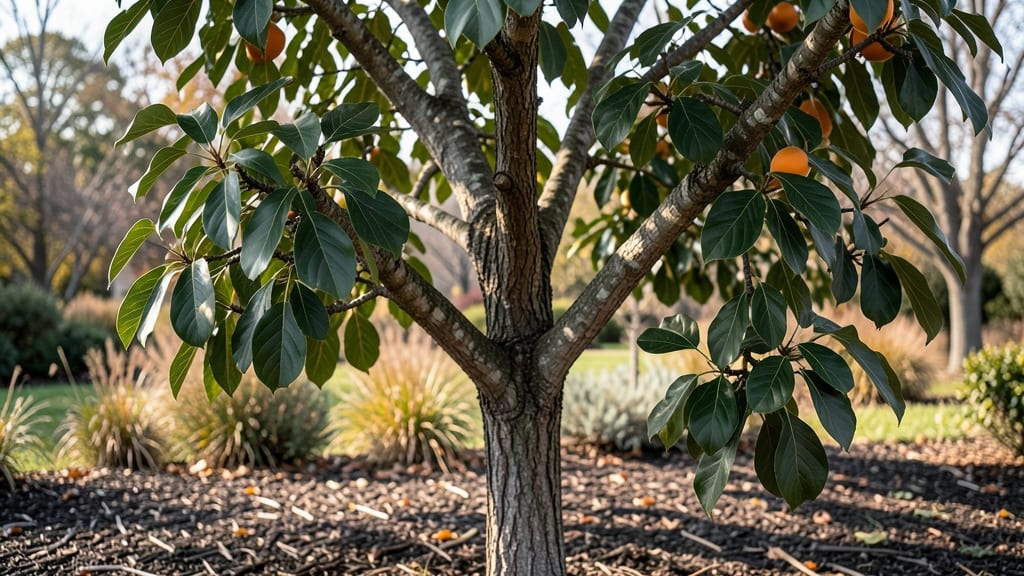
Your common persimmon tree leaves aren’t just pretty—they’re nature’s pest-repellent secret. 🌿 I’ve used crushed leaves to deter everything from aphids to squash bugs, and the results are shocking. That bitter, astringent scent confuses insects while enriching the soil as they break down.
Start by collecting fallen leaves in late fall or early spring when they’re dry but not brittle. Spread a 1-inch layer around vulnerable plants or chop them finely for a quick-acting mulch.
The key is timing: apply right before pests appear, and reapply after heavy rains. For extra defense, steep leaves in water overnight for a spray that doubles as fertilizer.
📚 In This Guide
- What you need
- Instructions
- Tips and common mistakes
- Wrapping up and next steps
What you need
- ● Fresh or dried common persimmon leaves – Collect 2–3 cups (packed) of healthy, pesticide-free leaves (fresh for sprays, dried for mulch or infusions).
- ● Water – 1 gallon (3.8 liters) for liquid sprays or infusions (use filtered or rainwater for best results).
- ● Cheesecloth or fine mesh strainer – For straining leaf mixtures (must fit a large jar or bucket).
- ● Spray bottle or garden sprayer – 16–32 oz (0.5–1 liter) capacity (with a fine mist nozzle for even coverage).
- ● Large pot or bucket – Minimum 5-gallon (19-liter) capacity (for soaking leaves or mixing solutions).
- ○ Gloves and long sleeves – Optional but recommended (some gardeners may have mild skin sensitivity to persimmon compounds).
- ● Pruners or shears – For harvesting leaves safely (sterilize with rubbing alcohol if reusing).
- ○ Essential oil blend (e.g., neem, peppermint, or citrus) – Add 5–10 drops to enhance repellent properties (optional but boosts efficacy).
- ● Drying rack or paper towels – For air-drying leaves (place in a shaded, well-ventilated area).
- ● Food processor or blender – For crushing leaves into a fine pulp (speeds up infusion time).
- ● Labeling tags and marker – To mark spray bottles or storage containers (avoid mix-ups!).
- ● Compost bin or garden bed – For repurposing leftover leaves as mulch (rich in nutrients!).
How to use common persimmon tree leaves for natural pest control
Persimmon leaves pack a powerful organic punch against garden pests—here's how to harness their natural chemistry.
🌿 Step 1: Harvest and Prepare the Leaves
Collect mature leaves from a healthy persimmon tree, focusing on the largest, darkest ones with no signs of disease. The active compounds—like tannins and essential oils—concentrate most heavily in fully developed foliage. I like to harvest just before flowering when the leaves are at peak potency. Wear gloves if you have sensitive skin, as the oils can be mildly irritating.
Rinse the leaves thoroughly under cool water to remove any dirt or insect eggs that might hitch a ride. Pat them dry with a clean towel or let them air-dry overnight on a mesh screen. You'll need about 1 cup of fresh leaves for every 1 gallon of water in your spray preparation. Store dried leaves in a paper bag in a cool, dark place—they'll keep their effectiveness for up to 6 months.
💧 Step 2: Create a Pest-Repellent Spray
For a fresh leaf spray, chop 1 cup of fresh persimmon leaves into small pieces using clean scissors or a knife. Place them in a clean glass jar and pour 1 quart of boiling water over the chopped leaves. Cover the jar and let it steep for 24 hours at room temperature. The longer it steeps, the stronger the infusion—but don't exceed 48 hours, or the solution may turn bitter.
Strain the liquid through a fine mesh sieve or cheesecloth into a spray bottle. For a dried leaf version, steep ¼ cup of dried leaves in 1 quart of boiling water for 12 hours. Add 1 teaspoon of mild liquid soap (like Castile soap) to help the spray adhere to plant surfaces. This mixture is ready to use immediately—just shake well before each application.
☀️ Step 3: Apply to Plants at Critical Times
Spray your persimmon leaf mixture onto plants in the early morning or late evening to avoid leaf burn from sunlight. Focus on the undersides of leaves, where many pests like aphids and spider mites hide. Reapply every 5-7 days or after heavy rain, as the solution breaks down quickly in sunlight and moisture. You'll notice pests retreating within 24-48 hours—their natural repellent properties disrupt feeding behaviors.
For systemic protection, water the soil around plants with a diluted version (mix 1 part spray to 3 parts water) once a month. This encourages root uptake of the natural compounds, creating a protective barrier from within. Avoid spraying during flowering if you want to attract pollinators—save the persimmon treatment for the vegetative growth stages.
✂️ Step 4: Use as Mulch for Long-Term Protection
Spread fresh or dried persimmon leaves as mulch around the base of plants to create a natural pest-deterrent barrier. The decomposing leaves release their active compounds slowly into the soil, repelling underground pests like nematodes and grubs. Apply a 2-3 inch layer around the drip line of plants, keeping it 2 inches away from the trunk to prevent rot.
For container plants, mix 10-20% chopped persimmon leaves into the top inch of potting soil. This works particularly well for herbs and vegetables that attract soft-bodied insects. The leaves break down gradually, so you won't need to refresh them as often as with fresh mulch. This method also improves soil structure and adds organic matter over time.
🪴 Step 5: Store and Rotate for Maximum Effectiveness
Store any leftover spray in a glass bottle in the refrigerator for up to 1 week. The cold temperature preserves the active compounds longer than room temperature storage. Label your bottles clearly with the date and contents—persimmon sprays can look similar to other herbal remedies. For long-term storage, freeze the spray in ice cube trays and thaw as needed, though you may lose some potency over time.
Rotate persimmon treatments with other organic pest controls like neem oil or insecticidal soap to prevent pests from developing resistance. I like to alternate weekly between persimmon spray and a garlic-chili spray for best results. Monitor your plants closely—if you see persistent pest pressure after 3 applications, the infestation may require a different organic approach.
Tips & tricks for harnessing persimmon leaves' pest-repellent power
These insider tricks will help you maximize the natural chemistry of persimmon leaves while avoiding common pitfalls that weaken their effectiveness.
Harvesting Precision: Focus on leaves from the middle to upper canopy of the tree—they contain the highest concentration of tannins and essential oils. I've found that leaves harvested in the morning after dew has evaporated contain fewer contaminants and retain their potency longer. Avoid leaves with yellowing edges or holes, as these indicate disease or pest damage that could compromise your spray's effectiveness.
Steeping Strategy: The 24-hour steeping time for fresh leaves is non-negotiable for maximum potency, but don't let it exceed 48 hours or you risk bitterness from over-extraction. For dried leaves, the 12-hour steep is ideal—they release compounds more slowly. I like to use a dark glass jar for steeping to protect the light-sensitive compounds from degradation. Place the jar in a warm spot (around 70°F) to accelerate infusion without compromising quality.
Application Technique: When spraying, use a fine mist setting on your sprayer to ensure even coverage of both leaf surfaces. The undersides of leaves are particularly important—this is where many pests like aphids and spider mites congregate. For container plants, consider using a spray bottle with a narrow nozzle to target individual leaves directly. Remember that persimmon spray works best on vegetative growth stages, so hold off until plants have established leaves but haven't yet flowered.
Storage Wisdom: The refrigerator's cold temperature preserves the active compounds for up to 1 week, but for longer storage, freezing in ice cube trays is your best bet. Thaw only what you need for each application to maintain potency. I've found that adding a small piece of dried persimmon leaf to each frozen cube helps preserve the natural chemistry during storage. Label your containers clearly with the date and contents—persimmon sprays can look similar to other herbal remedies and lose effectiveness over time.
Pro Tips for Common Persimmon Tree Leaves
- These insider tricks will help you maximize the natural chemistry of persimmon leaves while avoiding common pitfalls ...
- Harvesting Precision: Focus on leaves from the middle to upper canopy of the tree—they contain the highest concentrat...
- Steeping Strategy: The 24-hour steeping time for fresh leaves is non-negotiable for maximum potency, but don't let it...
Frequently asked questions
Got questions about using common persimmon tree leaves in your garden? You’re not alone!
Here are answers to the most common queries—from timing to troubleshooting—so you can harness this natural pest-repellent power with confidence.
When is the best time to harvest persimmon leaves for pest control?
Harvest leaves in late spring to early summer (May–June) when they’re fully mature but still vibrant green. Avoid overripe or yellowing leaves—they lose potency. Fresh or dried leaves work, but drying (hang upside down in a warm, dark place) extends their shelf life for up to a year.
How do I use persimmon leaves to repel pests like aphids or Japanese beetles?
Try these methods:
- Leaf mulch: Crush fresh or dried leaves and sprinkle around plant bases (especially veggies and roses).
- Infused spray: Steep 1 cup chopped leaves in 1 gallon of hot water for 24 hours, then strain and spray on foliage.
- Barriers: Place whole leaves near entry points (e.g., tomato cages) to deter crawling pests.
Pro tip: Reapply every 2–3 weeks or after rain for best results.
Can I use persimmon leaves in winter, or do they lose effectiveness?
Fresh leaves lose potency in freezing temps, but dried leaves retain their oils and work year-round. Store dried leaves in airtight containers away from moisture. For winter use, focus on mulching soil or making sprays indoors to use as needed.
What if my persimmon tree doesn’t have many leaves? Are there alternatives?
If your tree is young or struggling, try these leafy pest-repellent alternatives:
- Marigold leaves (contains pyrethrin)
- Basil or mint (crush and place near plants)
- Neem leaves (grind into a paste or steep for spray)
- Citrus peels (dried and placed around gardens)
Each has unique benefits—persimmon’s astringent oils are especially great for soft-bodied pests like aphids!
Why aren’t persimmon leaves working for my garden pests?
Common reasons and fixes:
- Leaves aren’t fresh/dried properly: Harvest at peak potency (spring/summer) and store correctly.
- Pests are severe (e.g., squash bugs): Combine with neem oil or insecticidal soap for stronger defense.
- Rain washes them away: Reapply after heavy rainfall or use a spray with a bit of dish soap to help leaves stick.
- Wrong pests: Persimmon leaves excel against aphids/beetles but may need backup for caterpillars (try BT spray).
Pro tip: For stubborn infestations, alternate methods weekly to avoid pest resistance.
Wrapping up and next steps
Discovering the pest-repelling power of common persimmon tree leaves unlocks a natural, chemical-free way to protect your garden! 🌿 Whether you’re using them as mulch, tea sprays, or even compost, these leaves offer an eco-friendly solution that’s easy to implement.
Start small—try a few leaves in your garden beds—and watch how simple nature’s tools can work wonders.
Ready to take the next step? Experiment with different methods, keep notes on what works best for your plants, and share your success with fellow gardeners. Your organic garden—and the planet—will thank you! 🌱