
Pruning
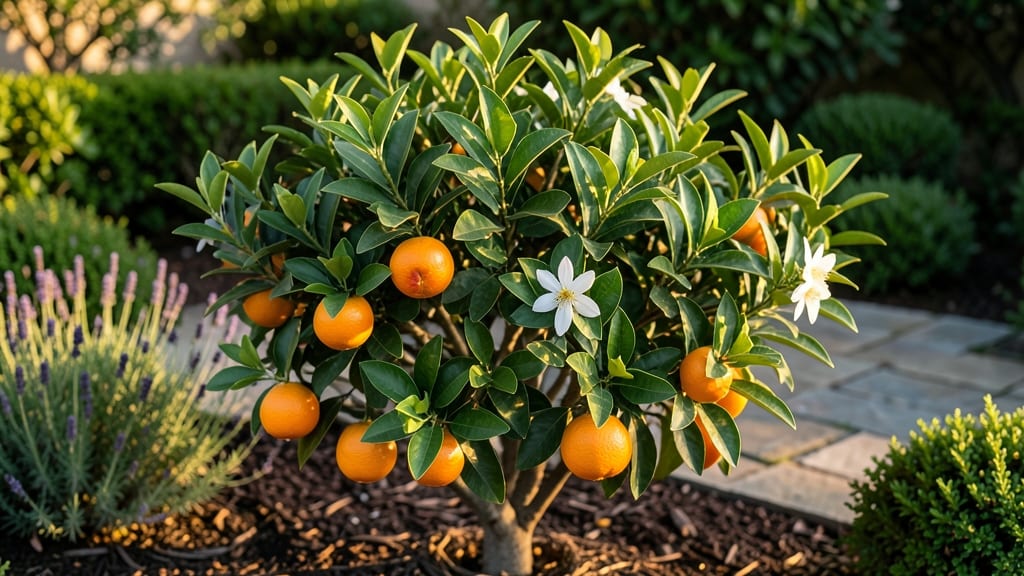
A Cara Cara orange tree’s mature size ranges from 12 to 25 feet, depending on whether you choose a standard, semi-dwarf, or dwarf variety.
If you're dreaming of a backyard bursting with vibrant Cara Cara oranges but wondering how big these trees really get, you’re not alone—tree size can make or break your garden planning.
Standard varieties can tower like a small tree, while dwarf types stay manageable for containers or small yards. The right spacing and pruning are key to controlling growth without sacrificing fruit production.
Below, I break down the exact heights by variety, how fast they grow, and the best ways to keep them in check for a thriving, low-maintenance harvest.


How tall does a Cara Cara orange tree grow? Mature size by variety
Planning your dream citrus grove but unsure how much space to dedicate to your Cara Cara orange tree? The mature size of this stunning pink-fleshed citrus variety varies dramatically depending on the rootstock and variety you choose.
Standard trees can tower over your backyard, while dwarf options fit cozy patios—each with unique spacing needs to thrive.
Understanding these height ranges helps you balance fruit production with garden aesthetics. A 15-foot standard tree needs room to breathe, while a 6-foot dwarf can nestle near your deck. Let’s break down the exact dimensions and spacing requirements so you can plant with confidence.
📊 Key Insight: The right rootstock can reduce a tree’s height by 50% or more, making container growing feasible even in small spaces.
| Variety | Mature Height (ft) | Mature Spread (ft) | Spacing Needs (ft) | Best For |
|---|---|---|---|---|
| Standard (Seedling) | 12–16 ft | 12–15 ft | 20–25 ft apart | Large gardens, orchards |
| Semi-Dwarf (Swingle/Citrange) | 8–10 ft | 8–10 ft | 12–15 ft apart | Backyards, small orchards |
| Dwarf (Flying Dragon) | 6–8 ft | 6–8 ft | 8–10 ft apart | Containers, patios, urban gardens |
| Container-Grown (Any) | 4–6 ft (pruned) | 3–5 ft | 15–25 gallon pot | Balconies, decks, small spaces |
Standard Cara Cara orange trees on seedling rootstock reach 12–16 feet tall at maturity, with a spread of 12–15 feet. These giants need 20–25 feet of space between them to prevent overcrowding, which can reduce fruit quality.
If your yard is more modest, opt for semi-dwarf varieties grafted onto Swingle or Citrange rootstock, which max out at 8–10 feet tall and 8–10 feet wide.
For urban gardeners or those with limited space, dwarf Cara Cara trees like those grafted onto Flying Dragon rootstock are the answer. These stay compact at 6–8 feet tall and fit perfectly in 8–10 feet of space.
Even better, they’re ideal candidates for container growing, where their height can be managed with regular pruning to keep them under 6 feet.
Proper spacing between trees isn’t just about aesthetics—it’s critical for airflow and sunlight penetration. Crowded trees develop fungal diseases like citrus canker and struggle to produce fruit efficiently.
Always space trees according to their mature size, even if they start small. A 10-foot semi-dwarf today could be a 12-foot monster in 5 years!
🌱 Grafting Matters: The rootstock you choose determines 90% of your tree’s final size. Dwarf rootstocks restrict growth, while standard rootstocks let the tree reach its full potential.
If you’re growing Cara Cara oranges in containers, plan for a 15–25 gallon pot minimum to accommodate roots. Dwarf varieties can thrive in these, but you’ll need to prune aggressively to control height.
Use well-draining citrus mix and ensure the pot has drainage holes to prevent root rot—a common issue with citrus in containers.
💡 Pro Tip: Plant your Cara Cara orange tree 6–12 inches deeper than its container to stabilize it and encourage stronger root growth. This is especially important for dwarf varieties, which have less natural stability.
For optimal fruit production, aim to plant your tree in a location with full sun exposure (6+ hours daily) and well-draining soil. In colder climates (USDA Zones 8–10), consider microclimates like south-facing walls or near heat-retaining structures to protect your tree from frost.
Even dwarf varieties may need winter protection in Zone 7 or below.
🌿 Final Thought: Whether you choose a towering standard or a compact dwarf, your Cara Cara orange tree’s size will shape your gardening experience. Plan ahead, and you’ll enjoy decades of vibrant pink-fleshed oranges with minimal stress.
Cara Cara orange tree growth stages: size progression from seedling to fruit-bearing
Watching a Cara Cara orange tree grow from a tiny seedling to a fruit-bearing giant is one of the most rewarding experiences for any gardener. Understanding its year-by-year size progression helps you plan spacing, pruning, and even container options.
These trees don’t grow overnight—their first 5 years are packed with dramatic growth spurts that depend heavily on climate and care.
In USDA Zones 9-11 (their ideal range), Cara Cara trees thrive year-round, while colder climates may see slower growth or winter dormancy. Whether you’re planting in your backyard or a large container, knowing these milestones ensures you give your tree the space—and love—it needs to flourish.
Let’s break down exactly how tall and wide your Cara Cara will become each year.
🌱 Cara Cara Orange Tree Size Progression
- 1
- 2
- 3
- 4
- 5
By Year 5, your Cara Cara orange tree will be a sturdy, productive addition to your garden, but its growth isn’t set in stone. Pruning in late winter (before new growth) can control height and encourage a wider, bushier shape.
In cooler climates, growth may slow slightly during winter, but with proper care, these trees can live—and produce—for decades.
Pro tip: If you’re growing a dwarf variety, expect 50% smaller dimensions at maturity. These compact trees are perfect for containers or small yards, but they still follow the same growth stages—just on a smaller scale.
Always plant dwarf trees in well-draining soil and use larger pots (15+ gallons) to prevent root binding.
Climate plays a huge role in growth speed. In hot, dry regions like Southern California, Cara Cara trees can grow 2–3 feet per year, while humid coastal areas may see slower, steadier growth. Monitor your tree’s progress and adjust watering and fertilizing accordingly to keep it thriving.
With the right care, your backyard will soon be filled with the sweet, tangy scent of ripe Cara Cara oranges! 🍊