
Trees
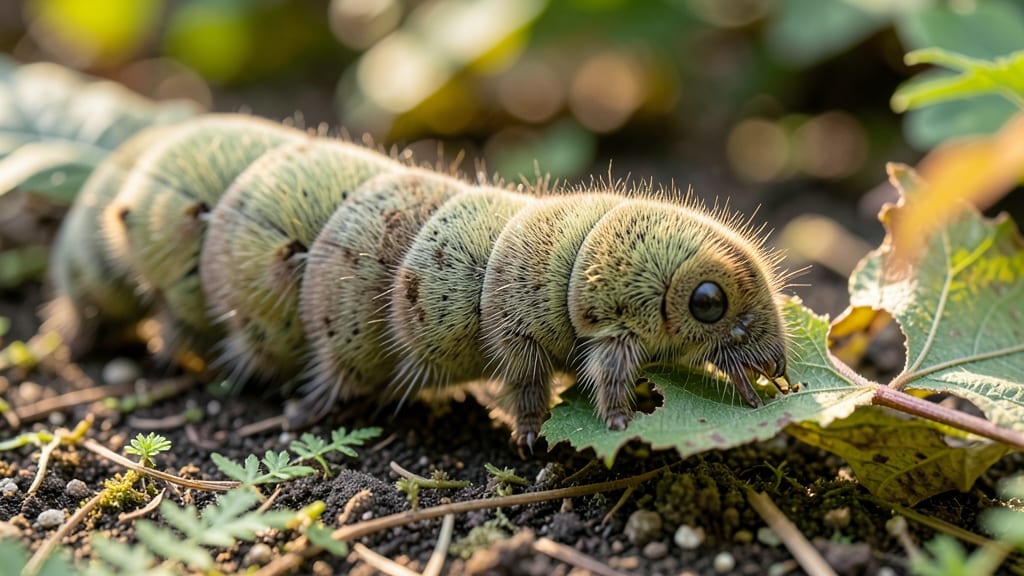
Bugs eating your tree leaves can turn a thriving canopy into a skeleton in weeks. 🌿 I’ve watched my shade maple go from lush green to half-bare when aphids and caterpillars hit hard—until I learned these natural deterrents that actually stop them without harming the tree (or your conscience).
The worst offenders are usually caterpillars, beetles, or aphids, but not all leaf-munchers are bad. Japanese beetles skeletonize leaves, while tent caterpillars spin silky webs—both giveaway signs.
The key is acting fast with neem oil sprays, beneficial nematodes, or even a strong hose blast to dislodge pests before they strip the tree bare.
You’ll see results within a week if you catch it early: fewer chewed edges, more new growth, and a tree that looks like it’s fighting back. The best part? These methods keep your yard pest-free without chemicals, so you’re not just saving leaves—you’re saving the ecosystem.
Works for oak, maple, birch, or fruit trees—just adjust timing based on your local pests. Here’s how to tell friend from foe and stop the damage before it starts.
The hidden reasons behind leaf loss
When you notice your tree’s leaves looking more like Swiss cheese than a lush canopy, it’s usually a sign that unseen critters are feasting beneath. But why do these insects target your trees in the first place?
The answer lies in a mix of biology, environment, and even your tree’s own vulnerabilities. Let’s break down the core reasons behind this leafy buffet—and why your trees are suddenly on the menu.
Bugs don’t just nibble on leaves out of boredom—they’re drawn to the chemical cocktail your tree produces. Leaves are packed with sugars, proteins, and even secondary metabolites (like tannins or alkaloids) that some insects crave while others avoid. Here’s the science:
- High-Nitrogen Leaves: Fast-growing trees or those fertilized heavily with nitrogen-rich soil produce tender, protein-rich leaves that attract caterpillars, beetles, and aphids. Think of it like a salad bar for bugs.
- Stressed or Weak Trees: When trees are drought-stressed, diseased, or recovering from damage, their leaves become easier targets. Pests detect these chemical distress signals and home in like a GPS.
- Young, Tender Growth: New leaves are like gourmet cuisine for insects—they’re softer, more nutritious, and less defended with tough fibers. This is why you might see Japanese beetles or tent caterpillars zeroing in on fresh spring foliage.
Actionable Tip: 🌡️ Monitor your tree’s health—wilting, yellowing, or sparse leaves can be a red flag that pests are coming. Prune damaged branches in late winter to remove hiding spots and reduce stress.
Not all trees are equally appealing to pests—it often comes down to where your tree lives. Certain landscapes act like a bug buffet, while others deter invaders. Key factors include:
| Factor | Why It Attracts Pests | How to Fix It |
|---|---|---|
| 🌿 Dense, Shady Areas | Moist, humid spots create perfect breeding grounds for slugs, snails, and soft-bodied insects like aphids. | Improve airflow with pruning and mulch away from the trunk (not touching it). |
| 🌳 Isolated Trees | Pests like gypsy moths or elm leaf beetles spread more easily when trees are far from competitors. | Plant companion species (like neem trees) to disrupt their life cycle. |
| 💧 Overwatered Soil | Soggy roots weaken trees, making them more susceptible to borers and root-feeding insects. | Water deeply but infrequently—aim for 1–1.5 inches per week (check soil moisture!). |
Pro Tip: ✨ Mulch correctly—a 2–3 inch layer of organic mulch (like wood chips) helps regulate moisture and temperature, but never pile it against the trunk (this traps moisture and attracts termites).
Some insects are seasonal raiders, striking only when conditions are perfect. Others, like spotted lanternflies or emerald ash borers, have life cycles that align with your tree’s weakest moments. Here’s how timing plays a role:
- Spring Emergence: Many pests (e.g., tent caterpillars) hatch when trees are flush with new growth. They’re not just hungry—they’re desperate.
- Summer Heatwaves: Drought-stressed trees release volatile organic compounds (VOCs) that attract wood-boring beetles and sawflies.
- Fall Migration: Some insects, like fall webworms, create silk nests to overwinter, using your tree as a protective hotel.
Key Insight: 🎯 Know your local pests’ life cycles. For example, if Japanese beetles are rampant in your area, they’ll peak in late June to August. Time your deterrents (like neem oil sprays) for these windows.
Understanding why bugs target your tree is half the battle. Once you recognize the triggers—whether it’s a nutrient-rich feast, a cozy yard setup, or a perfect hatching window—you can outsmart them with targeted solutions.
Stay tuned for the next section, where we’ll dive into natural deterrents that actually work to keep your tree’s leaves intact.
Quick Fixes for Leaf Munchers
When bugs start turning your tree’s lush leaves into a buffet, it’s time to act—but not with harsh chemicals! Here’s a practical, step-by-step guide to tackle the problem based on the culprit, using natural, effective methods that protect both your tree and the environment.
---
Japanese beetles are aggressive leaf strippers, but you can outsmart them with these targeted tactics:
#### 🔥 Set Up a Trap (Early Season) - How it works: Use a commercial Japanese beetle trap (or DIY with a bucket of soapy water + a few beer bottles). - When to do it: Place traps before beetles appear (late May–June in most regions). - Pro tip: 💡 Place traps at least 20 feet from your tree—otherwise, they’ll swarm your tree instead of the trap!
#### 🍳 Spray with Neem Oil or Kaolin Clay - Mix: 2 tbsp neem oil + 1 tsp dish soap + 1 quart water (or use pre-made kaolin clay spray). - Apply: Spray undersides of leaves (where beetles hide) in the early morning or evening (avoid direct sun). - Reapply: Every 5–7 days or after rain.
#### 👨🍳 Handpick & Destroy (Best for Small Infestations) - When: Late afternoon when beetles are sluggish. - How: Drop them into soapy water or a sealed bag (they’ll drown or suffocate). - Bonus: 🌡️ Check for grubs in the soil—treat lawns with milky spore bacteria to break their life cycle.
---
These fuzzy bands of caterpillars defoliate trees fast, but physical removal works best:
#### 🔪 Cut Out the Nest (Safely!) - When: Early morning (they’re slow then). - How: 1. Locate the nest (a silky web near branches). 2. Wear gloves—some caterpillars have irritating hairs.
3. Snip the nest with pruners and dispose of it in soapy water (not your compost!). - Prevent recurrence: 🎯 Prune nearby branches to reduce future nesting spots.
#### 🥘 Use Bacillus Thuringiensis (Bt) - What it is: A natural bacteria that kills caterpillars but harms nothing else. - Apply: Spray Bt kurstaki on leaves when caterpillars are small (before they pupate). - Reapply: After rain or every 7–10 days.
#### ⏰ Timing is Key: Watch for Eggs - When: Late fall/winter, check tree bark crevices for tiny egg masses. - Fix: Scrape them off with a knife and drown them in soapy water.
---
Gypsy moth caterpillars can strip a tree bare in weeks—stop them before they hatch:
#### 🌡️ Apply Bt or Spinosad (Organic Insecticides) - Best for: Young caterpillars (they won’t eat after treatment). - How: Spray Bt (for small larvae) or spinosad (for slightly larger ones). - Safety: 💡 Avoid spraying when bees are active (spinosad can harm them).
#### 🛡️ Wrap Trunks with Tree Bands - When: Before eggs hatch (fall/winter). - How: 1. Apply sticky tree bands (like Tanglefoot) around the trunk. 2. Caterpillars get stuck trying to climb. - Alternative: 🔥 Use cardboard bands coated with mineral oil—cheap and effective!
#### 🌳 Encourage Natural Predators - Who helps: Birds, parasitic wasps, and bats eat gypsy moth eggs/larvae. - How: - Install bat houses or bird feeders. - Plant native flowers to attract beneficial insects.
---
No matter the bug, these long-term strategies keep trees healthy and less appealing:
- 💪 Strengthen Trees: - Water deeply during droughts (stressed trees attract pests). - Fertilize with compost or slow-release organic fertilizer in early spring. - 🌿 Prune Properly: - Remove dead/diseased branches (pests love weak spots). - Thin crowded branches to improve airflow (less hiding space for bugs). - 🍎 Monitor Regularly: - Check undersides of leaves weekly for eggs or early signs of damage. - Shake branches over a white sheet—falling bugs = infestation alert! - 🌱 Plant Smart: - Choose resistant tree varieties (e.g., oak varieties less prone to gypsy moths). - Avoid planting preferred hosts (like willows for tent caterpillars) near high-risk areas.
--- Remember: Patience and consistency are key! Most pests can be managed without chemicals if you act early and stay vigilant. 🌳💚
Frequently asked questions
Are all bugs that eat tree leaves harmful?
Not at all! Many insects are actually beneficial. For example, ladybugs and lacewings eat aphids, while praying mantises consume caterpillars. Focus on removing only the destructive ones like Japanese beetles, gypsy moth caterpillars, or tent caterpillars that leave visible damage like skeletonized leaves or silk webs.
How do I tell if my tree is stressed enough to attract pests?
Look for these red flags: yellowing leaves, sparse foliage, or branches with dead wood. A stressed tree often has dry soil, cracked bark, or leaf edges turning brown. Improve care by watering deeply 1-2 times per week (check soil moisture first) and fertilizing with compost in early spring to strengthen its defenses.
Can I use neem oil on fruit trees?
Yes, but with caution! Neem oil is safe for fruit trees when used properly. Apply it before fruit sets (early spring) and avoid spraying when bees are active. For organic certification, use a food-grade neem oil and follow label instructions carefully. Harvest fruit only after the recommended waiting period (usually 7-14 days).
What’s the fastest way to stop a severe infestation?
For immediate results, combine these methods: 1) Handpick large pests (like caterpillars) and drop them in soapy water. 2) Spray with Bacillus thuringiensis (Bt) for caterpillars or kaolin clay for beetles. 3) Use a strong hose blast to dislodge bugs from leaves. Repeat treatments every 5-7 days until the infestation subsides.
Will pruning help prevent future leaf damage?
Prune in late winter or early spring to remove dead branches and thin crowded areas. This improves airflow, reduces hiding spots for pests, and lets sunlight reach lower leaves. Focus on branches that cross or rub against each other—these are prime nesting sites for caterpillars and beetles.