
Pruning
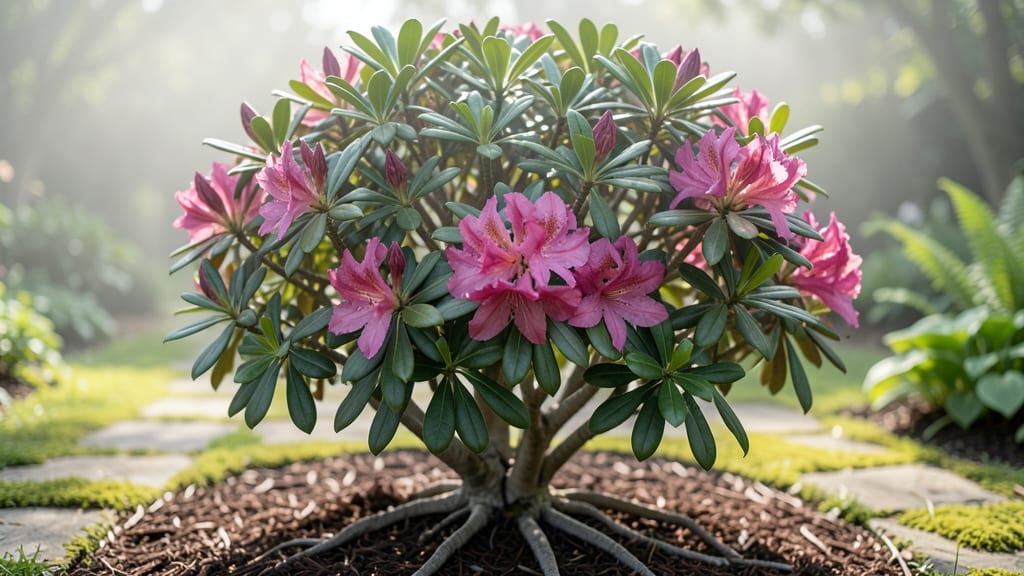
Your azalea tree outside deserves year-round care that keeps it blooming like the showstopper it is. ✨ I’ve learned the hard way that pruning isn’t just about cutting back—it’s about shaping for health, encouraging flowers, and preventing that sad, leggy look by summer.
The right cuts in spring and summer will give you vibrant blooms for months, not just a fleeting spring display.
Start with clean, sharp pruners and work right after the first flush of flowers fades. Azaleas bloom on old wood, so avoid heavy pruning in fall or winter—you’ll risk losing next year’s blooms.
Focus on removing dead branches first, then thinning out crowded growth to improve airflow. A little strategic trimming now means thicker foliage and bigger blooms next season.
Don’t forget the seasonal tweaks: in colder zones, protect young trees with burlap wraps, and mulch heavily to shield roots from freeze-thaw cycles. Overwatering is the silent killer—azaleas hate soggy roots, so water deeply but let the top inch of soil dry between sessions.
With these adjustments, your azalea will stay lush, full, and bursting with color from spring to fall.
Even experienced gardeners mess up pruning timing—so take it slow. The key is patience: azaleas reward careful hands with decades of reliable blooms if you keep them happy year-round. Let’s get those branches looking intentional!
📚 In This Guide
- What you need
- Instructions
- Tips and common mistakes
- Wrapping up and next steps
What you need
- ● Pruning shears: Bypass pruners (for small branches, ¼"–¾" thick)
- ● Loppers: For medium branches (¾"–2" thick), with bypass blades for clean cuts
- ● Pruning saw: For thick branches (over 2" thick), with a fine-tooth blade
- ● Garden gloves: Heavy-duty, cut-resistant (to protect from thorns and sharp edges)
- ● Disinfectant: 70% rubbing alcohol or hydrogen peroxide (to sterilize tools between cuts)
- ● Rag or paper towels: For wiping tools clean
- ○ Marking twine or flags: (Optional) To tag branches for removal or special attention
- ● Safety goggles: To protect eyes from debris
- ● Sturdy ladder or step stool: If your azalea is over 6 feet tall (ensure it’s stable and rated for your weight)
- ● Trash bag or bucket: For collecting pruned branches and debris
- ○ Pruning sealant: (Optional) For sealing large cuts (½" or wider) to prevent disease
- ● Water source: Hose or bucket of water (to clean tools and rinse off sap)
Step-by-step guide for pruning azalea trees outside
Azaleas reward careful pruning with vibrant blooms and lush growth—here’s how to shape yours year-round.
✂️ Step 1: Prune Immediately After Flowering
Azaleas bloom on last year’s wood, so wait until 2-4 weeks after flowers fade to prune. This timing ensures you don’t remove next year’s buds. Start by removing any dead, diseased, or crossing branches—these compete for energy and disrupt airflow. Use clean, sharp pruners to make cuts at a 45-degree angle, just above a leaf node or outward-facing bud.
Focus on thinning out crowded branches to improve light penetration. I like to step back every few cuts to check the shape—azaleas naturally grow in a rounded form, so aim to maintain that silhouette. Avoid cutting back more than one-third of the plant’s height in a single season; drastic pruning stresses azaleas and can reduce flowering.
☀️ Step 2: Lighten the Canopy in Late Summer
In late August or early September, give your azalea a second pruning to encourage next year’s blooms. Remove any weak, leggy growth that’s stretching toward the sun—these branches rarely produce flowers. Cut just above a set of healthy leaves or a strong bud, and always prune at the branch collar to prevent damage to the main stem.
This is also the time to shape the plant’s outline. Azaleas respond well to gentle pruning, so take your time and make small adjustments. If your tree is overgrown, focus on opening up the center to allow sunlight and air to reach inner branches. You’ll see new growth emerge within 2-3 weeks—that’s your sign the pruning is working.
⏰ Step 3: Minimal Winter Maintenance
Winter is for observation, not pruning. However, if you notice any dead or broken branches from storms or heavy snow, remove them immediately to prevent disease. Avoid heavy pruning in winter, as azaleas are semi-dormant and heal slower in cold weather. If you must prune, do so on a mild day when temperatures are above 40°F.
This is also the time to check for signs of stress, like yellowing leaves or sparse blooms. If your azalea isn’t thriving, it might need more acidic soil or better drainage. A light application of azalea-specific fertilizer in early spring can help, but prune lightly that season to avoid shocking the plant.
🌿 Step 4: Spring Cleanup and Bloom Encouragement
In early spring, before new growth begins, do a final check for any remaining dead wood or weak branches. Prune lightly to shape the plant and encourage airflow. Avoid cutting back into old wood—stick to new growth from the current year. This keeps the plant healthy and sets it up for a strong flowering season.
After pruning, give your azalea a deep watering to help it recover. Mulch around the base with 2-3 inches of organic mulch to retain moisture and protect roots. Watch for new buds forming—these will become next year’s flowers. With consistent care, your azalea will reward you with vibrant blooms for years to come.
Tips & tricks for perfect azalea tree pruning
Here's what nobody tells you about keeping your azaleas thriving after the initial steps—these are the details that make all the difference.
Timing is Everything: The 2-4 week window after flowers fade is your golden opportunity. I learned this the hard way after accidentally pruning too early and losing next year's blooms. Mark your calendar right when your azaleas finish flowering—this ensures you're working with last year's wood while preserving next year's buds. If you're unsure when your specific variety blooms, observe your neighbors' azaleas or check with your local nursery for your region's typical bloom times.
The 45-Degree Cut Secret: That angled cut isn't just for looks—it's crucial for proper healing. When you make your 45-degree cut just above a leaf node, you're creating the perfect surface for new growth to emerge. I always take an extra second to angle my pruners correctly, and I've noticed my azaleas recover much faster from cuts made this way. This technique also prevents water from pooling on the cut, which can lead to rot.
One-Third Rule: Never cut back more than one-third of your azalea's height in a single season. This might seem like a lot, but I've seen many gardeners accidentally remove too much growth, which stresses the plant and can lead to fewer blooms. Think of it like giving your azalea a haircut—you wouldn't shave off a third of your own hair in one sitting! If your azalea looks overgrown, spread the pruning over two seasons instead of trying to fix everything at once.
Winter Pruning Exception: While winter is generally for observation, there's one critical exception: removing dead or broken branches immediately after storms. I've seen too many gardeners wait until spring, only to discover their azalea has developed fungal issues from the damaged wood sitting for months. When temperatures rise above 40°F on mild winter days, take 10 minutes to check your azaleas and remove any obvious damage. This small effort can prevent major problems down the road.
Pro Tips for Azalea Tree Outside
- Here's what nobody tells you about keeping your azaleas thriving after the initial steps—these are the details that make all the difference.
- Timing is Everything: The 2-4 week window after flowers fade is your golden opportunity.
- The 45-Degree Cut Secret: That angled cut isn't just for looks—it's crucial for proper healing.
Frequently asked questions
Got questions about keeping your azalea tree outside looking its best? You’re not alone! Here are answers to the most common queries—from pruning timing to troubleshooting—so you can enjoy vibrant blooms and lush foliage year-round.
When is the best time to prune my azalea tree outside?
The ideal time to prune azaleas is right after they finish blooming in spring or early summer. Avoid pruning in late summer or fall, as this can remove next year’s flower buds. For light shaping, you can also prune lightly in late winter (before buds swell), but avoid heavy cuts. Pro tip: Always prune on a dry, overcast day to reduce stress on the plant!
Can I prune my azalea tree outside in winter?
Pruning azaleas in winter is risky because it can damage dormant buds or expose the tree to cold snaps. If you must prune in winter, do so only for dead or diseased branches—avoid heavy cuts. Wait until spring (after blooms fade) for full pruning. Exception: Light shaping in late winter (just before buds break) is safer than full pruning.
How much can I trim my azalea tree outside without harming it?
Azaleas tolerate moderate pruning but dislike aggressive cuts. For most varieties, never remove more than 1/3 of the foliage at once. Focus on dead, crossing, or overgrown branches first. Thin out dense areas to improve airflow and sunlight penetration. Warning: Over-pruning can reduce next year’s blooms, so prune with patience!
What should I do if my azalea tree outside isn’t blooming?
Non-blooming azaleas often need better light, proper pruning, or balanced care. Check these fixes:
- Light: Ensure it gets morning sun and afternoon shade (most azaleas thrive in partial shade).
- Pruning: Avoid late-summer/fall cuts—prune only after blooms fade.
- Fertilizer: Use an acid-loving plant fertilizer (like azalea/camellia mix) in early spring.
- Age: Young trees may take 2–3 years to bloom.
If issues persist, check for pests or disease (like lace bugs or fungal spots).
Are there low-maintenance azalea alternatives for outside planting?
If azaleas seem high-maintenance, consider these easy-care evergreens for similar color and texture:
- Camellias: Bloom in winter/early spring; tolerate shade better.
- Rhododendrons: Hardy and drought-tolerant once established.
- Pieris (Andromeda): White spring blooms with glossy foliage.
- Boxwood: Dense, low-growing, and great for hedges.
Pro tip: All these plants prefer acidic soil—test your soil pH before planting!
Wrapping up and next steps
Pruning your azalea tree outside isn’t just about keeping it looking tidy—it’s about unlocking its full potential for vibrant blooms and healthy growth year-round! 🌸 By mastering the right techniques, timing, and tools, you’ll create a stunning focal point in your garden that thrives season after season.
Now that you’re armed with expert tips and answers to common questions, it’s time to roll up your sleeves and give your azalea the care it deserves.
Ready to transform your outdoor space? Start by scheduling your next pruning session—whether it’s now for summer shaping or planning ahead for spring blooms. With patience and practice, your azalea will reward you with breathtaking color and lush foliage for years to come! 🌿