
Pruning
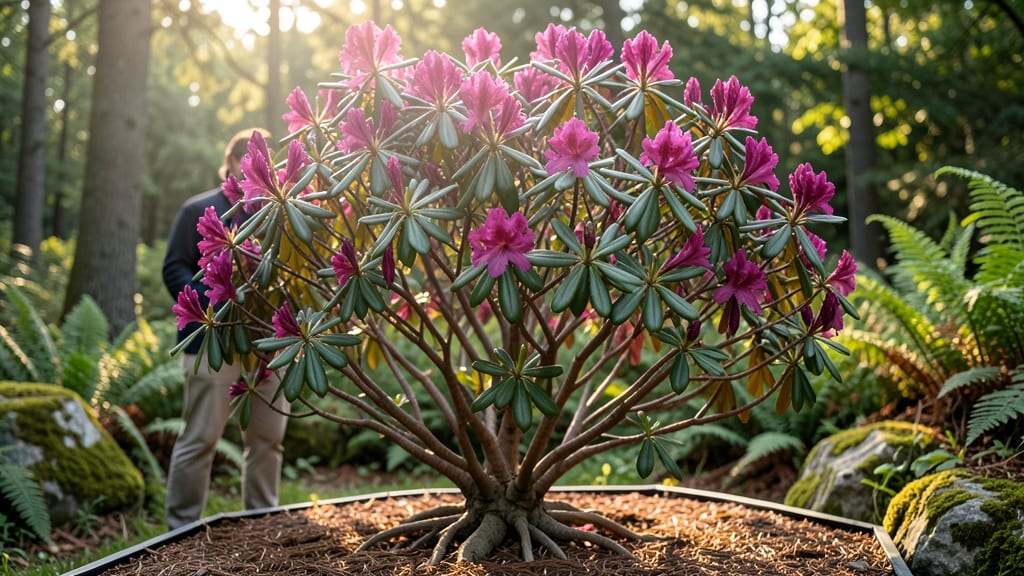
Your azalea tree height starts with the right pruning plan—because these beauties grow 6-12 feet without guidance, but with smart cuts, you can keep them at 3-5 feet for perfect curb appeal. 🌿 I’ve pruned azaleas for years, and the difference between a wild shrub and a showstopping border comes down to timing, technique, and knowing which branches to trim (or leave alone).
Most gardeners overlook the late spring pruning window—the ideal time to shape azaleas without sacrificing next year’s blooms. Evergreen varieties like ‘George L. Taber’ stay compact naturally, while deciduous types like ‘Hershey’ need aggressive pruning to control height.
The key is cutting just above a bud or leaf node, never hacking into old wood. You’ll end up with a neat, blooming hedge that fits your space perfectly—whether you want a 4-foot privacy screen or a 6-foot focal point.
Proper pruning also boosts airflow, reducing pests and diseases that plague overgrown azaleas. And yes, it’s possible to revive an overgrown azalea with the right approach. Works for both new plantings and established shrubs, and the same principles apply to azalea bushes too.
Let’s get those shears sharp and start shaping!
📚 In This Guide
- What you need
- Instructions
- Tips and common mistakes
- Wrapping up and next steps
What you need
- ● Pruning shears: Bypass pruners (for clean cuts on small branches) – 1 pair (look for sharp, stainless steel blades for hygiene and longevity).
- ● Loppers: For thicker branches (½" to 1.5" diameter) – 1 pair (choose ratcheting or bypass loppers for ease).
- ○ Hand pruners: For delicate trimming (optional but helpful) – 1 pair (select ergonomic, bypass-style for control).
- ● Gloves: Heavy-duty gardening gloves (to protect from thorns and sap) – 1 pair (preferably waterproof and breathable).
- ● Disinfectant: Rubbing alcohol (70% isopropyl) or a pruning sealant (to prevent disease spread).
- ● Pruning saw: Only if dealing with very thick branches (1.5"+) – 1 saw (opt for a curved-tooth design to avoid tearing).
- ● Pruning paint/sealant: For sealing large cuts (reduces sap leakage and disease risk).
- ● Ladder or step stool: If your azalea is taller than 6 feet (ensure it’s stable and non-slip).
- ● Twine or plant ties: To support branches after heavy pruning (prevents breakage).
- ● Notebook & pen: For jotting down pruning notes (track growth patterns over time!).
- ● Safety glasses: Protect your eyes from debris (especially when using a pruning saw).
- ● Timing: Prune azaleas right after flowering (late spring to early summer) for best results.
- ● Weather: Choose a dry, overcast day to avoid stressing the plant.
- ● Research: Know your azalea’s mature height range (dwarf varieties stay under 3 ft; standard types reach 6–12 ft).
- ● Safety first: Wear closed-toe shoes and avoid pruning near power lines.
How to control azalea tree height through strategic pruning
Here’s the method I’ve used to keep azaleas lush but compact—no more towering shrubs blocking your view.
✂️ Step 1: Understand the Right Time to Prune
Azaleas bloom on last year’s growth, so prune immediately after flowering—never in late summer or fall. I wait until all blooms have faded completely, then mark the branches that need trimming. This ensures you don’t cut off next year’s flower buds hidden in the leaf axils.
If you prune at the wrong time, you risk sacrificing next season’s blooms entirely. Watch for the last petals to drop before touching your shears. For spring-blooming varieties, this usually falls in late May or early June, depending on your climate zone.
🌿 Step 2: Use the Right Tools and Technique
Sharp, clean pruning shears are non-negotiable—dull blades tear branches, creating jagged wounds that invite disease. I disinfect my tools with rubbing alcohol between cuts to prevent spreading any pathogens. For thicker stems, use loppers, but avoid pruning more than one-third of the plant’s total growth in a single season.
Make cuts just above a leaf node or outward-facing bud at a 45-degree angle. This encourages new growth to sprout in the right direction. Avoid cutting into old wood—the darker, woody stems won’t regrow. You’ll know you’re pruning correctly when you see fresh green growth emerging within 4-6 weeks.
⏰ Step 3: Shape for Compact Growth
To maintain a 3-6 foot height (ideal for most landscapes), focus on thinning out overcrowded branches from the center first. This improves airflow and sunlight penetration, which azaleas crave. I start at the bottom and work upward, removing any branches that cross or rub against others.
For a more formal look, trim the outer branches to encourage bushier growth. Step back frequently to check your progress—your goal is to create a balanced silhouette. Avoid shearing (cutting back evenly all over), as this leads to a dense, leggy appearance. Instead, remove entire branches back to their origin point for cleaner results.
💧 Step 4: Post-Pruning Care for Recovery
After pruning, water deeply to help the plant recover. Azaleas prefer acidic, moist soil, so add a 2-3 inch layer of mulch (like pine bark) around the base to retain moisture and regulate soil temperature. Avoid piling mulch against the trunk—keep it 3-4 inches away to prevent rot.
Fertilize lightly with an acid-loving plant fertilizer (like one formulated for rhododendrons) in early spring to support new growth. You’ll see fresh, vibrant foliage within 6-8 weeks, signaling successful pruning. If leaves yellow or drop, you’ve likely over-fertilized—azaleas are sensitive to salt buildup.
☀️ Step 5: Maintain Height Long-Term
Prune lightly each year to shape and remove dead or weak growth. For dramatic height reduction, you can prune back by up to one-third in a single season, but spread it out over 2-3 years to avoid shocking the plant. Monitor growth patterns—if branches start growing too tall too quickly, you’re likely not pruning aggressively enough.
Azaleas respond well to regular pruning if done correctly. With patience, your tree will stay within your desired height range while still producing stunning blooms. The key is consistency—prune at the right time, use the right technique, and give your plant the care it needs to thrive.
Tips & tricks for pruning azaleas to maintain compact growth
These pruning secrets will help you keep your azaleas lush and manageable without sacrificing those stunning blooms.
Timing is Everything: The key to maintaining compact azaleas lies in the timing—prune immediately after flowering, once all petals have completely fallen. I can't stress this enough: pruning at the wrong time risks cutting off next year's flower buds, which form in the leaf axils during late summer. For spring-blooming varieties, mark your calendar for late May or early June, but always confirm when the last petals drop in your specific climate zone. This precise timing ensures you're working with last year's growth while preserving next season's potential.
Tool Precision Matters: Using the right tools isn't just about convenience—it's about plant health. I've learned this the hard way after seeing azalea branches develop unsightly wounds from dull shears. Always use sharp, clean pruning shears for thinner branches and loppers for thicker stems. The 45-degree angle cut just above a leaf node isn't just a technique—it's a growth directive. This precise cut position encourages new shoots to grow outward, creating that full, bushy appearance we love. Remember, you're not just trimming branches; you're shaping the plant's future growth pattern.
Visual Cues for Perfect Pruning: When you're shaping your azalea for compact growth, step back frequently to check your progress. The goal is a balanced silhouette where you can see light and air moving through the center. Look for branches that cross or rub against others—these are your targets for removal. For that formal look, focus on trimming outer branches to encourage bushier growth from the center. The key visual cue is that you should be able to see through the center of the plant to about 30% of its width. This open center prevents disease by improving airflow while maintaining that lush, compact appearance.
Recovery Care Makes All the Difference: After pruning, your azalea needs proper recovery care to thrive. The 2-3 inch layer of mulch around the base isn't just decorative—it's essential for maintaining moisture and regulating soil temperature. I've found that pine bark mulch works particularly well for azaleas, as it naturally acidifies the soil over time. When fertilizing, go light—azaleas are sensitive to salt buildup, which can cause that dreaded yellowing of leaves. The 6-8 week window for new growth is your confirmation that everything is on track. If you see vibrant new foliage emerging, you've done it right.
Pro Tips for Azalea Tree Height
- These pruning secrets will help you keep your azaleas lush and manageable without sacrificing those stunning blooms.
- Timing is Everything: The key to maintaining compact azaleas lies in the timing—prune immediately after flowering, once all petals have completely fallen.
- Tool Precision Matters: Using the right tools isn't just about convenience—it's about plant health.
Frequently asked questions
Got questions about keeping your azalea tree at the perfect height?
Here are some of the most common ones—and their answers—to help you prune like a pro!
How tall do azalea trees typically grow?
Most azalea varieties range from 3 to 6 feet tall when mature, but some dwarf types stay under 2 feet. Evergreen azaleas (like Rhododendron hybrids) tend to be taller, while deciduous types often max out at 4–5 feet. Check your plant’s tag or species name for specifics!
When is the best time to prune azaleas for height control?
Prune right after flowering (late spring to early summer) to avoid cutting off next year’s blooms. Avoid heavy pruning in fall or winter—it can stress the plant. Light shaping is fine in late summer, but wait until new growth appears to see where to trim.
Can I keep an azalea tree super short, like a shrub?
Yes! With regular pruning (2–3 times a year), you can maintain a compact shape—even as low as 1–2 feet. Use sharp shears to trim just above a leaf bud (not bare wood) to encourage bushier growth. Just avoid over-pruning, or you might sacrifice flowers.
Why is my azalea growing unevenly or too tall?
Uneven growth often happens from poor sunlight, overcrowding, or neglecting pruning. Move the plant to partial shade (4–6 hours of sun daily) and prune back leggy branches to the base. If roots are bound, consider repotting or dividing the plant every 3–5 years.
Are there azalea alternatives for smaller spaces?
If azaleas feel too large, try dwarf rhododendrons (like ‘PJM’ or ‘Nova’) or camsellia (a compact evergreen with similar flowers). Both thrive in containers and stay under 3 feet tall. Just match their sunlight and soil needs—most prefer acidic, well-draining soil!
Wrapping up and next steps
Choosing the right azalea variety and mastering pruning techniques can transform your garden into a stunning, manageable display of color. Whether you prefer a compact 2-foot shrub or a towering 10-foot specimen, the key lies in understanding growth habits and timing.
With patience and the right tools, you’ll enjoy vibrant blooms year after year!
Ready to take the next step? Start small—pick one azalea to prune this season, and experiment with the techniques you’ve learned. Before you know it, your garden will be the envy of the neighborhood! 🌸