
Blooming
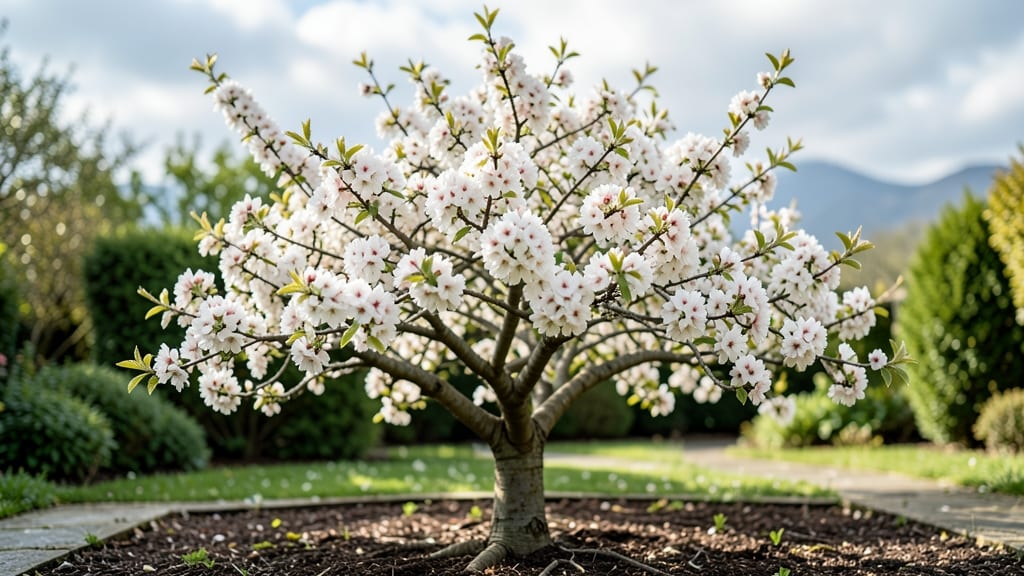
Your Asian pear tree bloom isn't just a spring event—it's a fragrant, white-blanketed spectacle that transforms your yard into a tranquil paradise. 🌸 I've watched mine burst into bloom for three weeks straight, filling the air with a delicate perfume that rivals any garden favorite.
The timing varies wildly: early bloomers like 'Shinseiki' wake up in late March, while latecomers like 'Hosui' wait until May. The secret to prolonging those blossoms? Prune after they fade—never before—and keep the soil moist but not soggy.
I learned this the hard way when my first tree's blooms dropped early from thirst. Now, I water deeply once a week and mulch heavily to lock in moisture.
Early bloomers need winter protection too; a thick layer of straw or burlap saves them from late frosts that can nip buds in the bud. By summer, you'll be rewarded with crisp, honey-sweet pears that outshine store-bought varieties.
The trees handle partial shade better than most fruit trees, making them perfect for smaller yards or urban spaces. Just remember: patience is key—it takes 3-5 years for young trees to reach full bloom potential.
Regional differences matter: Southern gardeners can expect earlier blooms, while Northern growers should wait until after last frost. Variety choice determines everything from bloom time to fruit ripening. Need to extend your harvest season? Try planting both early and late bloomers—your table (and your neighbors) will thank you.
📚 In This Guide
- What you need
- Instructions
- Tips and common mistakes
- Wrapping up and next steps
What you need
- ● Asian pear tree (Pyrus pyrifolia) – Choose a dwarf variety (6–10 ft) for small spaces or a standard variety (15–25 ft) for full bloom impact. Ensure it’s disease-resistant (e.g., 'Korean Pearl' or 'Hosui').
- ● Well-draining soil – Mix 2 parts topsoil, 1 part compost, and 1 part perlite/sand for optimal drainage.
- ● Shovel & garden fork – For digging holes (1.5x wider than the root ball) and loosening soil.
- ● Organic mulch (wood chips or straw) – 2–3 inches to retain moisture and suppress weeds.
- ● Balanced fertilizer (10-10-10 or 20-20-20) – 1–2 tbsp per sq ft in early spring before blooming.
- ● Watering can or hose with nozzle – For deep watering (1–2 gallons per tree, 2–3x/week) during dry spells.
- ● Pruning shears & loppers – For shaping the tree and removing dead branches (sterilize with rubbing alcohol to prevent disease).
- ○ Tree support stake (optional but helpful) – If planting in windy areas, use a 5–6 ft stake with soft ties.
- ● Soil pH test kit – Asian pears thrive in slightly acidic to neutral soil (pH 6.0–7.0).
- ● Slow-release fertilizer pellets – Reduces maintenance (apply once in early spring).
- ● Drip irrigation system – Automates watering for consistent moisture.
- ● Fungicide (copper-based or neem oil) – Prevents fire blight or powdery mildew (spray every 2–3 weeks in wet climates).
- ● Bird netting – Protects blossoms from pests if needed (e.g., 10x10 ft net for small trees).
Step-by-step guide to encouraging a stunning Asian pear tree bloom
Here's how to coax those fragrant white blossoms into full, show-stopping glory every spring.
🌱 Step 1: Prune for Airflow and Light in Late Winter
Start your prep work in late winter (around February) when the tree is still dormant. Use clean, sharp pruning shears to remove any dead, crossing, or diseased branches first. These create open wounds that invite pests and diseases during bloom season.
Next, thin out the canopy by removing about 20-30% of the smallest branches—focus on those growing inward or rubbing against others. This opens the tree up so sunlight and air can reach all the way to the center. You'll see new growth emerge more evenly when spring arrives, and those blossoms will have room to shine.
Here's the thing—don't over-prune. Asian pear trees bloom on both old and new wood, so you want to maintain a good balance. If you cut back too aggressively, you might sacrifice next year's flowers for this year's fruit. Aim for a rounded, open shape rather than a dense, bushy look.
☀️ Step 2: Provide Full Sun and Consistent Watering
Asian pear trees need 6-8 hours of direct sunlight daily for optimal blooming. If your tree is in a spot with afternoon shade, consider thinning nearby trees or structures to improve light exposure. You'll notice the difference when spring arrives—the more sunlight the buds receive, the brighter and more abundant the blooms.
Water deeply once a week during dry spells, ensuring the soil stays moist but not soggy down to 12 inches deep. Use a soaker hose or drip irrigation to avoid wetting the leaves, which can lead to fungal issues. The key is consistency—pears hate dry spells or waterlogged roots, both of which stress the tree and reduce flowering.
I always check the soil with my fingers—if it feels dry 2 inches down, it's time to water. Overwatering is just as harmful as underwatering, so let the top layer dry out slightly between waterings. Mulch around the base with 2-3 inches of organic mulch (like wood chips) to retain moisture and regulate soil temperature.
💧 Step 3: Fertilize for Bloom and Fruit Development
In early spring, just as the buds begin to swell (around March), apply a balanced, slow-release fertilizer (like a 10-10-10 or 20-20-20) around the drip line of the tree. Spread it evenly and water it in well to prevent root burn. This gives the tree the nutrients it needs to produce vibrant, healthy blossoms.
For the best results, split the fertilizer into two applications: half in early spring and the other half in late spring (around May). Avoid high-nitrogen fertilizers—they encourage leafy growth at the expense of flowers. Instead, look for a formula with a higher phosphorus content (the first number) to support blooming and root development.
Here's what I do: I scratch the fertilizer into the top 2 inches of soil and water it in thoroughly. This ensures the roots can access the nutrients without burning. You'll see the difference in 2-3 weeks when the buds burst into color and fragrance.
✂️ Step 4: Thin Fruit to Enhance Bloom Next Year
After the blooms fade and small fruits begin to form, thin the fruit to 6-8 inches apart on the branches. This might seem counterintuitive—after all, you want fruit, right? But overloading the tree with fruit drains its energy, reducing next year's bloom potential. You'll end up with fewer, but larger, higher-quality pears and a stronger tree overall.
Use sterilized pruning shears to remove excess fruit, cutting just above a leaf bud. Do this when the fruits are about the size of a marble—they're easier to see and remove at this stage. You'll notice the remaining fruits grow faster and larger, and the tree will have more energy to store for next spring's blossoms.
Don't skip this step. I've seen trees so burdened with fruit that they barely bloom the following year. A well-thinned tree is a happier, healthier tree that rewards you with spectacular blooms year after year.
🌿 Step 5: Monitor for Pests and Diseases
Keep an eye out for common pests like aphids, scale, or pear psylla, which can weaken the tree and reduce blooming. Inspect the undersides of leaves and the branches regularly for signs of infestation, such as sticky residue (honeydew) or small, crawling insects. If you spot any, treat them immediately with neem oil or insecticidal soap—both are effective and tree-safe when used as directed.
Fungal diseases like fire blight or powdery mildew can also hinder blooming. Fire blight shows up as blackened, wilted branches, while powdery mildew appears as a white, powdery coating on leaves. If you notice either, prune out affected branches immediately and apply a copper fungicide to prevent spread. Prevention is key—clean up fallen leaves and debris around the tree in fall to reduce disease risk.
Real talk: A healthy tree is a blooming tree. By staying vigilant, you'll ensure your Asian pear puts its energy into show-stopping flowers instead of fighting off pests or diseases. A little effort now means years of fragrant, white blossoms to enjoy.
Tips & tricks for perfect Asian pear tree bloom
Here's what I've learned after years of watching these trees transform from bare branches to blossoming beauty.
Timing is Everything: That late winter pruning in February is your first chance to set the stage for spring blooms. The key is to prune when the tree is still dormant—this prevents stressing the tree too early. I've seen trees that were pruned too late in winter struggle to produce as many blossoms because they were already waking up. Mark your calendar for mid-to-late February and be ready to work while the weather's still crisp but workable.
Sunlight Strategy: Those 6-8 hours of daily sunlight aren't just about total hours—they're about quality light. If your tree gets morning sun but afternoon shade, consider strategically removing nearby branches that might be casting shadows. I've noticed that trees with consistent morning sunlight produce the most abundant blooms because the cool morning air helps preserve the delicate blossoms. Think of it like positioning a prized painting where it gets the best light in your home.
Fertilizer Application Technique: When you're applying that balanced fertilizer in early spring, don't just sprinkle it randomly. Focus on the drip line—the area where water would naturally fall when it rains. This is where the majority of feeder roots are located. I've found that scratching the fertilizer into the top 2 inches of soil (as mentioned) makes all the difference in how well the tree absorbs it. Think of it like giving your tree a targeted vitamin shot rather than a random scattering.
Fruit Thinning Insight: The 6-8 inch spacing for thinning fruit might seem arbitrary, but there's actually science behind it. This spacing allows each remaining fruit to get optimal sunlight and air circulation, which prevents disease and encourages larger fruit development. I've seen trees where I left fruits too close together develop smaller, misshapen pears—and the following year's blooms were noticeably fewer. It's a small effort now that pays off in spectacular blooms next spring.
Pro Tips for Asian Pear Tree Bloom
- Here's what I've learned after years of watching these trees transform from bare branches to blossoming beauty.
- Timing is Everything: That late winter pruning in February is your first chance to set the stage for spring blooms.
- Sunlight Strategy: Those 6-8 hours of daily sunlight aren't just about total hours—they're about quality light.
Frequently asked questions
Got questions about nurturing your Asian pear tree bloom? You’re not alone! Here are some of the most common queries—plus quick, practical answers to help your tree thrive.
When do Asian pear trees typically bloom?
Asian pear trees (Pyrus pyrifolia) usually bloom in late spring, around April to May, depending on your climate. Cooler regions may see blooms slightly later, while warmer areas might enjoy an earlier show. Timing matters: Late frosts can damage buds, so monitor forecasts and consider frost cloth if needed.
How can I encourage bigger, healthier blooms next year?
Healthy blooms start with proper care:
- Prune in late winter to remove dead wood and improve airflow.
- Fertilize in early spring with a balanced, citrus-free fertilizer (Asian pears are sensitive to citrus!).
- Water deeply but avoid soggy soil—consistency is key.
- Mulch around the base to protect roots and retain moisture.
What should I do if frost damages my tree’s blossoms?
Don’t panic! Light frost damage is often temporary. If buds blacken, they’re likely dead, but the tree may still produce fruit later. Prevent future damage by:
- Covering young trees with frost cloth during late frosts.
- Planting in a sheltered spot (e.g., near a wall or fence).
- Avoiding late pruning, which exposes new growth to cold.
Will my Asian pear tree bloom every year?
Yes! Unlike some fruit trees, Asian pears are reliable annual bloomers if cared for properly. However, young trees (under 3 years old) may have lighter blooms as they establish roots. Patience pays off: Mature trees (5+ years) put on a stunning, fragrant display every spring.
Can I grow an Asian pear tree in a container?
but with limitations. Dwarf varieties (like ‘Korean Red Pear’) work best in large, sturdy pots (15+ gallons) with drainage holes. Key tips:
- Use a well-draining potting mix (avoid compacted soil).
- Move containers to a sunny spot (6+ hours of light daily).
- Water frequently—containers dry out faster!
Do I need to hand-pollinate my Asian pear tree?
Most Asian pear trees are self-pollinating, meaning bees and wind handle the job naturally. However, if you notice fewer fruits after blooms, you might have:
- A lack of pollinators (plant bee-friendly flowers nearby!).
- A single tree—planting a second variety (even a different Asian pear) can boost pollination.
Wrapping up and next steps
The Asian pear tree bloom isn’t just a visual delight—it’s a fragrant, seasonal masterpiece that transforms any garden into a serene haven. 🌸 Whether you’re drawn to their delicate blossoms or the promise of sweet fruit, these trees offer beauty, practicality, and a touch of nature’s magic.
Now’s the perfect time to act: plant a sapling, prune your existing tree, or simply admire their blooms while planning your next gardening adventure!
🌱 Next Steps to Enjoy the Bloom
- Plant now: Spring is ideal for adding an Asian pear tree to your landscape.
- Prune with care: Shape your tree for healthier blooms next season.
- Share the joy: Invite friends to admire your garden’s fragrant spectacle!