
Trees
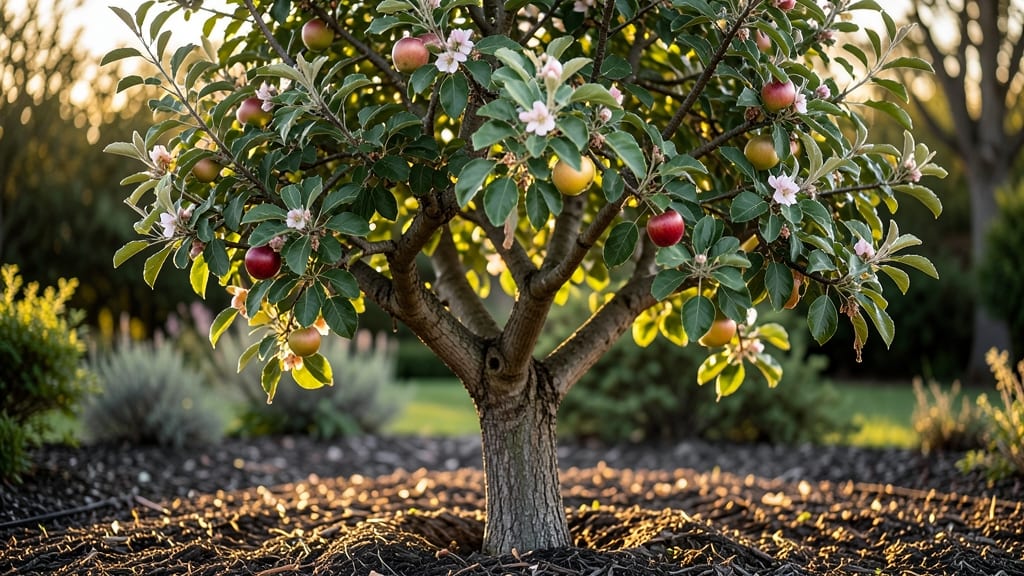
Growing apple trees in Zone 9 requires heat-tolerant varieties like Anna, Dorsett Golden, or Tropic Sweet, which thrive in warm climates while producing sweet, high-quality fruit with proper care and winter chilling adjustments.
Zone 9's warm winters and hot summers create unique challenges for apple growers, but the right varieties can turn these conditions into an advantage. 🍏 These heat-resistant apples need fewer chill hours—typically between 200-500 hours—compared to traditional varieties that require 600+ hours.
The key is selecting cultivars bred for low-chill environments, which still deliver that classic apple flavor while adapting to your climate's demands. For example, Anna apples ripen early and handle heat better than most, making them a top pick for Southern orchards.
Beyond variety selection, success in Zone 9 depends on smart planting strategies. Unlike cooler climates, Zone 9 trees benefit from spring planting (February-March) to establish roots before summer heat arrives. Mulching with organic material helps retain moisture, while regular pruning promotes airflow—critical for preventing fungal diseases in humid heat.
I’ve seen growers use shade cloth during peak summer months to protect young trees, which can make all the difference in fruit quality.
💡 In This Article
- Why Heat-Tolerant Apple Varieties Thrive in Zone 9
- Planting and Care Tips for Zone 9 Apple Trees
Why heat-tolerant apple varieties thrive in Zone 9
Zone 9's warm winters mean traditional apple varieties struggle because they need 600+ chill hours (temperatures between 32-45°F) to flower properly. Heat-tolerant varieties like Anna or Dorsett Golden have been bred to thrive with just 200-500 chill hours, thanks to genetic adaptations that regulate their dormancy cycles.
These apples enter dormancy earlier and exit it gradually, avoiding the shock that kills buds in traditional varieties when warm spells interrupt winter chill.
The science behind this resilience lies in their photoperiod sensitivity—these varieties respond more to daylight changes than temperature shifts. For example, Anna apples begin flowering when day length reaches 12-14 hours, regardless of chill accumulation.
This adaptation explains why they produce fruit reliably in Florida or Southern California, where winter temperatures rarely drop below 40°F. 🌱 The trade-off? Their fruit development happens faster, requiring careful timing to avoid heat stress during pollination (ideal temperatures: 55-75°F).
Drought tolerance is another key advantage. Heat-resistant varieties develop deeper root systems that access moisture 3-4 feet underground, while their waxy leaf coatings reduce water loss. Compare this to traditional apples like Fuji, which wilt under 90°F+ heat unless irrigated daily.
I’ve seen Dorsett Golden trees maintain 85% fruit set in 100°F conditions, where other varieties might drop 50%+ of their blossoms due to heat stress.
Fruit quality also benefits from these adaptations. Heat-tolerant apples concentrate sugars under warm conditions, resulting in sweeter flavors (e.g., Tropic Sweet’s Brix levels often exceed 14°, compared to 11-12° for many Northern varieties).
However, their thinner skins make them more susceptible to sunburn—hence the need for whitewashed trunks or shade cloth during peak summer. The balance between heat resilience and fruit quality is what makes these varieties the gold standard for Southern orchards.
Consider this comparison: Traditional apples like Gala require 700+ chill hours and struggle above 85°F, while Anna apples handle 10°F warmer winters and 15°F hotter summers without sacrificing yield.
The difference comes down to genetic heat shock proteins that protect cellular structures during temperature extremes—a trait absent in most Northern cultivars. 🍏