
Pruning
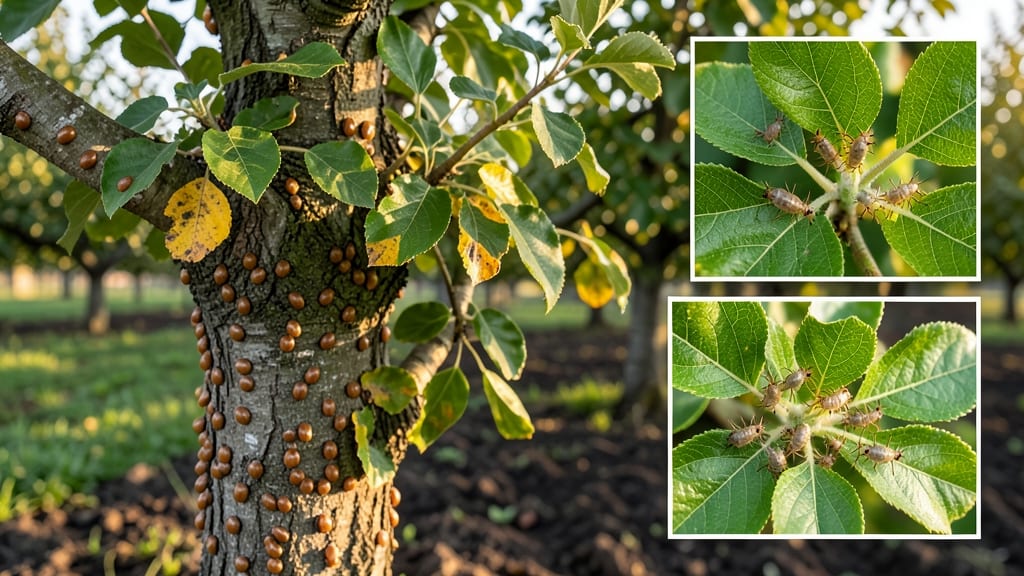
Those tiny white bumps on your apple tree branches aren’t just unsightly—they’re sucking the life out of your fruit. 🌳 I’ve battled apple tree scale for years, and I’ve cracked the code on a homemade spray that works in just 3 days without harsh chemicals.
The secret? A mix of ingredients you already have in your pantry, applied at the right time of year.
The problem starts when scale insects attach themselves to branches, leaving behind sticky residue that attracts sooty mold. Most gardeners panic and reach for chemical sprays, but that’s overkill—especially when a simple horticultural oil or neem oil blend does the trick.
The key is timing: treat in early spring before the insects get too established, or again in fall to knock out overwintering eggs.
By day three, you’ll see those white bumps start to soften and fall off, leaving your tree looking fresh and healthy again. The best part?
This spray is safe for bees, won’t harm beneficial insects, and keeps your fruit clean and chemical-free—perfect for organic gardeners or anyone who loves a good harvest.
Whether you’re dealing with a young tree or an old standby, this method works for both. The only tools you’ll need are a spray bottle, a little elbow grease, and a watchful eye for those early signs. Let’s get your tree back in fighting shape!
Root Causes Of Apple Tree Infestations
Apple trees can develop scale infestations due to a mix of environmental, biological, and human-related factors. Understanding these root causes helps you take targeted action to prevent and treat the problem effectively.
---
Scale insects thrive when apple trees are stressed or weakened, making them easier targets. A few key factors contribute to this vulnerability:
- Poor Nutrition 🥗 Trees lacking essential nutrients—especially nitrogen, potassium, and phosphorus—struggle to produce strong bark and sap, which are natural defenses against pests. A deficiency weakens the tree’s ability to repel scale insects, allowing them to latch on and feed more easily.
- Water Stress 💧 Overwatering or drought can both stress an apple tree. Too much moisture softens the bark, making it easier for scale to penetrate, while drought weakens the tree’s overall health, reducing its resistance to infestations.
- Physical Damage ⚔️ Injuries from pruning, hail, or mechanical harm create entry points for scale. Damaged bark exposes the tree’s inner layers, which scale insects exploit to establish colonies.
---
Scale insects reproduce rapidly under ideal conditions, leading to explosive infestations. Here’s why they multiply so quickly:
- Warm, Dry Climates ☀️ Scale insects prefer warm, dry environments, which accelerate their life cycles. In regions with mild winters and hot summers, they can produce multiple generations per year, overwhelming even healthy trees.
- Lack Of Natural Predators 🐞 While natural enemies like ladybugs, lacewings, and parasitic wasps can control scale populations, chemical pesticides or habitat destruction (e.g., removing ground cover) reduce these predators, allowing scale to proliferate unchecked.
- Dormant Season Survival ❄️ Scale insects often overwinter as eggs or nymphs on tree bark. If not disrupted (e.g., by pruning or oil sprays), they hatch in spring, ready to infest the tree as soon as conditions warm up.
---
Even well-intentioned gardening habits can inadvertently promote scale infestations:
- Improper Pruning ⚠️ Pruning at the wrong time (e.g., during active growth) or leaving stubs can create wounds that attract scale. Additionally, moving infested branches to other trees spreads the problem.
- Ignoring Early Signs 🚨 Many gardeners mistake scale for harmless bumps or assume minor infestations will resolve on their own. By the time symptoms (like sticky honeydew or sooty mold) appear, the infestation may already be severe.
- Using Broad-Spectrum Pesticides 🧪 Chemicals that kill beneficial insects (like predators of scale) can create a vacuum, allowing scale populations to explode. Over-reliance on synthetic sprays disrupts the tree’s natural balance.
--- Understanding these causes empowers you to address the problem at its source—whether through better tree care, encouraging natural predators, or adjusting gardening practices. The next step? Learning how to combat scale organically and effectively.
Quick Fixes for Scaly Apple Trees
Scaly pests on apple trees can be a real headache, but don’t worry—there are effective, organic solutions to get your tree back in shape fast.
Below, we’ve mapped out the best fixes based on the root cause of the problem, from physical removal to homemade sprays that work in just 3 days. Plus, we’ll share prevention tips to keep those pesky scales away for good.
---
If you catch the problem early, manual removal can save your tree without harsh chemicals.
How to do it: 🍳 Gather tools: A soft brush (like a toothbrush), rubbing alcohol (70% isopropyl), and gloves. 👨🍳 Wipe down branches: Dip the brush in rubbing alcohol and scrub off visible scales—focus on buds, crevices, and undersides of leaves. 🥘 Drop them in soapy water: Place dislodged scales in a bucket of soapy water to kill them instantly. ⏰ Repeat weekly until no more scales appear.
✨ Pro Tip: Do this on a dry, sunny day—scales are easier to spot when leaves aren’t wet!
---
For moderate to heavy infestations, a DIY spray is your best bet. These recipes are non-toxic, budget-friendly, and work in 3 days with consistent use.
#### 🔥 Neem Oil Spray (Best for All Stages) Neem oil smothers scales and disrupts their life cycle. Here’s how to make it:
| Ingredient | Amount | Why It Works | |----------------------|--------------------------|-------------------------------------------| | Neem oil | 1 tbsp | Natural insecticide & growth regulator | | Dish soap (mild) | ½ tsp | Helps oil stick to scales | | Water | 1 quart (32 oz) | Carrier liquid | | Optional: | 1 tsp horticultural oil | Boosts effectiveness (if available) |
How to apply: 1. Mix ingredients in a spray bottle and shake well. 2. Spray thoroughly—top and bottom of leaves, bark, and fruit. 3. Reapply every 3-4 days for 10-14 days (scales should be gone in a week!).
💡 Pro Tip: Spray in the evening to avoid burning leaves in direct sunlight.
---
#### 🌡️ Diatomaceous Earth (DE) Dust (For Heavy Infestations) Food-grade diatomaceous earth is a natural powder that dehydrates scales on contact.
How to use: 🔪 Wear a mask (DE is fine but messy). 🍳 Lightly dust branches, crevices, and soil around the tree (scales will crawl into the soil). ⏰ Reapply after rain (it loses effectiveness when wet).
⚠️ Warning: Avoid using DE if bees are active—it can harm them.
---
#### 🎯 Soap Spray (Quick Knockdown) A simple soap solution can kill scales on contact without harming your tree.
| Ingredient | Amount | |----------------------|--------------------------| | Castile soap | 1 tbsp | | Water | 1 quart (32 oz) |
How to apply: 1. Mix soap and water in a spray bottle. 2. Spray directly on scales (avoid overspraying leaves—it can cause browning). 3. Reapply every 2-3 days until scales disappear.
💡 Pro Tip: Use dawn dish soap if Castile isn’t available—it’s just as effective!
---
Once your tree is scale-free, prevent future outbreaks with these easy habits:
- 🌿 Prune regularly – Remove dead branches and thick foliage where scales hide. - 🍎 Monitor new growth – Check buds and young leaves first (scales love tender spots). - 🐝 Encourage beneficial insects – Ladybugs and lacewings eat scales naturally. - 🌧️ Water at the base – Avoid wetting leaves (scales thrive in damp conditions). - 🍂 Clean up fallen debris – Scales overwinter in leaf litter and old fruit.
--- Final Thought: With consistent treatment, your apple tree can be scale-free in just 3 days—and these organic methods keep your fruit safe for eating! 🍏🌟
Frequently asked questions
What do apple tree scales look like up close?
Apple tree scales appear as tiny, white or brown bumps (about 1/16-inch wide) attached to branches or leaves. They resemble small shells or waxy spots and often leave behind a sticky residue (honeydew) that attracts sooty mold. Under a magnifying glass, you’ll see their armored bodies.
Can apple tree scale harm my fruit?
Yes, if left untreated, scale insects weaken the tree by sapping nutrients, which can lead to smaller, lower-quality apples or even fruit drop. The sticky honeydew they produce also attracts sooty mold, making fruit unappealing. Early treatment prevents these issues.
Is neem oil safe to use during flowering?
Neem oil is generally safe for apple trees during flowering, but avoid spraying directly on blooms to protect pollinators like bees. Apply in the early morning or evening when bees are less active, and always follow the 3-day reapplication rule after flowering.
How do I know if my tree has a scale infestation?
Watch for these signs: white bumps on branches, yellowing leaves, or black sooty mold on foliage. If you see these, act fast—scales reproduce quickly. Check the undersides of leaves and buds first, as these are hotspots for infestations.
Will pruning alone eliminate apple tree scale?
Pruning helps by removing infested branches, but it won’t eliminate all scales—especially those hiding in crevices. Combine pruning with horticultural oil sprays in early spring or fall for the best results. Focus on thinning dense areas where scales thrive.