
Pruning
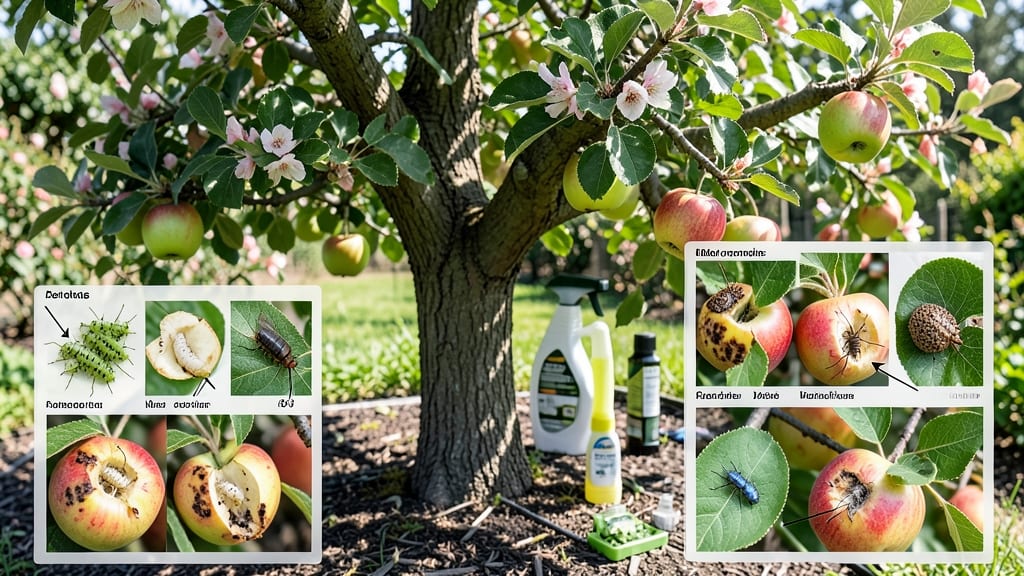
Spotting the first signs of apple tree pests identification—tiny holes in your apples or sticky leaves on your tree? 🍏 Those are the first signs of apple tree pests—and knowing what you're dealing with means you can stop them before they ruin your harvest.
I've spent years tracking down these sneaky invaders, and the visual clues are your best defense. Aphids cluster on new growth, codling moths tunnel into fruit, and apple maggots leave telltale serpentine trails under the skin.
Miss these early warnings, and you'll end up with deformed fruit or a tree that looks like it's been through a war.
The good news? Most pests leave distinct damage patterns—aphids cause curled leaves, spider mites create fine webbing, and borers leave D-shaped exit holes in the bark. I’ve organized the 15 most common threats by what they attack (leaves, fruit, bark) so you can zero in on the problem fast.
For example, if your apples have wormy tunnels, that’s a codling moth infestation; if the fruit is rotting from the inside out, it’s likely apple maggots. The key is acting at the first sign—whether that’s tiny eggs on leaves or chewed petals in spring.
By the end of this guide, you’ll recognize these pests faster than you can say "fall harvest." You’ll also know when to prune for better airflow, when to apply organic sprays, and how to set up traps for moths before they lay eggs.
The goal isn’t to spray everything in sight—it’s to catch problems early, when a simple spray or handpicking can save your tree. Think of this as your pest detective kit: visual clues, life cycle timing, and the exact steps to keep your apples healthy and your tree thriving.
Whether you’re dealing with a new infestation or just want to stay ahead, this visual guide cuts through the guesswork. No more wondering if those specks are just dirt or the start of a full-blown outbreak.
You’ll walk away with confidence—and a harvest that’s worth the effort. Let’s get those pests identified so you can protect what matters most.
Root Causes Of Apple Tree Pests
Apple trees are a magnet for pests—not because they’re weak, but because they’re nutrient-rich, fragrant, and full of tender new growth. Understanding why these critters invade helps you prevent (not just treat) infestations. Below, we break down the science behind the chaos.
Pests thrive where trees struggle. When apple trees are stressed—due to poor spacing, compacted soil, or nutrient deficiencies—they become easy targets. Here’s why:
- Compromised defenses: Healthy trees produce resin and tannins, natural pesticides that deter pests. Stressed trees? Not so much. 🐛🚫
- Root competition: Overcrowded orchards force trees to compete for water and nutrients, weakening their bark and leaves—prime real estate for borers and aphids.
- Drought or overwatering: Both extremes disrupt the tree’s ability to produce phytonutrients (like quercetin), which repel insects. Think of it like a human with a weak immune system: pests see the vulnerability.
Actionable fix: Space trees 15–25 feet apart (depending on variety), mulch to retain moisture, and test soil pH (ideal: 6.0–7.0).
Pests don’t attack randomly—they follow the tree’s life cycle. Here’s when apple trees are most at risk:
| Season | Why Pests Strike | Common Culprits |
|---|---|---|
| Early Spring (Bud Break) | New shoots are soft and sugary, attracting sap-suckers like aphids and mites. Cool temps slow the tree’s defenses. | 🐜 Aphids, 🕷️ Spider Mites, 🐛 Codling Moth larvae |
| Summer (Fruit Maturation) | Ripe fruit emits volatile organic compounds (VOCs) that lure fruit-eating pests. Warmth speeds up their reproduction. | 🐛 Plum Curculio, 🍎 Apple Maggot, 🐝 Hornets (nesting in trees) |
| Fall (Leaf Drop) | Deciduous trees shed nutrients in leaves—pests scavenge fallen debris for eggs or overwintering sites. | 🪰 Borers (Peach Tree Borer), 🕷️ Scale Insects, 🍂 Fungal spores (hitchhiking on pests) |
Pro tip: 🌡️ Monitor your tree weekly during these windows. Use a hand lens to spot eggs or webbing early.
Leaving behind debris, mummified fruit, or old nests is like leaving out a welcome mat for pests. Here’s how it plays out:
- Mummified fruit = Larval hotel: Fruits that shrivel on the tree (from codling moth or apple maggot) harbor 1,000+ larvae per gallon of debris. 🐛🏨
- Weeds = Pest highways: Grassy understory provides shelter for Japanese beetles and ants (which farm aphids for honeydew).
- Stale water = Mosquito & fungal breeding: Standing water in tree hollows or saucers attracts apple scab spores and fruit flies.
Actionable fix: 🔥 Clean up fallen fruit, leaves, and weeds within 10 feet of the tree’s drip line. Use a pruner to remove dead wood (borer hotspots).
Some pests are region-specific because they thrive in certain conditions. For example:
- Humid climates: Fungi like apple scab and powdery mildew spread faster with high moisture and warm nights.
- Arid regions: Scale insects and mealybugs dominate because dry air weakens the tree’s waxy cuticle, making it easier for them to pierce the bark.
- Urban areas: Japanese beetles and gypsy moths hitch rides on wind or human activity, then overwhelm local orchards.
Data-driven tip: 📊 Check your USDA Hardiness Zone and local agricultural extension reports to predict which pests are most likely in your area. For example, the apple maggot is rampant in Zones 5–9.
Even well-meaning gardeners can unwittingly introduce pests. Common ways:
- Infested nursery trees: Fire blight bacteria or borers can hide in bark or roots when you buy a new tree.
- Shared tools: Pruners or saws contaminated with bacterial canker or sooty mold spores spread disease.
- Wildlife corridors: Planting near wooded areas increases the chance of deer browsing (damaging bark) or birds dropping infested fruit.
Prevention hack: 🔍 Quarantine new trees for 2–4 weeks, sterilize tools with 70% rubbing alcohol, and avoid planting near wild apple or crabapple trees (they’re pest magnets).
Fixing Apple Tree Pests Naturally
Once you’ve identified the culprits wreaking havoc on your apple tree, it’s time to take action! The good news? Many common pests can be managed with targeted, eco-friendly solutions—no harsh chemicals required.
Below, we’ve mapped out practical fixes for each pest, along with prevention tips to keep your tree thriving long-term.
🔥 Fix It: Codling moth larvae burrow into apples, turning them into inedible mush. Stop them with these steps: 1. Trunk Wrapping (🍳) – In early spring, wrap the trunk with sticky tree bands (like Tanglefoot) to trap emerging moths.
- Pheromone Traps (👨🍳) – Hang codling moth traps in the tree’s canopy to disrupt mating cycles.
- Netting (🥘) – Cover fruit clusters with fine mesh netting once flowers fade to block egg-laying.
- Organic Sprays (⏰) – Apply kaolin clay or spinosad-based sprays during bloom to suffocate larvae.
✨ Prevention Pro Tip: Prune succulent shoots (where moths lay eggs) in late winter to reduce hiding spots.
🔥 Fix It: These tiny flies lay eggs in ripening fruit, causing brown, mushy spots. Combat them with:
- Red Sphere Traps (🍎) – Hang red sticky traps in the tree to lure and catch adults.
- Protectant Sprays (🔪) – Use pyrethrin-based sprays (derived from chrysanthemums) every 7–10 days starting in summer.
- Harvest Early (⏰) – Pick fruit before full ripeness (when maggots are most active) and store in a cool, dry place.
- Crop Rotation (🌱) – Avoid planting apple trees in the same spot yearly—maggots overwinter in soil.
💡 Smart Tip: Drop cloths under the tree can help catch falling infested fruit before it spreads larvae.
🔥 Fix It: These armored pests suck sap, causing yellowing leaves and sticky honeydew. Knock them out with:
- Manual Removal (🧹) – Scrape off white, waxy scales with a plastic scraper (especially on young trees).
- Horticultural Oil (🥘) – Spray dormant oil in late winter/early spring to smother eggs and nymphs.
- Beneficial Insects (🐝) – Introduce ladybugs or parasitic wasps (like Aphytis melinus) to eat scales naturally.
- Prune Heavily (✂️) – Remove severely infested branches and dispose of them in sealed bags.
🔥 Hot Tip: Avoid overwatering—scales thrive in dry, stressed trees!
🔥 Fix It: Larvae chew leaves into skeletons, leaving only veins. Stop them with:
- Netting (🛡️) – Cover young trees with fine mesh netting to block adult flies.
- Neem Oil Spray (🌿) – Apply neem oil every 10–14 days to disrupt their life cycle.
- Handpick Larvae (👆) – Drop them into soapy water (they’re easy to spot—green, fuzzy caterpillars).
- Encourage Birds (🐦) – Install birdhouses—robins and chickadees love sawfly larvae!
🎯 Precision Tip: Time sprays for late spring when larvae first appear (usually after bloom).
🔥 Fix It: These tiny pests cause yellow stippling on leaves. Fight back with:
- Strong Water Spray (💦) – Blast leaves with water every 2–3 days to dislodge mites (they hate humidity).
- Neem Oil (🌿) – Spray neem oil + mild soap to suffocate them (reapply weekly).
- Predatory Mites (🕷️) – Release Phytoseiulus persimilis (beneficial mites) to hunt them naturally.
- Reflective Mulch (🌞) – Cover the base with aluminum foil or silver plastic to confuse mites.
🌡️ Temperature Hack: Mites thrive in dry heat—keep soil moist to deter them.
🔥 Fix It: These sap-suckers cluster on new growth, causing curled leaves and sticky residue. Eliminate them with: 1. Water Blast (💦) – Spray them off with a strong hose stream (repeat daily for severe infestations).
- Insecticidal Soap (🧼) – Use potassium soap spray to dissolve their waxy coating.
- Ladybugs & Lacewings (🐞) – Purchase beneficial insect eggs or attract them with dill or fennel plants.
- Garlic Spray (🧄) – Mix garlic + water + cayenne pepper for a natural repellent.
💡 Garden Hack: Plant garlic, chives, or marigolds nearby to repel aphids naturally.
🔥 Fix It: These fuzzy pests smother branches with white cottony masses. Remove them with:
- Prune Infested Branches (✂️) – Cut and burn or bag heavily infected limbs.
- Horticultural Oil (🛢️) – Apply summer oil spray to suffocate them (avoid in extreme heat).
- Soap Spray (🧼) – Use 1 tbsp castile soap per gallon of water to dissolve their wax.
- Encourage Ant Control (🐜) – Since ants farm woolly aphids, use diatomaceous earth around the base to deter them.
⚠️ Warning: Do NOT use systemic pesticides—they can harm bees and beneficial insects.
🔥 Fix It: These weevils drill holes in fruit, causing rot. Stop them with:
- Burlap Bands (🧵) – Wrap trunks with burlap in spring to trap emerging adults.
- Trap Crops (🍎) – Plant early-maturing apple varieties to lure weevils away from your main crop.
- Till Soil (🌱) – In fall, till the ground to expose pupae (they’re sensitive to sunlight).
- Kaolin Clay (🎨) – Spray Surround WP to create a physical barrier they can’t penetrate.
🔥 Fire Tip: Burn fallen fruit in autumn to eliminate overwintering weevils.
🔥 Fix It: Caterpillars roll leaves into tubes, feeding on tender tissue. Eliminate them with:
- Handpick & Destroy (🧹) – Remove rolled leaves and drop them in soapy water.
- Pheromone Traps (🕯️) – Use leafroller traps to monitor and reduce mating.
- Burlap Bands (🧵) – Wrap trunks to prevent adult moths from climbing.
- Burn Debris (🔥) – Rake and burn fallen leaves in autumn to kill pupae.
✨ Eco Tip: Compost only pest-free leaves—leafrollers can survive in untreated compost
Frequently asked questions about apple tree pests
How can I tell if my apple tree has pests before the fruit is damaged?
Look for early warning signs like sticky residue on leaves (honeydew from aphids), tiny holes in buds (leafrollers), or speckled leaves (mite damage). Check the undersides of leaves for eggs or webbing—these appear before fruit damage. Use a hand lens to spot pests like spider mites or scale insects.
What’s the difference between codling moth damage and apple maggot damage?
Codling moths create serpentine tunnels inside apples (visible when you cut the fruit), while apple maggots cause small, brown, mushy spots that don’t form tunnels. Codling moth larvae exit through a single hole, while maggots leave multiple entry points.
Can I use the same treatment for all apple tree pests?
No—different pests require targeted solutions. For example, neem oil works for aphids and mites but won’t stop borers or maggots. Always match the treatment to the pest (e.g., kaolin clay for codling moths, pheromone traps for leafrollers). Check the pest’s life cycle to time treatments effectively.
How often should I inspect my apple tree for pests?
Inspect your tree every 7–10 days during growing season (spring to fall). Focus on new growth (aphids), fruit clusters (maggots), and bark crevices (borers). Early detection is key—wait until pests spread, and you’ll face a full-blown infestation.
Are there any natural predators that help control apple tree pests?
Yes! Ladybugs eat aphids, parasitic wasps attack codling moths, and birds (like robins) devour caterpillars. Plant dill, fennel, or marigolds near your tree to attract beneficial insects. Avoid pesticides—they kill these natural allies too!