
Neem Oil
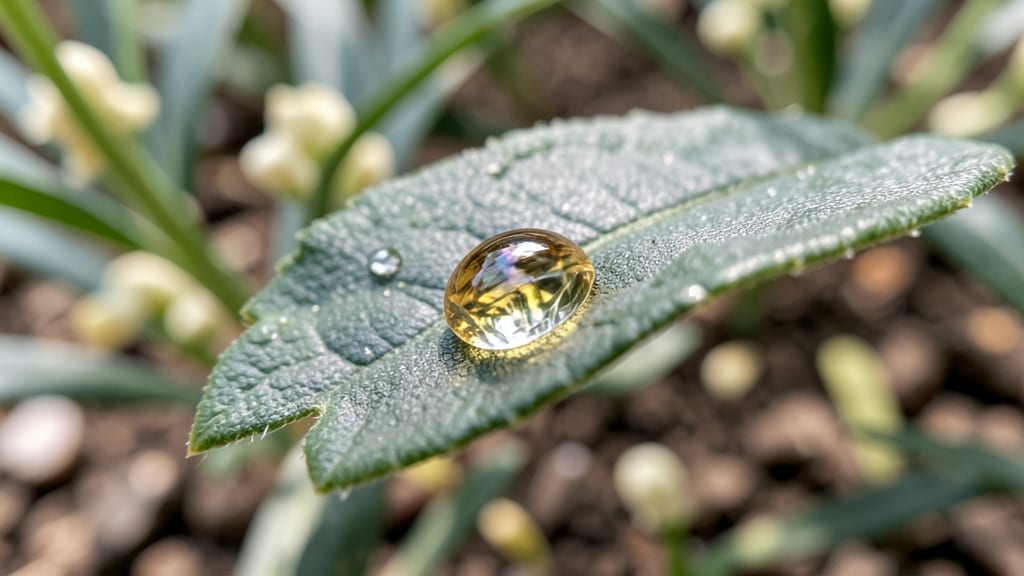
Tea tree oil serves as a powerful ant repellent because its terpinen-4-ol compounds scramble ants' scent trails and create an inhospitable environment for them. Mix 10-15 drops per cup of water, apply with a spray bottle along entry points, or use outdoors—just avoid spraying directly on plants to protect their health.
This natural solution works better than many commercial repellents because ants rely heavily on pheromones to navigate and forage. 🔥 When tea tree oil's active compounds interfere with these chemical signals, worker ants lose their trail and retreat.
For best results, I recommend reapplying every 3-5 days or after rain, since outdoor conditions can dilute the effectiveness. The key is consistency—ants remember treated areas and avoid them once they experience the oil's strong scent.
For garden use, I often combine tea tree oil with water and a few drops of dish soap to help the mixture cling to surfaces. This blend works especially well for outdoor patios or along foundation cracks where ants commonly enter homes.
Always do a patch test on plants first, as some varieties may be sensitive to even diluted essential oils.
💡 In This Article
- How Tea Tree Oil Disrupts Ant Behavior
- Safe Tea Tree Oil Ant Repellent Recipes for Gardens
How tea tree oil disrupts ant behavior
Tea tree oil's ant-repelling power comes from its terpinen-4-ol content, which makes up 30-50% of its composition. This compound works by interfering with ants' sophisticated pheromone communication system.
Ants rely on scent trails to recruit colony members and navigate food sources, but terpinen-4-ol disrupts these chemical signals by masking them or altering their molecular structure.
Studies show that even low concentrations (1-2%) can confuse worker ants, causing them to abandon foraging paths and retreat from treated areas.
The oil's strong aroma also plays a role—ants have highly sensitive olfactory receptors that detect even trace amounts of volatile organic compounds. When tea tree oil evaporates, it releases 1,8-cineole and α-terpinene, which create an overwhelming scent that repels ants similarly to how strong citrus smells deter fruit flies.
This dual mechanism (chemical disruption + sensory overload) makes tea tree oil more effective than single-action repellents like vinegar, which only works through odor.
What most people don't realize is that tea tree oil affects different ant species differently. Sugar ants (like odorous house ants) are particularly sensitive to terpinen-4-ol, while carpenter ants may require slightly higher concentrations.
The oil also creates a physical barrier—when applied to surfaces, it leaves a thin residue that ants avoid walking across. This is why sprays work better than just placing oil drops: the surface coverage matters more than concentration alone.
Research published in the Journal of Chemical Ecology found that tea tree oil's effectiveness lasts 7-10 days outdoors before environmental factors (rain, UV exposure) degrade the active compounds.
The oil's hydrophobic nature means it won't mix well with water alone, which is why adding a small amount of rubbing alcohol (1 tsp per cup) helps disperse it more evenly on surfaces. This creates a longer-lasting repellent effect compared to water-only solutions.
Interestingly, tea tree oil doesn't kill ants outright—it acts as a deterrent by making their environment uncomfortable. This behavioral modification is actually beneficial because it prevents ants from developing resistance (which happens with insecticide-based solutions).
The oil's broad-spectrum effectiveness also means it works against other pests like cockroaches and spiders, though the concentration may need adjustment for different species.
For maximum impact, apply the solution when ants are most active—typically in the morning when they're foraging. The oil's compounds work best when fresh, so reapplication every 3-5 days maintains the repellent effect.
In humid conditions, you may need to apply more frequently since moisture can dilute the oil's potency more quickly.