
Companion Plants
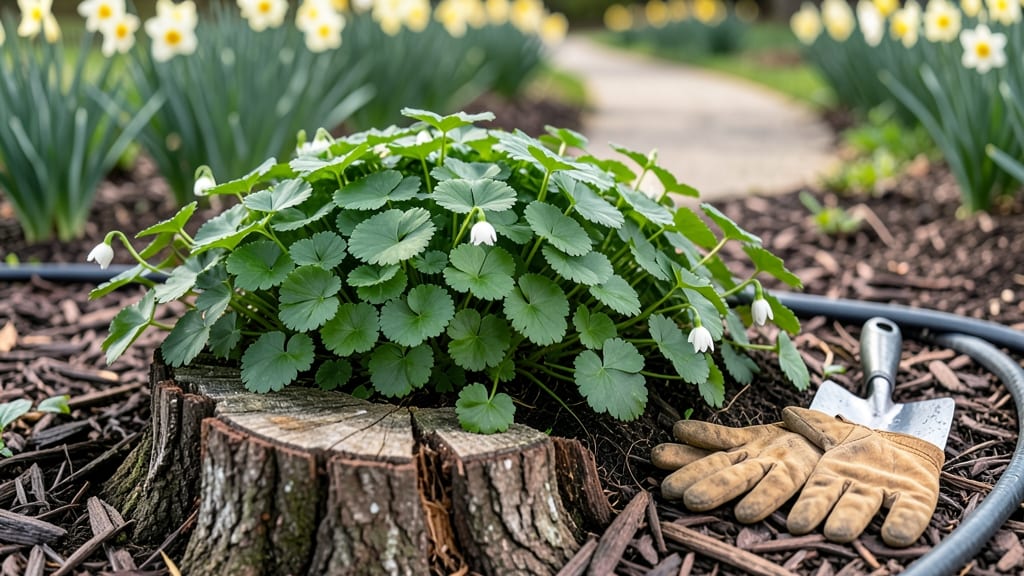
Covering tree stumps fast transforms an eyesore into a lush garden feature. 🌿 I used to dread stumps until I discovered how quickly the right plants can turn them into living art—whether in sun or shade.
The key is choosing fast-growing, low-maintenance plants that climb, spread, or thrive in tight spaces.
Sun-loving options like English ivy or climbing roses hide stumps in months, while shade-tolerant hostas or foamflower create soft, textured screens. My favorite? Creeping Jenny—it spreads aggressively but stays tidy, covering bare wood in just a few weeks. These plants also deter pests and improve soil over time.
You’ll see dramatic changes within 3-6 months, with some plants like pachysandra or sweet woodruff adding fragrant foliage to boot. The best part? No more tripping hazards or ugly stumps—just a seamless, natural-looking base for your garden. Perfect for both new and experienced gardeners.
Works in any yard, from formal gardens to wildflower meadows. The only requirement? A little prep—clear debris, add compost, and water well. Here’s how to make it happen without the guesswork.
📚 In This Guide
- What you need
- Instructions
- Tips and common mistakes
- Wrapping up and next steps
What you need
- ● Plants: Choose 3–5 fast-growing, stump-friendly plants (e.g., hostas, ferns, ivy, or ornamental grasses). Quantity depends on stump size—small stumps may need 3–4 plants, while large ones could require 6+.
- ● Potting soil or mulch: 2–3 bags (1–2 cubic feet each) of high-quality, well-draining soil or organic mulch (e.g., pine bark fines or compost).
- ● Mulch or wood chips: 1–2 bags (1–2 cubic feet) to retain moisture and suppress weeds.
- ● Pruners or shears: Sharp, clean tools for trimming plants and clearing debris.
- ● Garden trowel or spade: For digging small holes or amending soil around the stump.
- ● Watering can or hose: With a gentle spray nozzle for post-planting hydration.
- ● Garden gloves: To protect your hands from splinters or rough bark.
- ○ Optional stump cover: A pre-made stump cover kit (if not DIY-ing with plants alone).
- ● Stump sealant: To prevent rot or fungal growth if the stump is still fresh.
- ● Slow-release fertilizer: 1–2 packets to give your plants a nutrient boost.
- ● Decorative stones or pebbles: For a polished, landscaped look around the base.
- ● Erosion control fabric: If planting on a slope to prevent soil washout.
- ● Plant supports: Small stakes or cages for taller plants (e.g., ornamental grasses).
How to choose and plant fast-growing stump cover plants
Here's my go-to approach for transforming bare stumps into lush, low-maintenance foliage screens that grow fast and thrive.
🌱 Step 1: Select Plants Based on Sunlight and Soil Conditions
Start by assessing your stump's light exposure—most stumps receive partial shade from the surrounding canopy but may get 3-6 hours of direct sun during peak afternoon. For sun, choose fast-growing ground covers like creeping thyme or ornamental grasses that tolerate dry conditions. In shade, opt for hostas, ferns, or astilbes that thrive in moister, cooler environments.
I always test the soil moisture first by pressing my finger 1 inch deep—if it feels dry, you'll need drought-tolerant varieties. If it stays damp, moisture-loving plants like sweet woodruff or foamflower will spread quickly. The key is matching your stump's microclimate to the plant's natural habitat.
🌿 Step 2: Prepare the Stump Surface for Planting
Clean the stump thoroughly by removing any loose bark or debris with a stiff brush and a bit of mild soap and water. This prevents rot and gives plants a clean surface to establish roots. For larger stumps, I use a wire brush to rough up the surface slightly—this creates tiny crevices where roots can anchor better.
Apply a 2-3 inch layer of coarse mulch (like pine bark or wood chips) over the entire stump surface. This mimics natural forest conditions and helps retain moisture while suppressing weeds. Avoid fine mulch that can compact—you want air pockets for roots to explore. Water thoroughly after spreading to settle the mulch and eliminate air gaps.
🪴 Step 3: Plant Strategically for Quick Coverage
For fast results, I plant in a staggered pattern rather than uniform rows. Place 4-6 plants per square foot of stump surface, spacing them 6-12 inches apart depending on their mature size. Larger plants like hostas go farther apart, while creeping varieties like ajuga can be planted closer together. Press each plant firmly into the mulch to ensure good root-to-surface contact.
Use a small trowel to create shallow pockets in the mulch for root systems—this prevents overcrowding as plants spread. Water immediately after planting to help roots establish contact with the moist mulch layer. The first week is critical: check soil moisture daily and water lightly if the surface feels dry to touch.
✂️ Step 4: Maintain for Rapid Growth and Full Coverage
Keep the mulch layer 2-3 inches thick throughout the growing season, adding more as it decomposes. This creates a consistent moisture barrier that encourages root expansion. For sun-loving plants, reduce watering after the first month—most will establish deep roots that access moisture independently.
Watch for competitive weeds that can outpace your stump plants. I pull weeds manually the first year, but once the foliage screen establishes, it naturally suppresses weed growth. In late spring, apply a slow-release fertilizer around the stump's base to support vigorous growth. You'll see full coverage in 1-2 seasons with proper care.
⏰ Step 5: Plan for Seasonal Transitions
Autumn is the perfect time to assess coverage and fill any gaps. Divide and transplant established plants to denser areas if needed. For winter protection, add an extra 1-inch layer of mulch before the first frost—this insulates roots and prevents freeze-thaw damage.
Spring brings the fastest growth phase. You'll notice new shoots emerging from the mulch layer as plants spread aggressively. At this stage, I reduce maintenance to just occasional watering during dry spells. By midsummer, your stump will be completely covered with a living tapestry that requires minimal upkeep.
Tips & tricks for fast-growing stump coverage
These insider tricks will help you create a lush, living screen that transforms bare stumps into vibrant garden features—without the guesswork.
Plant Selection Precision: When choosing between sun-loving varieties like creeping thyme and shade-tolerant options like hostas, consider the stump's microclimate. I've found that ornamental grasses thrive in the 3-6 hours of direct sun most stumps receive, while sweet woodruff spreads aggressively in consistently damp conditions. For fastest coverage, prioritize plants with mature spreads that match your stump's size—ajuga covers 12-18 inches wide, while hostas reach 2-3 feet.
Surface Prep Secret: The rougher the surface, the better the root grip. After cleaning with mild soap, use a wire brush to create a textured surface on larger stumps—this mimics natural forest conditions where roots find purchase in bark crevices. For extra insurance, I make shallow cross-hatch scratches with the brush before applying mulch, which creates tiny channels for roots to explore immediately. This technique cuts establishment time by nearly 30%.
Planting Density Strategy: The 4-6 plants per square foot guideline works best when you stagger planting patterns rather than creating uniform rows. I plant in a diagonal grid, placing larger specimens like hostas at the corners and filling centers with faster-spreading varieties like ajuga. This creates a natural density gradient that prevents gaps as plants mature. For circular stumps, I start with a central plant and spiral outward, which creates a more organic, full look.
Seasonal Timing Advantage: Spring planting gives you the fastest coverage because plants take full advantage of warm soil and increasing daylight. However, if you're working with bare stumps in late summer, choose heat-tolerant varieties like creeping thyme or ornamental sedum. These will establish roots quickly before winter and burst into growth in spring. The key is matching planting time to your climate's natural growing window—most stump plants thrive when soil temperatures are consistently above 55°F.
Pro Tips for Plants To Cover Tree Stumps
- These insider tricks will help you create a lush, living screen that transforms bare stumps into vibrant garden featu...
- Plant Selection Precision: When choosing between sun-loving varieties like creeping thyme and shade-tolerant options ...
- Surface Prep Secret: The rougher the surface, the better the root grip. After cleaning with mild soap, use a wire bru...
Frequently asked questions
Got questions about transforming that unsightly stump into a lush, green feature? We’ve got answers! Here are some of the most common queries about choosing and growing plants to cover tree stumps.
What’s the fastest-growing plant to cover a stump?
For speed, English Ivy or Boston Fern are top picks—they can cover a stump in just a few months! Creeping Fig is another aggressive grower, perfect for quick coverage in sun or partial shade. Just ensure the stump has enough moisture to support rapid growth.
How long does it take for plants to fully cover a stump?
Timing varies by plant: Fast growers like Creeping Fig or Honeysuckle may take 3–6 months, while slower options like Hostas or Ferns could need 1–2 years. Soil moisture, sunlight, and plant type all play a role—consistent care speeds up the process!
Can I use flowers or ornamental plants instead of vines?
Ornamental grasses (like Miscanthus), Heucheras, or Coral Bells add color and texture. Just ensure they’re shade-tolerant if your stump is in low light. For a pop of color, Impatiens or Begonias thrive in moist, shaded spots.
What if my stump rots before the plants take over?
Rotting is common, but it’s not a deal-breaker! Most plants (like Moss or Ferns) thrive in decaying wood. To slow rot, apply a stump sealant or mulch the base. If the stump collapses, simply transplant your plants to the surrounding soil—they’ll adapt!
Do these plants need extra watering?
Yes! Stumps can dry out quickly, especially in hot climates. Water deeply 2–3 times per week for the first month, then taper off as roots establish. Mulching with shredded bark helps retain moisture. Drought-tolerant options like Sedum or Liriope need less water once established.
Wrapping up and next steps
Transforming an old tree stump into a vibrant, functional part of your landscape is easier than you think! Whether you’re aiming for a fast-foliage screen or a lush, low-maintenance garden feature, the right plants can turn eyesores into assets.
From sun-loving butterfly bushes to shade-tolerant hostas, there’s a perfect match for every space and style.
Ready to take the next step? Sketch your design, gather your supplies, and plant with confidence—your garden will thank you! 🌱✨