
Flowers
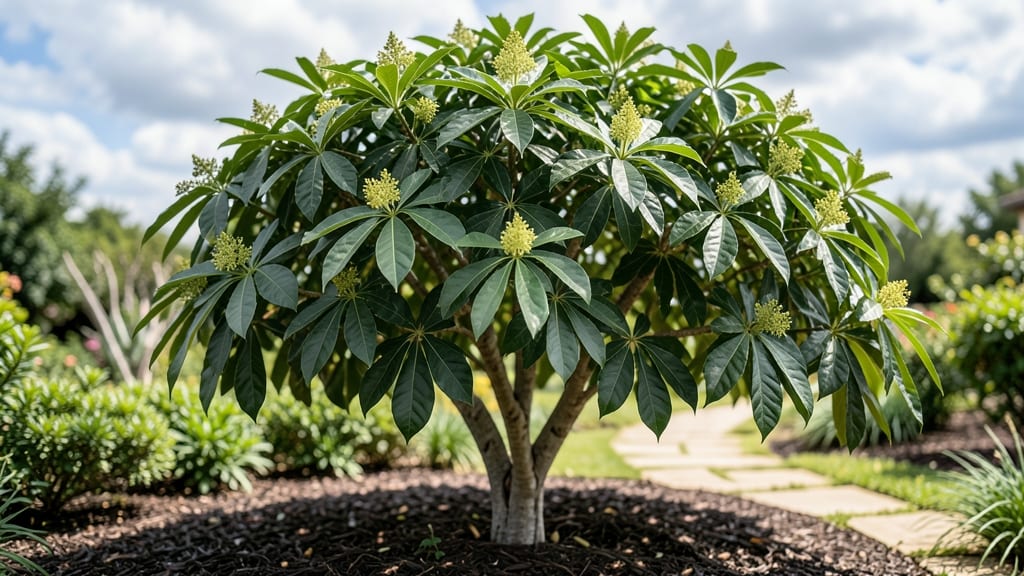
Imagine a tree that blooms with fragrant, creamy-white flowers and casts dappled shade like a tropical dream. 🌺 The paradise tree's delicate blossoms transform any landscape into a serene retreat—especially when planted as a focal point in subtropical gardens.
Its glossy foliage and airy canopy create that "vacation vibe" year-round, even in small yards.
These flowers aren’t just pretty—they’re seasonal showstoppers, appearing in late spring to early summer when most gardens crave color. Pair it with ferns or bird-of-paradise for a lush, layered look, or let it stand alone as a statement piece near patios or pools.
The scent alone makes it worth growing, but the visual impact? Unmatched.
In just five years, a paradise tree can reach 20-30 feet tall, providing shade and structure while its flowers attract pollinators. The key is giving it room to spread—its branches arch gracefully, creating natural arches or canopies.
For maximum drama, plant two as a pair flanking a walkway or entry.
Perfect for warm climates (zones 9-11) but can handle brief cold snaps as a container plant. The real magic? How it turns an ordinary garden into a tropical escape with minimal effort. Let’s make yours unforgettable.
📚 In This Guide
- What you need
- Instructions
- Tips and common mistakes
- Wrapping up and next steps
What you need
- ● Seeds or Saplings: 1–3 high-quality Simarouba glauca seeds (or a 1–2 ft sapling from a nursery).
- ● Well-Draining Soil: 5–10 gallons of a mix: 60% cactus/succulent soil, 30% perlite, 10% compost.
- ● Pot or Planting Site: For seeds: 1–2 6-inch pots with drainage holes.
- ● For saplings: 1 15–20 gallon container or a sunny, sheltered outdoor spot (USDA Zones 9–11).
- ● Watering Can or Hose: 1–2 gallons capacity (with a gentle spray nozzle for seedlings).
- ● Fertilizer: 1 balanced 10-10-10 fertilizer (for saplings) or seaweed extract (for seeds).
- ● Pruning Shears: 1 pair (sterilized, with sharp bypass blades).
- ● Grow lights (for indoor seedlings: 1 full-spectrum LED, 12+ hours/day).
- ● Mulch (2–3 inches of pine bark to retain moisture).
- ● Pest control: Neem oil (1 tsp per gallon of water) for aphids/mealybugs.
- ● Soil pH tester (aim for 6.0–7.5; adjust with lime or sulfur if needed).
- ● Stakes (1–2 bamboo stakes) for young saplings in windy areas.
Step-by-Step guide to cultivating paradise tree flowers
Here's how I grow these stunning tropical blooms—faster than you'd expect.
🌱 Step 1: Select the Right Paradise Tree Variety
The first choice matters most: Simarouba glauca (paradise tree) thrives in warm climates but needs the right variety for your zone. Look for cold-hardy cultivars like 'Florida Paradise' if you're in zones 9-11—it handles brief dips to 25°F better than tropical natives. I always verify the species tag at the nursery since mislabeled seedlings grow into disappointment.
Young trees arrive as bare-root or potted specimens. If bare-root, soak the roots in lukewarm water for 20 minutes before planting—this jumpstarts hydration and reduces transplant shock. You'll know it's ready when the roots plump slightly and feel springy to the touch.
☀️ Step 2: Plant in Well-Draining, Slightly Acidic Soil
Paradise trees despise soggy roots, so amend heavy clay with 20% coarse sand or perlite to improve drainage. A soil pH of 5.5-6.5 keeps nutrients available—test your soil before planting. I dig a hole twice as wide as the root ball but only as deep as the container's base to prevent burying the trunk too deep.
Backfill with native soil mixed with compost, then water deeply to settle everything. The top of the root ball should sit 1-2 inches above ground level—this prevents crown rot. Mulch with 3 inches of pine bark to maintain moisture and acidity, but keep mulch 6 inches away from the trunk to avoid rot.
💧 Step 3: Water Deeply but Infrequently
First-year trees need 1-2 gallons of water weekly, but let the soil dry 3-4 inches deep between waterings. Overwatering is the #1 killer—you'll see yellowing leaves or wilting despite damp soil as the first warning signs. I use a moisture meter to check; aim for 40-50% moisture at 3-inch depth.
Once established (after 2 years), paradise trees tolerate drought surprisingly well. You'll notice new growth slows when soil goes bone-dry, but the tree recovers quickly after a deep soak. Fertilize lightly in spring with balanced 10-10-10—too much nitrogen delays flowering.
✂️ Step 4: Prune for Shape and Airflow
Prune only to remove dead branches or shape the canopy in late winter before new growth starts. I use clean, sharp pruners to make cuts just outside the branch collar—never leave stubs. Paradise trees bloom on new wood, so avoid heavy pruning in summer.
Watch for suckers at the base—these compete with the main trunk. Remove them immediately with a hand pruner to direct energy upward. The goal is a single, sturdy trunk with an open canopy that lets sunlight reach all branches—this encourages those showy white, fragrant flowers in years 3-5.
🪴 Step 5: Protect from Frost and Pests
Young trees need frost cloth if temperatures dip below 30°F. I drape it loosely over the canopy and secure with stakes—tight wrapping traps moisture and invites rot. For pests, neem oil spray monthly deters aphids and scale, which love the tree's sap.
Mature trees develop thick bark that resists damage, but young specimens may need burlap wraps in winter. You'll know it's working when the tree drops old leaves naturally in spring rather than struggling to regrow after frost damage.
Tips & tricks for growing stunning paradise tree flowers
Here's what nobody tells you about getting those dreamy blooms—lessons from my own garden mishaps.
Root Prep Matters: That 20-minute root soak in Step 1 isn't just about hydration—it's about reviving dormant root tips. I learned this the hard way after planting dry roots that took months to recover. Use lukewarm water (not cold) and check root pliability before planting. If roots feel stiff after soaking, give them another 10 minutes.
Soil Science Isn't Optional: The 20% sand amendment in Step 2 prevents the #1 killer of paradise trees—root rot. Test your soil's pH before planting; if it's above 6.5, mix in sulfur or peat moss. I once planted in alkaline soil and spent two years fighting yellowing leaves before realizing the pH was the real issue.
Watering Wisdom: Those 1-2 gallons weekly in Step 3 should go directly to the root zone, not the leaves. Use a soaker hose to avoid wetting foliage, which attracts fungal diseases. The 3-4 inch dry-down rule is critical—stick your finger in the soil; if it feels damp below 3 inches, wait another day.
Pruning Precision: When shaping your tree in Step 4, make cuts at a 45-degree angle just outside the branch collar. I used to cut too close to the trunk, creating wounds that took years to heal. For suckers at the base, pull them when they're pencil-sized—not thicker—to avoid damaging the main root system.
Pro Tips for Paradise Tree Flowers
- Here's what nobody tells you about getting those dreamy blooms—lessons from my own garden mishaps.
- Root Prep Matters: That 20-minute root soak in Step 1 isn't just about hydration—it's about reviving dormant root tip...
- Soil Science Isn't Optional: The 20% sand amendment in Step 2 prevents the #1 killer of paradise trees—root rot. Test...
Frequently asked questions
Got questions about growing paradise tree flowers? Here are the most common ones—and their answers!
Whether you're a first-time gardener or a seasoned plant parent, these tips will help you cultivate a stunning tropical canopy with ease.
How long does it take for a paradise tree to flower?
Paradise trees (Simarouba glauca) typically take 5–10 years to produce flowers, depending on growing conditions. Young trees focus on root and trunk growth first, but with proper care—like full sun, well-draining soil, and patience—you’ll see those fragrant white blooms emerge in their prime. Pro tip: Prune lightly to encourage bushier growth, which can speed up flowering slightly!
Can paradise trees survive cold winters?
These tropical beauties are not frost-tolerant—they thrive in USDA zones 9–11 and need temperatures above 25°F (-4°C). If you live in colder climates, grow them in large containers and bring them indoors during winter or plant them near a heat source. Mulching helps insulate roots, but expect leaf drop in chilly snaps. Troubleshoot: If leaves yellow or wilt, they’re likely shocked—gradually acclimate them to cooler temps!
What’s the best soil mix for paradise tree flowers?
Paradise trees love well-draining, slightly acidic soil (pH 5.5–6.5). A mix of 60% sandy loam, 20% compost, and 20% perlite or orchid bark works wonders. Avoid heavy clay, which causes root rot. For containers, add coco coir to retain moisture without suffocating roots. Alternative: If your soil is alkaline, amend it with pine needles or sulfur to lower pH gradually.
Why aren’t my paradise tree leaves turning green?
Yellowing or pale leaves often signal nutrient deficiencies (like nitrogen or magnesium) or overwatering. Check soil moisture—paradise trees hate soggy roots! Feed with a balanced tropical plant fertilizer (20-20-20) in spring and summer. If leaves curl, it could be pests like spider mites—spray with neem oil or insecticidal soap. Quick fix: Wipe leaves with a damp cloth to remove dust, which blocks sunlight!
Are there smaller paradise tree alternatives for small gardens?
If space is limited, consider these low-maintenance tropical bloomers:- Jacaranda (fast-growing, purple flowers, zones 9–11)
- Tabebuia (pink trumpet flowers, drought-tolerant)
- Pond apple (Annona glabra) (fragrant white blooms, thrives in swamps!)
- Dwarf royal poinciana (compact, orange flowers, zones 10–11)
All offer similar beauty with smaller footprints. Just ensure they match your climate!
Wrapping up and next steps
The paradise tree flower isn’t just a stunning tropical beauty—it’s a rewarding journey that unfolds over time. With patience, the right care, and a dash of creativity, you’ll transform your garden into a lush, fragrant paradise in just five years. 🌺✨
Ready to dive in? Start by gathering your supplies, then plant with confidence—your future canopy of blooms is waiting! What’s your first step? Share your progress or questions in the comments below!