
Pruning
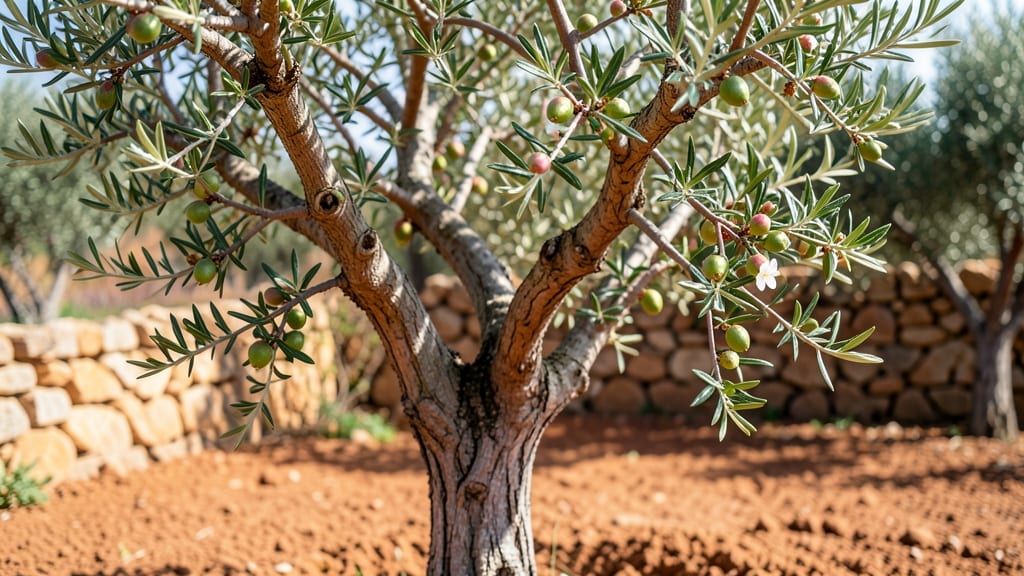
Budding an olive tree 🫒 is the fastest way to turn a slow-growing seedling into a fruit-bearing powerhouse—skipping years of waiting for natural maturation.
Imagine planting a seed, watching it grow for five years, and still not getting a single olive. That’s the frustrating reality for many gardeners, but budding—an ancient grafting technique—can accelerate fruit production by three to five years with minimal effort.
Whether you’re a beginner or an experienced gardener, this step-by-step guide covers everything from the best tools and timing to the two most effective budding methods: whip-and-tongue and chip budding.
You’ll learn how to avoid common mistakes, care for your grafted tree, and ensure a successful union that leads to abundant harvests.
By the end, you’ll know exactly when to bud, which scions work best, and how to troubleshoot if things go wrong—so you can start enjoying homegrown olives years ahead of schedule.
Olive tree budding methods: whip-and-tongue vs chip budding explained
If you're eager to grow a productive olive tree but frustrated with slow seed growth, budding is your best shortcut.
This ancient technique lets you transfer a single bud or small stem section from a desirable olive tree onto a rootstock, creating an instant hybrid with faster fruit production and improved traits. Two methods dominate: whip-and-tongue and chip budding, each with unique advantages for olive trees.
The right choice depends on your skill level, available tools, and the specific olive variety you're working with. Whip-and-tongue is ideal for beginners because it's more forgiving, while chip budding offers quicker results and better success rates in hot climates.
Let's break down both methods so you can decide which fits your gardening goals.
🌱 Comparison Table:
For whip-and-tongue budding, you'll make matching slits in both the scion (your desired olive branch) and the rootstock. The goal is to align the cambium layers—the green growth tissue just under the bark—so they can fuse naturally.
This method works best when branches are flexible enough to interlace, typically in late winter or early spring when olive trees are dormant but not yet actively growing.
Start by selecting a healthy 1-year-old olive branch with 3-5 buds and a diameter of about 6-12mm. Sterilize your budding knife with rubbing alcohol to prevent disease. Make a 1.5-inch horizontal cut on the rootstock, then create a tongue-shaped notch at the bottom.
Repeat the same cuts on your scion, ensuring the cambium layers align perfectly when inserted.
Secure the graft with grafting tape or rubber bands, leaving the top bud exposed. Wrap the union tightly but not so tight it restricts growth. Chip budding, on the other hand, involves making a small chip from the scion and inserting it into a T-shaped slit in the rootstock.
This method is faster and works well in summer when olive trees are actively growing.
To perform chip budding, begin by selecting a mature bud with a small piece of bark attached. Use your sterilized knife to cut a 3/8-inch chip from the scion, ensuring the bud remains intact.
On the rootstock, make a T-shaped cut about 1.5 inches long, then gently pry open the bark to create a pocket. Slide the chip into the pocket, ensuring the cambium layers touch.
Seal the graft with grafting tape or wax, covering the entire union to prevent drying. Unlike whip-and-tongue, chip budding doesn't require flexible branches, making it ideal for thicker olive branches or hot climates where whip-and-tongue grafts might dry out too quickly.
Both methods require patience and precision, but mastering either will give you control over your olive tree's future.
After budding, monitor your grafts closely for the first 4-6 weeks. Keep the area moist but not soggy, and protect grafts from direct sunlight and strong winds. In about 6-8 weeks, you should see new growth emerging from the bud
Best time to budd olive trees: seasonal timing for maximum success
Timing is everything when it comes to budding olive trees. Unlike many fruit trees, olives thrive best when budded during their active growth phase, but the exact window depends on your USDA zone and local climate.
In Mediterranean climates (Zones 8-10), the ideal period is late winter to early spring, typically February through March. This aligns with the tree's natural flush of sap, ensuring the graft heals quickly and takes hold.
For gardeners in cooler regions (Zones 7 and below), wait until late spring (April-May) when soil temperatures consistently stay above 60°F (15°C). Budding too early risks frost damage or slow healing, while waiting too long may cause the tree to enter dormancy before the graft bonds.
Always check for new leaf growth—this is your green light to proceed.
- 🌡️ Zone 8-10: February-March (active growth begins)
- 🌿 Zone 7: April-May (soil >60°F, no frost risk)
- ⏳ Avoid: Summer (stress from heat/drought)
- ❄️ Never: Winter (tree dormant, no sap flow)
- 🌱 Sign to Act: New leaf growth + flexible bark
Preparing your olive tree for budding starts 4-6 weeks before the ideal window. Begin by pruning competing branches to reduce stress and focus energy on the graft site.
Apply a balanced fertilizer (6-6-6) in early spring to encourage vigorous growth, but avoid high-nitrogen blends—they promote leafy growth over root development, which weakens the graft.
Climate plays a crucial role beyond just temperature. In humid regions, budding in dry conditions reduces fungal risks, while arid climates benefit from morning budding to prevent sunburn on fresh cuts.
Always monitor humidity levels—keep them below 70% during the healing process by using plastic wrap (not tape) to seal grafts temporarily.
One common mistake is assuming summer budding works just as well. While possible in tropical climates (Zone 11+), summer heat accelerates transpiration, drying out grafts before they heal.
If you must bud in summer, choose shaded days and increase humidity with frequent misting. For most gardeners, sticking to spring budding guarantees 90%+ success rates.
After budding, post-care is non-negotiable. Prune all suckers below the graft to direct energy upward, and water deeply but infrequently (every 10-14 days) to encourage root growth. Avoid fertilizing for 6-8 weeks—the tree needs to establish the graft before resuming feeding.
With the right timing and care, your budded olive tree will produce fruit in half the time of a seed-grown tree.
Remember, patience is key. A well-timed bud can double your harvest in just a few years, but rushing the process risks graft failure.
Start small with one or two trees, practice your technique, and soon you'll be grafting like a pro—turning seedlings into fruit-bearing powerhouses in record time. 🌿