
Diseases
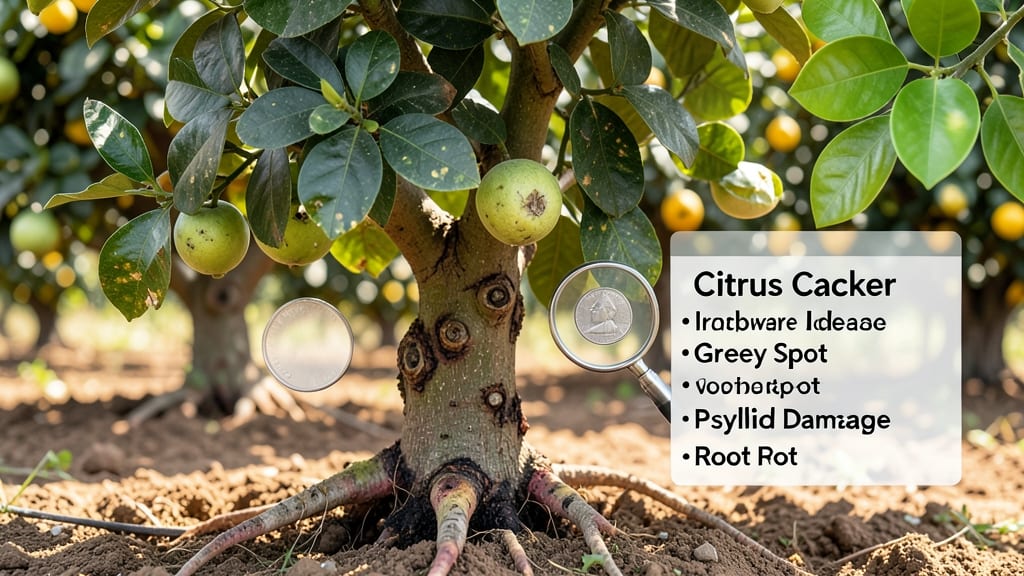
Your lime tree’s sudden yellow leaves or oozing bark might be a fungal blight—and pictures are the fastest way to diagnose it. 🌿 I’ve spent years tracking these diseases, and I’ll show you exactly what to look for, from citrus greening’s telltale leaf mottling to canker’s sunken cracks.
The key is acting fast before the tree’s health spirals. Most fungal diseases start with stress—overwatering, poor drainage, or weak branches. I’ll walk you through how to fix those root causes, not just slap on a fungicide.
Think of it like a doctor’s exam: you need to see the symptoms clearly to prescribe the right treatment. By the end, you’ll spot early signs in seconds and stop the spread before it’s too late. We’re talking saved fruit, stronger growth, and a tree that stays green for years.
Here’s how to become your lime tree’s best detective.
First, we’ll cover the top 5 diseases that attack lime trees, with descriptions so vivid you’ll recognize them instantly. No more guessing whether those spots are harmless or deadly—just a clear, step-by-step visual guide. I’ll even include what healthy leaves look like for comparison.
Then, we’ll tackle solutions: organic sprays, pruning techniques, and soil fixes that actually work. The goal isn’t just to treat the disease but to create an environment where your tree thrives. Think of it as a reset button for your lime tree’s health.
This works for both young saplings and mature trees, whether you’re dealing with a sudden outbreak or just want to prevent future problems. The methods here are tested in real gardens, not just lab conditions. You’ll know exactly what to do—and when to do it—to keep your tree strong.
Root Causes Of Lime Tree Ailments
Understanding why lime trees fall prey to diseases—especially fungal blights—starts with recognizing their vulnerabilities. These trees thrive in warm climates, but their susceptibility to infections stems from a mix of environmental stress, biological weaknesses, and human factors.
Below, we break down the key triggers that turn a healthy lime tree into a battleground for pathogens.
---
Fungal diseases like anthracnose and citrus greasy spot flourish when lime trees are bathed in prolonged moisture.
Here’s why: - High humidity (80%+) creates a perfect breeding ground for fungal spores, which germinate and infect leaves, fruit, and bark. - Poor air circulation (common in dense plantings or overcrowded orchards) traps moisture against foliage, accelerating spore growth. - Rain or overhead irrigation washes spores directly onto leaves, bypassing natural defenses. Pro tip: 💡 Drip irrigation (instead of sprinklers) reduces fungal spread by keeping foliage dry.
Actionable fix: Prune branches to improve airflow and avoid watering in the evening when humidity peaks.
---
Stressed lime trees—whether from drought, nutrient deficiencies, or physical damage—are far more susceptible to diseases.
Common stressors include: - Nitrogen deficiency (yellowing leaves, stunted growth) weakens the tree’s immune response, making it easier for fungi to latch on. - Root damage (from compaction, pests, or poor drainage) disrupts nutrient uptake, leaving the tree vulnerable. - Physical wounds (from pruning cuts, hail, or mechanical injury) create entry points for pathogens like Colletotrichum (cause of anthracnose).
Actionable fix: 🌡️ Monitor soil pH (lime trees prefer 6.0–7.0) and fertilize with balanced NPK (e.g., 10-10-10) in early spring to boost resilience.
---
Ironically, chemical overkill can backfire.
While fungicides like copper-based sprays are effective, excessive or improper use can: - Disrupt beneficial microbes in the soil, reducing the tree’s natural defenses. - Encourage resistant strains of fungi, making future outbreaks harder to control. - Burn foliage if applied during heatwaves or without proper dilution.
Actionable fix: Rotate fungicides (e.g., alternate copper with neem oil or potassium bicarbonate) and apply preventatively (before symptoms appear) rather than reactively.
--- Waterlogged soil is a double-edged sword: it drowns roots (causing root rot) while also promoting fungal growth at the soil surface.
Signs of drainage issues: - Yellowing leaves (even with adequate water). - Mushrooms or mold sprouting near the base of the tree. - Slow growth despite regular fertilization.
Actionable fix: Amend clay-heavy soil with compost or sand and plant lime trees on mounds to improve drainage. Install drainage tiles if water pools after rain.
--- Insects like aphids, scale, and citrus leaf miners don’t just sap nutrients—they damage plant tissue, creating perfect entry points for fungi.
For example: - Aphids excrete honeydew, which fosters sooty mold (a secondary fungal infection). - Citrus psylla spreads huanglongbing (HLB), a bacterial disease that weakens trees, making them prone to fungal attacks.
Actionable fix: Introduce beneficial insects (e.g., ladybugs for aphids) or use horticultural oil to control pests before fungal symptoms appear.
--- Unpredictable weather—like sudden temperature drops or prolonged heatwaves—throws lime trees off balance: - Cold snaps (below 32°F) can kill new growth, leaving the tree vulnerable to opportunistic fungi. - Heat stress (above 95°F) weakens leaves, making them more susceptible to greasy spot or melanose. - Flooding (even once) can introduce Phytophthora root rot, a deadly fungal pathogen.
Actionable fix: Use mulch (2–4 inches of wood chips) to regulate soil temperature and plant windbreaks to protect trees from extreme temperature swings.
--- If you’re grafting or propagating lime trees from infected scions (cuttings), you’re essentially planting the problem.
Fungal spores can hitchhike on: - Contaminated pruning tools (cross-contamination between trees). - Infected nursery stock (symptoms may not appear until the tree is planted). - Poorly sterilized soil in pots or beds.
Actionable fix: 🔪 Sterilize tools with 70% isopropyl alcohol between cuts and inspect nursery trees for lesions before purchase.
--- Key Takeaway: Lime tree diseases rarely strike in isolation—they exploit weaknesses created by environmental stress, poor care, or biological interactions. By addressing these root causes, you can prevent outbreaks before they turn your tree into a fungal buffet. 🍋🛡️
Quick Fixes for Lime Tree Ailments
Reviving your lime tree starts with identifying the right treatment for its specific issue. Below, we’ve mapped out practical solutions for common lime tree diseases—from fungal blights to bacterial infections—along with prevention tips to keep your tree thriving. Think of this as your DIY first-aid kit for ailing lime trees!
---
Fungal infections like anthracnose, powdery mildew, or citrus blight thrive in damp, warm conditions. Here’s how to stop the spread and restore your tree’s health:
#### 🔪 Prune Infected Branches - Step 1: Use sterilized pruning shears (wipe with rubbing alcohol between cuts) to remove all yellowing, brown, or mushy leaves/branches. - Step 2: Cut 6 inches below the visible damage to ensure you’ve removed the entire infected area. - Step 3: Dispose of pruned material in a sealed trash bag—do not compost it!
#### 💦 Apply Fungicide (The Right Way) - Best fungicides for lime trees: - Copper-based sprays (e.g., Copper Soap) – Effective against bacterial and fungal diseases. - Neem oil (1 tsp per quart of water + a drop of dish soap) – Organic and safe for bees when applied at dusk. - Systemic fungicides (e.g., Propiconazole) – For severe cases, follow label instructions precisely. - Spray timing: Apply every 7–14 days during wet seasons (spring/fall) or after pruning.
#### 🌡️ Improve Airflow & Reduce Moisture - Thin out dense foliage to allow sunlight and air to circulate. - Water at the base (avoid overhead sprinkling) and mulch (2–3 inches of wood chips) to keep roots dry. - 💡 Pro Tip: Space lime trees 10–15 feet apart to prevent future fungal outbreaks.
---
Bacterial infections (like citrus bacterial spot) spread rapidly. Act fast with these steps:
#### 🧼 Sterilize Tools & Workspace - Wash hands, tools, and containers with bleach solution (1 part bleach to 9 parts water) before and after pruning. - Avoid pruning during rainy weather—bacteria spread via water droplets.
#### 🚫 Remove & Destroy Infected Parts - Burn or bag (double-bag) all infected leaves, fruits, and branches—do not leave them in the yard. - Do not compost—bacteria can survive and reinfect.
#### 💊 Use Copper-Based Bactericides - Best options: - Copper hydroxide (e.g., Kocide 3000) - Copper octanoate (e.g., Badge X2) - Apply every 2–3 weeks during active growth (spring/summer).
#### 🌿 Boost Tree Resilience - Fertilize with citrus-specific nutrients (high in nitrogen and micronutrients like zinc/manganese). - 💡 Pro Tip: Avoid overwatering—bacterial spores love soggy soil!
---
Pests like aphids, scale, or citrus leaf miners weaken trees, making them vulnerable to diseases. Here’s how to kick them out:
#### 🕷️ Manual Removal (For Small Infestations) - Aphids/Scale: Spray with soapy water (1 tsp mild dish soap + 1 quart water) and wipe off pests with a damp cloth. - Leaf Miners: Handpick affected leaves and drop them into soapy water.
#### 🎯 Use Insecticidal Soap or Oil - Best for soft-bodied pests (aphids, mites): - Insecticidal soap (e.g., Safer® Brand Insect Killing Soap). - Horticultural oil (apply in early morning/late evening to avoid burning foliage). - Reapply every 5–7 days until pests are gone.
#### 🪰 Set Up Traps & Barriers - Yellow sticky traps for whiteflies and leaf miners. - Reflective mulch (aluminum foil) around the base deters some pests. - 💡 Pro Tip: Ladybugs and lacewings are natural predators—encourage them with dill or fennel plants nearby!
---
An ounce of prevention is worth a pound of cure! Follow these year-round habits to minimize risks:
| Prevention Step | How to Do It | When to Do It | |---------------------------|------------------------------------------|---------------------------------| | Prune regularly | Remove dead/diseased branches 3x/year. | Late winter, early spring, fall | | Test soil pH | Aim for 6.0–7.0 (lime trees prefer slightly acidic). | Before planting/every 2 years | | Water deeply but less often | 1–2 inches per week (deep soak, not frequent light watering). | Early morning (avoid evenings). | | Apply mulch | 2–3 inches of wood chips (keep 6" from trunk). | Spring/fall. | | Monitor for early signs | Check undersides of leaves weekly for spots, discoloration, or pests. | Year-round (especially after rain). | | Rotate fungicides | Alternate between copper, neem, and sulfur-based sprays to prevent resistance. | Spring/fall (before blooming). |
--- 🎯 Final Reminder: Act fast—the sooner you treat a disease or pest issue, the better your lime tree’s chances of recovery! If in doubt, consult a local arborist or citrus extension service for tailored advice.
Frequently asked questions
What are the most common signs my lime tree has a fungal disease?
Look for dark, greasy spots on leaves (like citrus blight), powdery white coatings (mildew), or sunken, oozing cankers on branches. Leaves may also yellow, curl, or drop prematurely. Check both leaf tops and undersides—fungi often start on the underside before spreading.
Can I use the same fungicide for all lime tree diseases?
No—fungicides vary by disease type. For bacterial issues (like citrus bacterial spot), use copper-based sprays (e.g., Kocide). For fungal infections (anthracnose, greasy spot), try neem oil or potassium bicarbonate. Always rotate treatments to prevent resistance.
How do I tell if my lime tree’s yellow leaves are from disease or just nutrient deficiency?
Disease-related yellowing often comes with spots, lesions, or unusual patterns (e.g., mottling). Nutrient issues (like nitrogen deficiency) cause uniform yellowing starting with older leaves. Check the soil—if it’s dry or compacted, the problem is likely water/root-related, not fungal.
Is it safe to compost leaves from a diseased lime tree?
Never compost infected leaves or branches—they can spread spores and reinfect your garden. Seal diseased plant material in a double-bagged trash bag and dispose of it in yard waste. Sterilize pruning tools with 70% alcohol between cuts to prevent cross-contamination.
How often should I inspect my lime tree for early disease signs?
Check your tree weekly during growing seasons (spring/fall) and biweekly in summer. Focus on new growth, leaf undersides, and bark cracks—these are hotspots for early fungal/bacterial activity. Morning inspections work best when foliage is dry.