
Pruning
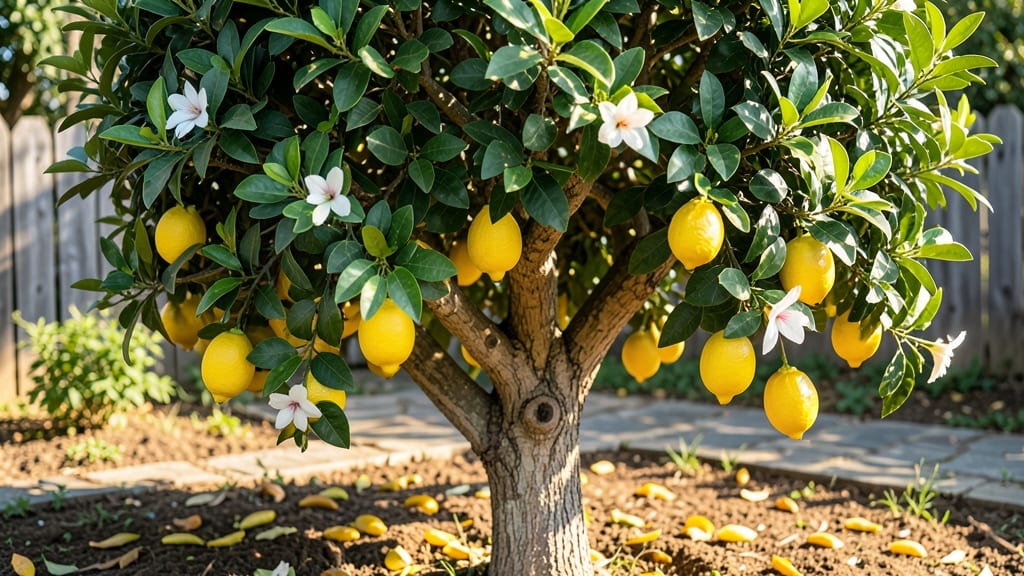
A large lemon tree 🍋 can reach towering heights of 25 feet—but that doesn’t mean it has to take over your yard or sacrifice fruit production.
Picture this: your once-manageable citrus tree now sprawls wildly, its branches heavy with lemons but nearly impossible to reach. The good news? With the right pruning techniques, you can control its height, encourage more fruit, and keep it looking neat—without sacrificing that coveted harvest.
Whether you’re growing your lemon tree in a container or in the ground, understanding when and how to prune is the key to maintaining its size while maximizing those juicy lemons.
Below, I’ll walk you through the best methods to shape your tree, boost fruit production, and keep it thriving year-round.
From seasonal adjustments to tool recommendations, you’ll learn how to transform your overgrown lemon tree into a productive powerhouse—one that’s as easy to care for as it is to enjoy.
How to prune a large lemon tree for controlled height and shape
Pruning your large lemon tree isn't just about keeping it from towering over your backyard—it's about boosting fruit production and maintaining its health. When done correctly, strategic pruning encourages airflow and sunlight penetration, which are essential for lemon tree flowering and fruit development.
The key is timing, technique, and knowing which branches to prioritize.
Many gardeners make the mistake of pruning at the wrong time or cutting too aggressively, which can stress the tree and reduce your harvest. I’ve learned through years of trial and error that selective pruning in late winter or early spring yields the best results.
This approach ensures your lemon tree enters its growing season with the energy it needs to produce abundant fruit while staying within your desired height limits.
Before grabbing your pruners, gather the right tools: sharp bypass pruners for clean cuts, a pruning saw for thicker branches, and disinfectant to prevent disease spread. Safety is key—wear gloves and have a bucket or tarp ready to collect debris.
With the right preparation, you’ll transform your lemon tree from a wild, unruly giant into a well-shaped, productive powerhouse.
Step-by-Step Pruning Guide for Large Lemon Trees
-
Step 1: Assess the Tree
Examine your lemon tree for dead, diseased, or crossing branches. Remove these first to improve airflow and reduce disease risk. -
Step 2: Identify Target Branches
Focus on suckers (shoots growing from the base) and overlapping branches. These compete for nutrients and can stifle fruit production. -
Step 3: Prune for Shape
Use the open-center shape method: cut back 1/3 of the oldest branches to encourage new growth. Aim for a rounded canopy to maximize sunlight exposure. -
Step 4: Thin Out Dense Areas
Remove up to 20% of the foliage in dense areas to reduce humidity and prevent fungal diseases like citrus blight. -
Step 5: Cut at the Right Angle
Make cuts just above a leaf node (the bump where leaves grow) at a 45-degree angle. Avoid leaving stubs, which can invite pests. -
Step 6: Clean Up and Disinfect
Remove all pruned branches from the area and sterilize tools with rubbing alcohol to prevent cross-contamination of diseases.
One of the most common mistakes I see is over-pruning in a single session. Lemon trees are sensitive to drastic changes, and removing too much foliage at once can shock the tree and reduce fruit set.
Instead, spread your pruning over 2-3 sessions if needed, especially for mature trees. This gradual approach allows the tree to adjust and recover without stress.
Timing is everything when it comes to pruning lemon trees. The ideal window is late winter or early spring, just as the tree begins to break dormancy. Avoid pruning in summer or fall, as this can delay flowering and reduce the next year’s harvest.
If you must prune outside this window, do so lightly to minimize stress.
Another critical tip is to avoid pruning during wet conditions. Damp branches are more susceptible to bacterial infections, which can spread quickly through your lemon tree. Always prune on a dry, sunny day to ensure clean cuts and faster healing.
After pruning, give your tree a deep watering to help it recover and reduce transplant shock.
For container-grown lemon trees, pruning is even more important to control height and shape. Since containers limit root growth, pruning helps redirect energy toward fruit production rather than excessive foliage.
Use the same techniques as for in-ground trees, but be extra cautious with root-bound trees, as they’re more sensitive to stress.
Finally, don’t forget to monitor your tree after pruning. Watch for signs of new growth, such as fresh leaves or buds, which indicate the tree is recovering well. If you notice yellowing leaves or dropping fruit, it may be a sign of over-pruning or nutrient deficiency.
In this case, adjust your approach and consider adding a balanced fertilizer to support recovery.
With these techniques, your large lemon tree will stay manageable, healthy, and productive for years to come. Happy pruning—and enjoy that year-round harvest! 🍋
Best pruning techniques to boost lemon tree fruit production
Did you know your lemon tree can produce 30% more fruit with strategic pruning? The key lies in understanding how selective cuts stimulate flowering and fruiting. Lemon trees thrive when you encourage open canopies and vigorous new growth, both of which directly impact fruit production.
By removing overcrowded branches and dead wood, you redirect the tree's energy toward producing more lemons instead of excessive foliage.
Science shows that citrus trees like lemons respond best to pruning during their dormant season (late winter) and early spring, just before new growth begins. This timing ensures the tree isn't stressed during critical flowering periods.
However, light pruning can also be done after harvest to maintain shape and encourage another round of blooms—especially in warmer climates where lemons can fruit year-round.
🌱 5 Science-Backed Pruning Techniques for Lemon Trees
- 🌿 Selective Branch Removal: Cut back overlapping branches to improve air circulation and sunlight penetration, which boosts fruit set.
- ✂️ Heading Back: Trim tips of branches to encourage lateral growth where flowers form—ideal for fruit-bearing zones.
- 🌱 Air Layering: Propagate new growth by girdling branches and applying rooting hormone to stimulate fruit-producing branches.
- 📅 Seasonal Schedule: Prune heavily in late winter and lightly after harvest to maintain productivity without stressing the tree.
- 🌡️ Temperature Timing: Avoid pruning during heatwaves or cold snaps—aim for 60-75°F for optimal healing.
One of the most effective methods is selective branch removal, where you target branches that are rubbing against each other or growing inward. These branches compete for sunlight and nutrients, reducing overall fruit production.
By removing them, you create an open canopy that allows sunlight to reach the center of the tree—where most flowers and fruit develop.
For large lemon trees that have outgrown their space, focus on structural pruning to maintain a manageable height while preserving fruit-bearing branches. Never remove more than 25% of the canopy in a single session, as this can shock the tree and reduce flowering.
Instead, spread pruning efforts over 2-3 sessions during the dormant season for best results.
After pruning, apply a balanced citrus fertilizer (6-6-6 NPK ratio) to replenish nutrients lost during cutting. This step is crucial for encouraging new growth and supporting flower production.
Pair it with a mulch layer around the base to retain moisture and regulate soil temperature—both of which contribute to a healthier, more productive tree.
Remember, the goal is to balance growth and fruit production. With these techniques, your lemon tree will reward you with a bountiful harvest year after year—while staying manageable in size. Happy pruning! 🍋