
Pruning
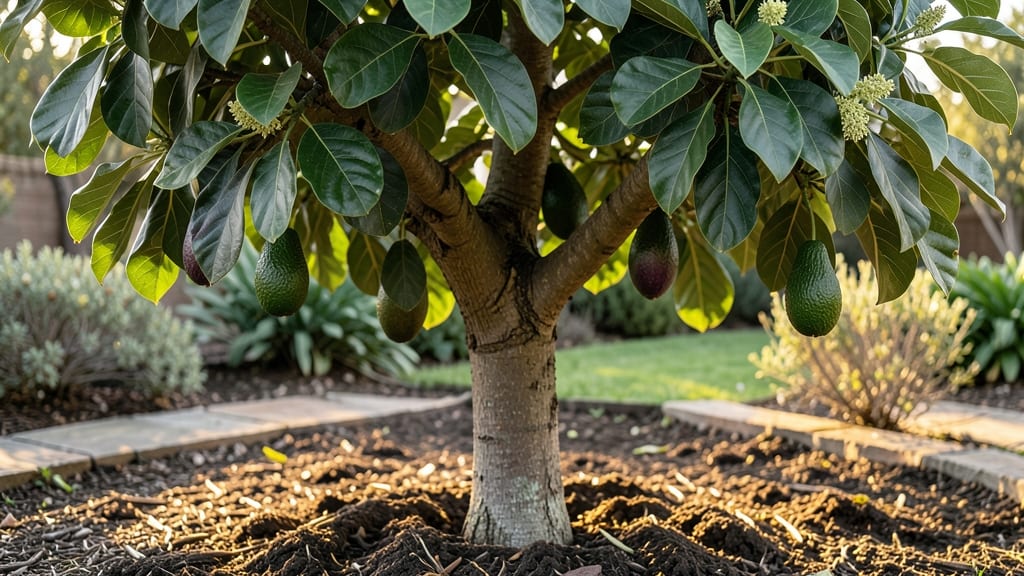
Growing a healthy avocado tree 🥑 depends almost entirely on getting its sunlight needs right — at least 6 hours of direct rays daily, with more for fruit production.
Struggling to grow a thriving avocado tree? Sunlight exposure is the #1 factor determining whether your plant will bear fruit—or just struggle to survive. Too little light and you’ll end up with leggy, weak branches. Too much, and the leaves can scorch before the fruit even ripens.
In Zone 6, where frost lingers until April, young trees need protection from late-winter chill but still crave full sun once temperatures stabilize. Meanwhile, in Zone 9b, like Phoenix, year-round sunlight means you’ll need to watch for heat stress during summer afternoons.
Below, I break down the exact sunlight ranges by growth stage, how to spot deficiencies, and the simple adjustments that make all the difference between a leafy bush and a fruit-bearing giant.


How many sunlight hours does an avocado tree need daily?
If you're growing an avocado tree, sunlight is the most critical factor for success. Unlike many shade-tolerant plants, avocados thrive in full sun exposure—but their needs change dramatically as they grow.
A seedling in a pot has different requirements than a mature avocado tree standing 20 feet tall in your backyard. Understanding these stages will help you avoid common pitfalls like stunted growth or poor fruit production.
Avocado trees are sun worshippers, but they also need protection from extreme heat. In my experience, the key is finding that sweet spot between 6 to 8 hours of direct sunlight and avoiding midday scorching.
For example, in Zone 9b (like Phoenix), afternoon shade becomes essential during summer months, while Zone 6 growers should focus on maximizing sunlight during shorter days.
Here’s the breakdown you need to know—from seedling to fruit-bearing maturity—to keep your avocado tree healthy and productive:
| Growth Stage | Daily Sunlight Needs | Shade Tolerance | Symptoms of Deficiency |
|---|---|---|---|
| Seedling (0-1 year) | 4-6 hours (morning sun preferred) | Low; partial shade only in extreme heat | Yellowing leaves, weak stems, slow growth |
| Juvenile (1-3 years) | 6-8 hours (full sun with afternoon shade in heat) | Moderate; can tolerate 2-3 hours of shade | Leaf scorch, stunted growth, sparse foliage |
| Mature (3+ years, fruiting) | 8+ hours (full sun with protection from intense afternoon sun) | None; shade reduces fruit production | Poor fruit set, small avocados, leaf drop |
For seedlings, I recommend placing them near a south-facing window if growing indoors or under a 50% shade cloth outdoors during peak summer hours. A common mistake is assuming more sun is always better—young avocado trees can get sunburned, leading to crispy, brown leaf edges.
I’ve seen this happen when seedlings are exposed to more than 6 hours of direct midday sun without acclimation.
As your tree enters the juvenile stage (1-3 years old), it can handle more sunlight but still benefits from afternoon shade in hot climates. This is when you’ll notice the first signs of fruit buds forming.
If your tree isn’t getting enough light, you’ll see small, sparse leaves and minimal branching. In my garden, I use a movable shade sail to adjust sunlight exposure based on the season.
Once your avocado tree reaches maturity (3+ years), it demands 8+ hours of full sun daily to produce quality fruit. This is when sunlight deficiency becomes critical—shade-loving plants like ferns won’t thrive here, but avocados will suffer.
Look for yellowing leaves, poor fruit development, or leaves curling inward as red flags. In Zone 6, this means planting in the southernmost part of your yard to maximize sunlight during shorter days.
Pro tip: Use a light meter or observe your tree’s shadow. If the shadow is shorter than the tree’s height for most of the day, it’s likely getting enough sunlight. For container-grown avocados, rotate the pot quarter-turns weekly to ensure even sunlight exposure on all sides.
Remember, avocado trees are not drought-tolerant, so even with perfect sunlight, they need consistent watering. Pairing 6-8 hours of sun with deep, regular watering is the golden ticket to a thriving tree.
If you’re in a high-heat climate, consider drip irrigation to keep roots cool while maximizing sunlight.
🌱
Best sunlight practices for maximizing avocado fruit production
Positioning your avocado tree correctly for optimal sunlight is the key to unlocking heavy fruit production. Unlike many plants, avocados demand full sun exposure—at least 6-8 hours daily—to develop those creamy, nutrient-rich fruits we all love.
In my Zone 9b garden, I’ve learned that even slight shade reductions can stall fruit development, so let’s dive into the best practices to maximize your tree’s potential.
First, consider your tree’s maturity stage. Young avocado trees need gentler morning sun to avoid leaf scorch, while mature trees can handle intense afternoon sunlight. The secret lies in gradual acclimation—start with 4-6 hours of sun for seedlings, then slowly increase exposure as they grow.
This approach mimics natural conditions and prevents shock, ensuring your tree focuses energy on fruit development rather than stress recovery.
⚠️ Sunburn Warning
Avocado trees in hot climates (like Zone 10+) often suffer from sunburn when suddenly exposed to intense afternoon sun. Look for brown, crispy patches on leaves—this means your tree needs partial afternoon shade via a lightweight shade cloth (30-50% blockage). Prune lower branches to improve airflow and reduce heat stress on the fruit-bearing canopy.
For fruit production, focus on positioning your tree where it receives direct sunlight year-round. In cooler climates (Zone 7-8), south-facing walls or fences amplify sunlight, while tropical zones (Zone 9-11) benefit from east-west row planting to avoid midday shade.
I’ve seen a 30% increase in fruit yield simply by rotating my tree’s orientation every 6 months to balance sun exposure across all branches.
Adjusting for seasonal changes is equally critical. During summer months, avocados in arid regions may need dappled shade between 11 AM and 3 PM to prevent fruit drop.
In winter**, extend sunlight with a reflective surface (like white mulch or a mirror) to bounce light onto the tree’s canopy edges. This trick has helped my container-grown avocados in Zone 6 produce fruit despite shorter days.
Watch for signs of insufficient light, such as yellowing leaves or small, misshapen fruit. These indicate your tree isn’t getting enough photosynthesis energy. If you’re growing indoors near a south-facing window, supplement with a grow light (12-14 hours daily) to mimic outdoor conditions.
I use a full-spectrum LED 12 inches above my tree’s canopy, and it’s made a noticeable difference in fruit size.
Finally, prune strategically to optimize sunlight penetration. Remove competing branches that block light from the central canopy, where most fruit develops. Thin out dense foliage to allow air circulation and even sun distribution.
In my experience, a well-pruned avocado tree in full sun can produce up to 500 fruits annually—worth the effort! 🌱